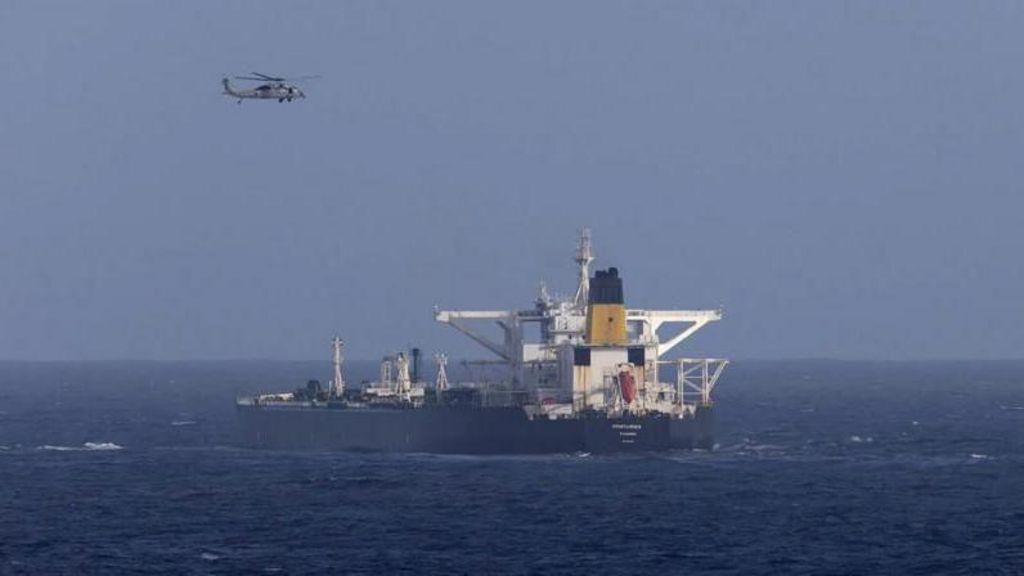
The United States Coast Guard initiated an active pursuit of another oil tanker in international waters near Venezuela on Sunday, marking the latest escalation in a series of maritime confrontations between the two nations. This development follows Saturday’s seizure of a Panamanian-flagged vessel by U.S. authorities—the second such intervention this month—as part of Washington’s intensified enforcement of sanctions against Venezuela’s state oil company PDVSA.
According to U.S. officials speaking to CBS News, the targeted vessel represents a ‘sanctioned dark fleet vessel’ engaged in Venezuela’s ‘illegal sanctions evasion’ operations, allegedly flying false flags while under judicial seizure orders. The Trump administration has justified these actions by accusing Venezuela of utilizing oil revenues to fund drug-related criminal activities, though no public evidence has been provided regarding alleged drug smuggling operations.
Venezuela’s government, presiding over the world’s largest proven oil reserves, has vehemently denounced these interdictions as ‘theft and kidnapping’ of national resources. In response to Saturday’s incident, Caracas announced intentions to file formal complaints with the UN Security Council and various multilateral agencies, warning that ‘these acts will not go unpunished.’
Maritime monitoring data from TankerTrackers.com reveals the scale of this confrontation: as of last week, more than 30 of the 80 ships in Venezuelan waters or approaching the country were under U.S. sanctions. The vessel seized on Saturday, while not explicitly listed on the U.S. Treasury’s sanctioned vessels list, was reportedly carrying ‘sanctioned PDVSA oil’ and had previously sailed under Greek and Liberian flags according to shipping records reviewed by BBC Verify.
This maritime crisis unfolds alongside increased U.S. military presence in the Caribbean Sea, where American forces have conducted deadly strikes on alleged Venezuelan drug-smuggling boats resulting in approximately 100 casualties. These military actions face growing congressional scrutiny due to the absence of publicly disclosed evidence connecting targeted vessels to drug trafficking.
The Trump administration has further escalated tensions by accusing Venezuelan President Nicolás Maduro of leading a designated terrorist organization called Cartel de los Soles—an allegation Maduro consistently denies. With Venezuela’s government heavily dependent on oil export revenues for public financing, these maritime interdictions strike at the core of the nation’s economic stability amid ongoing political and humanitarian crises.