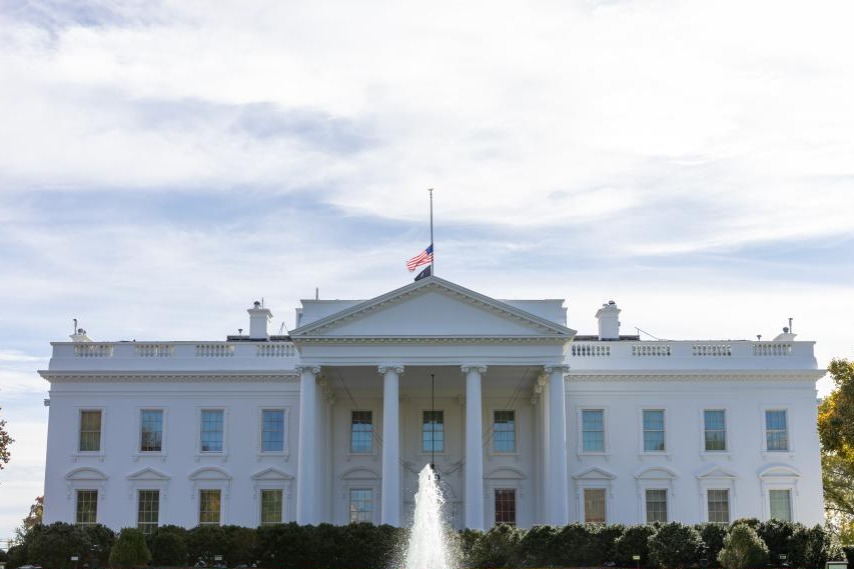
The United States has officially entered its 36th day of a federal government shutdown, marking the longest such closure in the nation’s history. The shutdown surpassed the previous record of 35 days set during the 2018-2019 impasse. Despite repeated attempts by the Senate to pass a short-term funding bill, partisan gridlock persists, with both Republicans and Democrats refusing to compromise. House Minority Leader Hakeem Jeffries criticized Republicans for their stance on Affordable Care Act tax credits, while House Speaker Mike Johnson accused Democrats of prioritizing political retribution over governance. The prolonged shutdown has had widespread consequences, affecting aviation safety, food assistance programs, and federal employees’ livelihoods. Transportation Secretary Sean Duffy warned of potential flight cancellations and airspace closures if air traffic controllers remain unpaid. Meanwhile, millions relying on food assistance face uncertainty as emergency funds are only partially distributed. Over 1 million federal employees have gone without pay, and the lack of key economic data has heightened uncertainty. The Congressional Budget Office estimates significant economic losses, with public approval of Congress plummeting to 15%. Polls indicate widespread dissatisfaction with both parties, as Americans increasingly feel disconnected from their leaders.