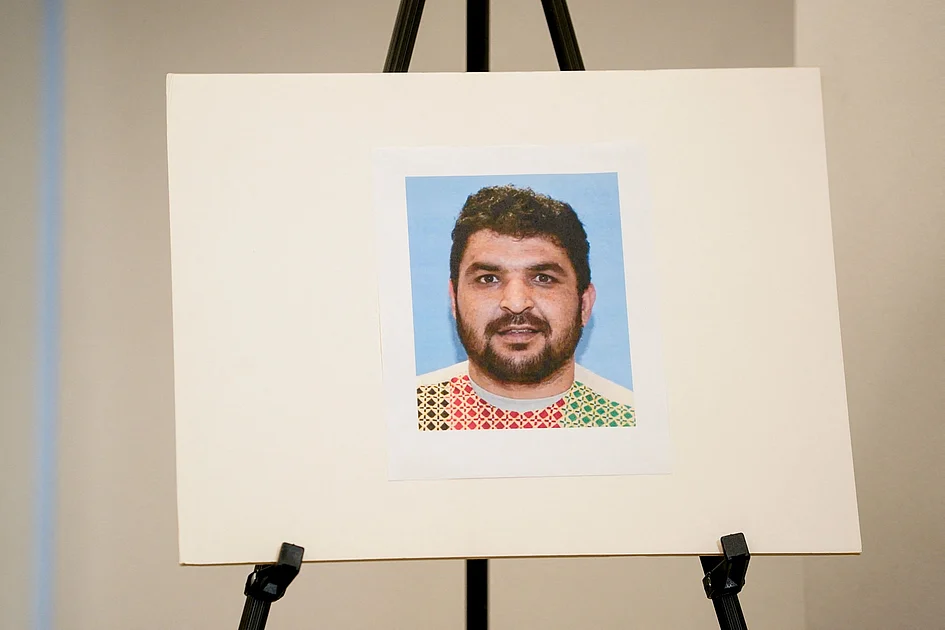
United States authorities have identified the suspect in Wednesday’s shooting of two National Guard soldiers near the White House as an Afghan national who previously collaborated with American forces during the Afghanistan conflict. Multiple media sources including CNN, The New York Times, and NBC have identified the individual as 29-year-old Rahmanullah Lakanwal, who entered the United States in September 2021 under Operation Allies Welcome.
The Department of Homeland Security, under Secretary Kristi Noem, confirmed the suspect arrived during the mass evacuation following the Taliban’s takeover of Kabul. Lakanwal reportedly served for a decade in the Afghan military, including assignments supporting US Special Forces operations in Kandahar province—the Taliban’s historical stronghold and a center of intense combat during the twenty-year conflict.
In response to the incident, which officials have categorized as an ‘act of terror,’ Washington announced enhanced monitoring protocols for Afghan evacuees admitted through the emergency resettlement program. The administration revealed plans for increased oversight of the approximately 190,000 Afghans brought to the United States since the Taliban takeover.
Operation Allies Welcome, later rebranded as Enduring Welcome in September 2022, was established to provide refuge for Afghans who faced retaliation risks due to their association with US forces. The program included Special Immigrant Visa (SIV) eligibility for those who directly supported US military and civilian personnel, though authorities have not confirmed whether Lakanwal received SIV status.
The shooting has reignited debate about the vetting processes applied during the emergency evacuation, which involved multiple security agencies including the FBI and National Counterterrorism Center. While all evacuees underwent security screening, this incident has prompted calls for reevaluation of ongoing monitoring procedures for resettled individuals.
The attack occurs amid continued challenges in relocating remaining Afghan allies, with advocacy groups estimating tens of thousands of eligible individuals still await processing. Recent immigration policy changes have further complicated these efforts, creating additional hurdles for family reunification and refugee admissions.