A significant dispute has erupted between U.S. lawmakers and the Department of Justice (DOJ) regarding the handling of documents related to convicted sex offender Jeffrey Epstein. Congressional representatives from both parties are alleging that the DOJ has improperly redacted critical information from approximately three million pages of evidence released under the Epstein Files Transparency Act (EFTA).
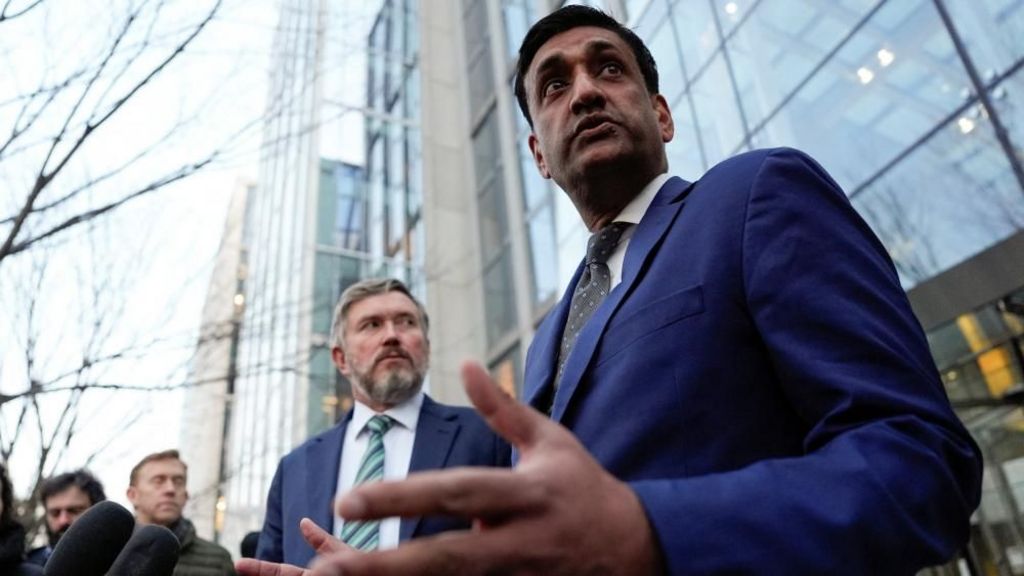
Democratic Representative Ro Khanna and Republican Representative Thomas Massie, co-sponsors of the EFTA legislation, revealed they discovered approximately twenty individuals whose names were entirely concealed in the documents, with only Epstein and his convicted associate Ghislaine Maxwell remaining visible. Massie stated that six of these redacted names potentially belong to individuals “likely incriminated by their inclusion in these files.”
The controversy intensified when lawmakers examined unredacted versions of the documents in a secure DOJ facility. They reported that the FBI under the Trump administration had initially processed these redactions in March, before the documents reached the current DOJ leadership. This sequence contradicts the EFTA’s requirement that the FBI—as a component of the DOJ—should have removed redactions before transmitting files to Deputy Attorney General Todd Blanche and Attorney General Pam Bondi’s office.
In response to congressional pressure, the DOJ has begun reversing some redactions. Blanche announced via social media that his department had “unredacted all non-victim names from this document” and maintained that “DOJ is committed to transparency.” He disclosed that one document now shows only two concealed names, both belonging to Epstein victims whose identities the EFTA mandates protecting.
The viewing process itself has drawn criticism from lawmakers. Representative Jamie Raskin characterized the arrangement—providing only four computers in a satellite office for reviewing three million documents—as effectively a “cover up,” estimating it would take Congress seven years to thoroughly examine all materials.
The situation gained additional urgency last week when lawyers for Epstein’s victims reported that recently released files contained improperly redacted email addresses and nude photographs that could identify potential victims. Survivors issued statements condemning the disclosure as “outrageous” and expressed distress at being “named, scrutinized and retraumatized.” The DOJ acknowledged these errors resulted from “technical or human error” and removed the flagged files.
Despite these adjustments, Khanna maintains that post-release corrections still violate the EFTA, which passed with nearly unanimous congressional support and was signed by President Trump in November. He demands complete transparency: “They need to unscrub the FBI files so we know who the rich and powerful men are who raped underage girls.”