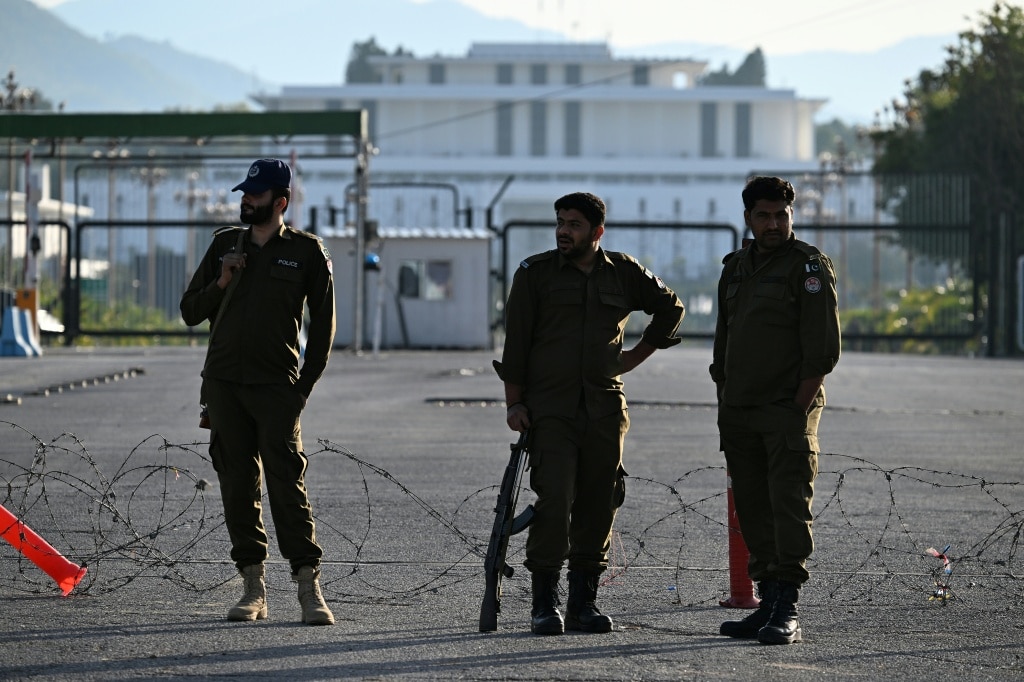
High-stakes negotiations between the United States and Iran aimed at ending the months-long Middle East conflict concluded without a binding agreement on Sunday, though the temporary ceasefire that has calmed the region for two weeks has so far held, keeping immediate hopes for de-escalation alive. The talks, hosted in Islamabad, Pakistan, marked the highest-level direct engagement between the two nations since Iran’s 1979 Islamic Revolution, bringing senior delegations from both sides to the table after weeks of open warfare that shook global energy markets.
US Vice President JD Vance departed Pakistan following the 21-hour marathon meeting, carrying with him Washington’s self-described “final and best offer” for a peace settlement. “We leave here with a very simple proposal,” Vance told reporters. “We’ll see if the Iranians accept it.” In response, Iranian Parliament Speaker Mohammad Bagher Ghalibaf noted that Tehran’s negotiating team had put forward “constructive initiatives” during the round, but ultimately the American side failed to earn the trust of Iranian negotiators.
The breakdown of the talks has stoked widespread international anxiety: a resumption of full-scale hostilities could send global energy prices soaring once again and cause further damage to critical Gulf shipping lanes and oil and gas infrastructure. Even so, there were small signs of incremental progress on energy stability over the weekend. Saudi Arabia’s energy ministry announced that its key east-west oil pipeline, damaged in earlier strikes during the conflict, has been fully restored to service. Qatar’s transport ministry also moved to lift a subset of restrictions on Gulf shipping, easing some of the supply chain disruptions that have rippled across global markets since the war began in late February.
As the host of the negotiations, Pakistan has committed to continuing its role as a neutral mediator. Pakistani Foreign Minister Ishaq Dar emphasized the urgency of upholding the existing truce, saying “It is imperative that the parties continue to uphold their commitment to ceasefire.”
According to a report from Axios, citing an anonymous source briefed on the closed-door negotiations, core sticking points that derailed the deal included Iran’s demand for full control over the Strait of Hormuz and its refusal to dismantle its existing enriched uranium stockpile. The strategic waterway carries roughly one-fifth of the world’s daily oil supplies, and Iran closed the strait to most commercial traffic after the war began, a move that sent crude prices spiking immediately.
International reaction to the failed talks has been measured. UK Health Minister Wes Streeting, speaking on behalf of the British government, told Sky News that while the outcome was disappointing, diplomatic efforts remain worth pursuing. “That doesn’t mean there isn’t merit in continuing to try,” Streeting said.
The current conflict erupted on February 28, when the United States and Israel launched a coordinated strike on Iranian targets that killed Iran’s long-serving supreme leader Ali Khamenei. Tehran responded with retaliatory attacks, plunging the entire region into open conflict and sending shockwaves through the global economy. Before the Islamabad talks, Washington ramped up pressure on Tehran by announcing it had deployed minesweeping warships through the Strait of Hormuz to clear the waterway. On Saturday, the US military confirmed two Navy warships had completed the transit to begin mine clearing operations, framing the move as an effort to secure a “safe pathway” for commercial tankers.
Iranian military officials have rejected the US account, denying any American warships entered Iranian territorial waters in the strait and threatening a full military response if any US vessels enter the waterway. The Iranian Revolutionary Guards’ Naval Command clarified that the promise of safe passage during the two-week ceasefire only extends to “civilian vessels under specific conditions.”
Deep mistrust has defined the negotiations from the start, with decades of hostility between the two nations compounded by the sudden outbreak of war in late February. Notably, the US delegation included Jared Kushner, former President Donald Trump’s son-in-law, and Steve Witkoff, a New York real estate developer with longstanding personal ties to Trump. The pair had been in secret negotiations with Iranian officials in early February, just weeks before the US-Israeli strike that began the war.
Tehran’s core demands for a final peace deal include the full unfreezing of Iranian assets blocked by international sanctions, an end to Israel’s ongoing military campaign against Hezbollah in Lebanon, and a resolution of the dispute over control of the Strait of Hormuz. Throughout the conflict, Iran has used its control of the strait to exert global economic leverage, driving up fuel prices in the United States and piling political pressure on the Trump administration.
A separate complicating factor to regional peace is the ongoing violence in Lebanon, where Israeli forces have continued their offensive against Hezbollah, the Iranian-backed armed movement, despite the broader Gulf ceasefire. Israeli officials have explicitly stated the truce does not apply to Lebanon, where the Israeli military has launched both air strikes and a ground incursion in response to ongoing rocket fire from Hezbollah.
On Saturday, Lebanese health authorities reported that 18 people were killed in new Israeli strikes across southern Lebanon, pushing the total death toll from Israeli operations in the country past 2,000 since the war began. Israeli-Palestinian talks focused on reaching a separate peace deal for Lebanon are scheduled to begin next week in Washington. Israeli Prime Minister Benjamin Netanyahu said Saturday that he aims to secure a peace agreement with Lebanon that “will last for generations,” though Israel has ruled out a temporary ceasefire with Hezbollah, choosing instead to continue military pressure on Lebanon’s fragile central government.