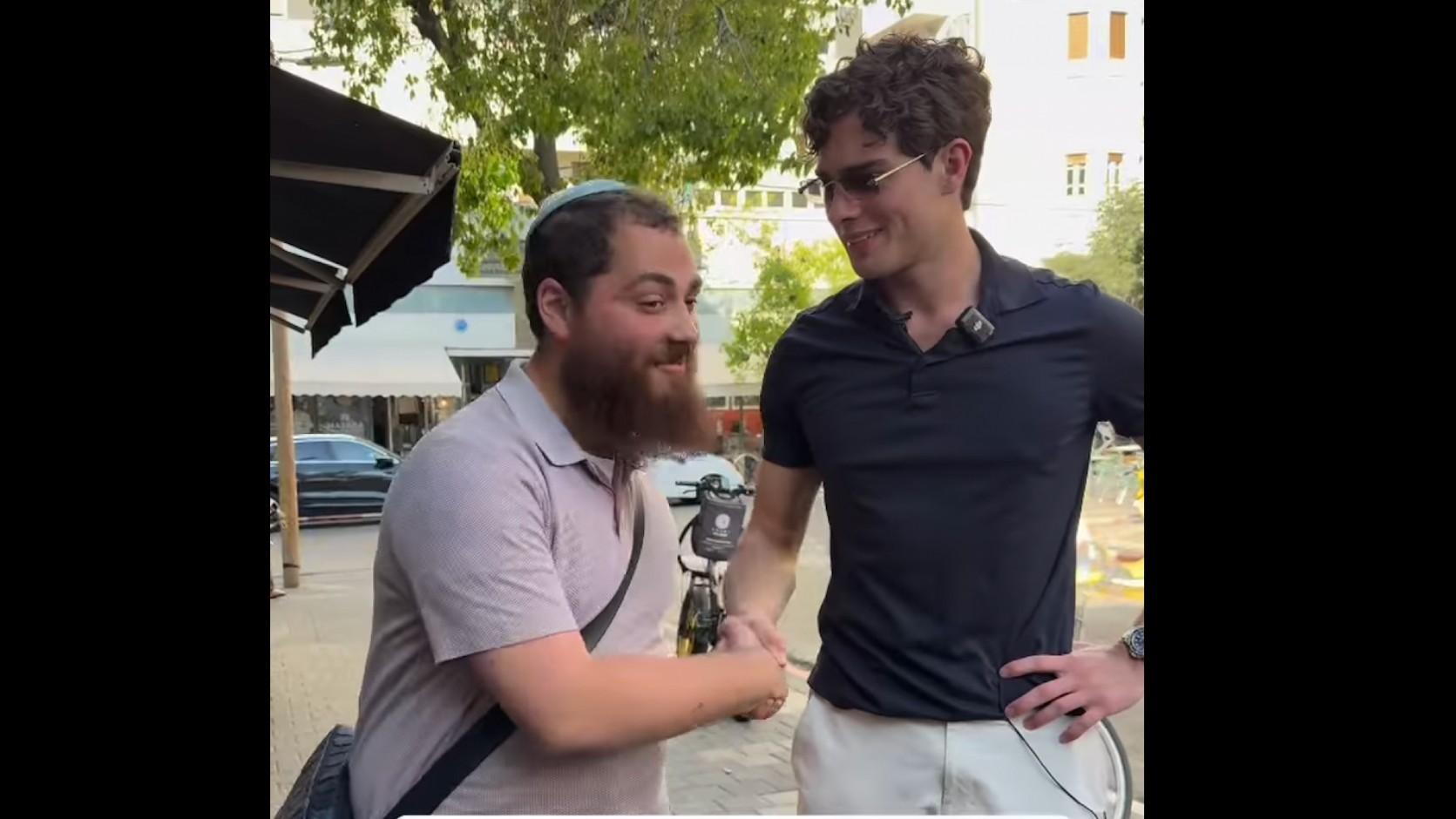
A high-stakes coordinated public relations gambit aimed at boosting Israel’s battered global image and rehabilitating a controversial American influencer’s tarnished reputation has devolved into a public embarrassment for all parties involved, ending with an Israeli military spokesperson reassigned and the influencer expelled from venues across the country. The scheme centered on Braden Eric Peters, better known by his online alias Clavicular, a leading voice in the polarizing “looksmaxxing” subculture—an online movement where young men pursue drastic physical changes to outcompete other men in perceived attractiveness. What began as a carefully planned outreach to win over younger, online audiences for Israel amid widespread global backlash over its military campaign in Gaza collapsed into chaos in just days.
Peters’ brand of looksmaxxing has drawn widespread condemnation for promoting harmful practices. While some adherents stick to conventional grooming and bodybuilding, community leaders including Clavicular have popularized far more dangerous tactics, from unregulated performance-enhancing drug use to “bone-smashing” — the deliberate striking of the jaw, sometimes with heavy tools like hammers, in an attempt to reshape facial structure. The movement’s core end goal is “framemogging,” a slang term for appearing more physically attractive than rivals in photos and online content, a pursuit that has garnered Clavicular millions of followers across major social platforms in recent years.
But Clavicular’s rise to fame has been marred by repeated scandal tied to antisemitic rhetoric and associations with far-right extremists. Most notably, in January 2024, he was filmed singing along to Kanye West’s widely banned explicitly Nazi-aligned song *Heil Hitler* during a nightclub gathering in Miami that also included misogynistic influencer Andrew Tate and prominent white nationalist Nick Fuentes. The incident sparked widespread outrage from Jewish organizations globally, and cost Clavicular significant support among many online audiences. A second high-profile setback came in early 2026, when he became the target of viral mockery after being “framemogged” by a little-known college fraternity leader from Arizona State University, further eroding his online brand.
Against this backdrop, Israeli outreach leaders framed a visit from Clavicular as a win-win. For Israel, which has seen global public opinion plummet amid accusations of war crimes in Gaza and the occupied West Bank—an April 2026 poll found 60 percent of U.S. adults hold an unfavorable view of the country, with negative sentiment particularly pronounced among young people—winning the endorsement of a massive online influencer was seen as a way to claw back support among Generation Z and millennial audiences. For Clavicular, the visit was meant to repair his reputation with Jewish communities after the 2024 Nazi sing-along scandal. The trip was publicly championed by Rabbi Yossi Farro, a New York-based Hasidic leader affiliated with the Chabad-Lubavitch movement, which has long documented ties to hardline Israeli settler politics in occupied Palestinian territory. Farro personally courted Clavicular, documented the visit on his public Instagram, and even made several outlandish gestures: he gifted the influencer a custom necklace that merged the OpenAI logo with the Star of David, and claimed in a post that the biblical figure Joseph was history’s first looksmaxxer. Right-wing pro-Israel outlet *The Free Press* celebrated the trip, coining the term “Israelmaxxing” and framing the visit as a fun, casual moment of influencer support for the country.
The carefully curated image quickly fell apart when Clavicular began collaborating publicly with Shira Braun, an active-duty soldier assigned to the Israeli military’s Spokesperson’s Unit, widely recognized as the military’s official propaganda arm. During multiple of Clavicular’s public livestreams from Israel, the influencer made inappropriate advances toward Braun, joking about touching and kissing her and suggesting he would take her to a hotel. He also openly asked if he would receive $7,000 in payment for posting pro-Israel content to his audience. The clips quickly went viral online, drawing swift backlash from Israeli military officials. Authorities ultimately reprimanded Braun, removed her from her role as a social media coordinator in the Spokesperson’s Unit, and reassigned her to a different role for the rest of her mandatory military service.
Beyond the military scandal, Clavicular faced widespread public pushback across the country. Multiple Israeli nightclub and venue owners ejected him from their properties, after other patrons threatened to protest his presence over his involvement in the 2024 Nazi sing-along incident. When Israeli public broadcaster Channel 13 interviewed Clavicular and asked if he had traveled to Israel to issue an apology for the Heil Hitler video, the influencer refused to address the question, accused the reporter of “trying to drag me through the mud,” and walked off set. He insisted he had come to improve Israel’s global reputation, which he admitted was “in utter shambles,” but refused to apologize for his own past actions.
The entire episode has delivered exactly the opposite outcome Israeli officials sought. What was meant to be a polished PR win to soften global criticism of the country’s actions in Gaza has instead become another high-profile public relations misstep, highlighting the risks of partnering with controversial online figures to repair damaged international standing.
This report draws on independent reporting from Middle East Eye, which provides original coverage of the Middle East and North Africa region.