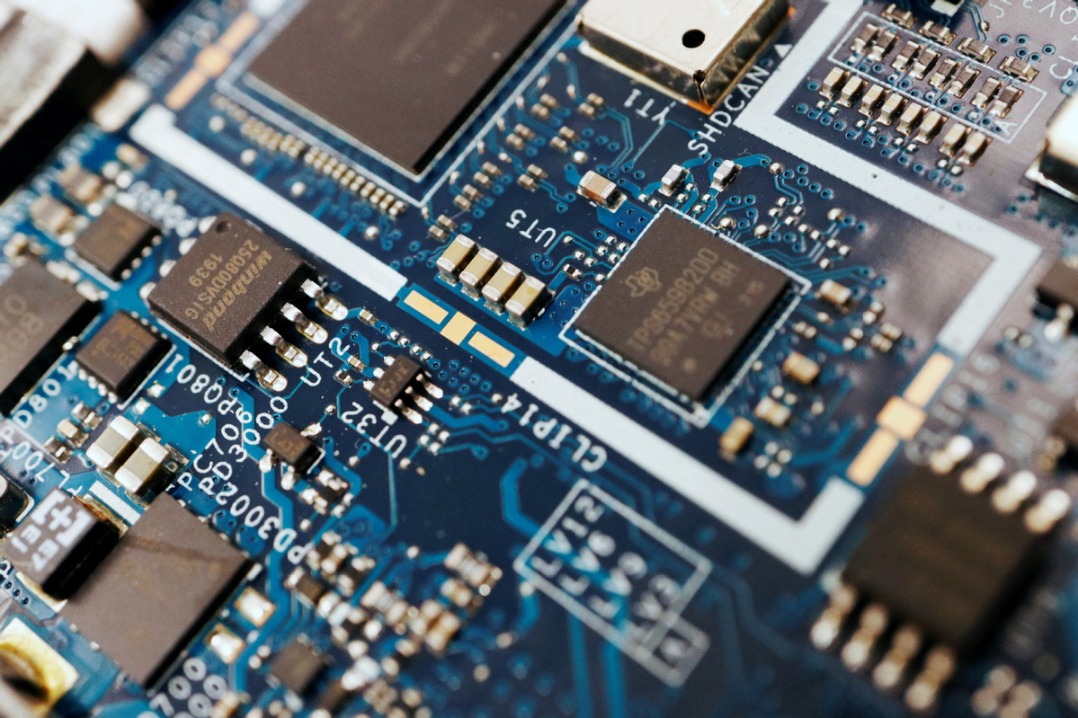
The United States has implemented a substantial 25 percent tariff on select advanced computing chips, marking a significant escalation in its trade policy approach toward the technology sector. This decisive measure, which took effect in early 2026, represents one of the most aggressive tariff impositions on high-tech components in recent years.
The tariff specifically targets cutting-edge computing processors essential for artificial intelligence systems, data centers, and high-performance computing applications. Industry analysts indicate this move will directly impact the cost structure of numerous technology companies relying on these specialized semiconductors for their operations and product development.
This protectionist measure emerges amid ongoing global competition for technological supremacy, particularly in the semiconductor sector where the United States has been seeking to strengthen domestic manufacturing capabilities. The tariff is expected to reshape supply chain dynamics and potentially accelerate the reshoring of advanced chip production to American soil.
Market reactions have been immediate, with several major tech corporations announcing price adjustments for their computing products and services. The financial implications are projected to extend beyond the technology sector, potentially affecting industries ranging from automotive to healthcare that increasingly depend on advanced computing capabilities.
Trade experts suggest this policy could trigger retaliatory measures from trading partners and potentially disrupt the global semiconductor ecosystem that has become increasingly interconnected over the past decade. The long-term impact on innovation cycles and technological advancement remains a subject of intense debate among economists and industry leaders.