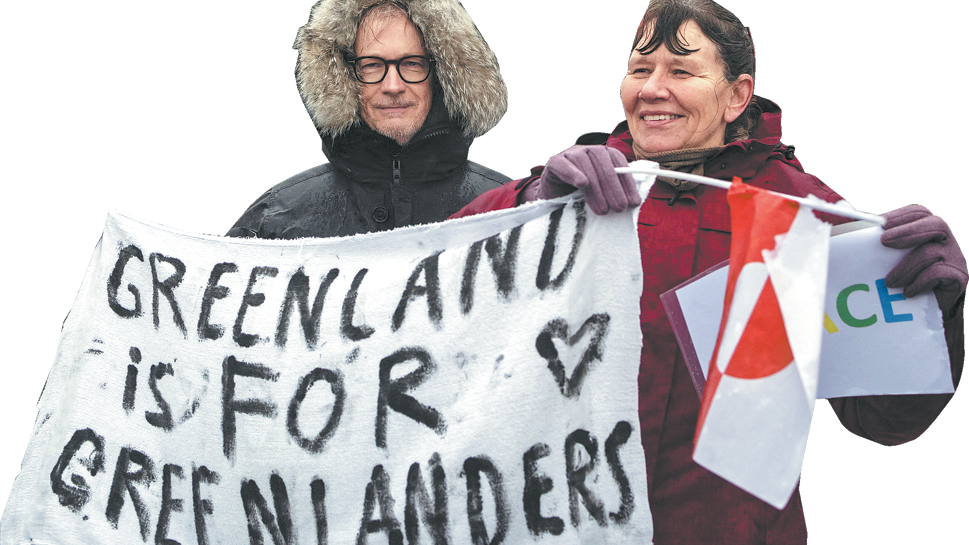
A diplomatic crisis has erupted within NATO following the United States’ controversial push to acquire Greenland, creating unprecedented tensions among Western allies. The world’s largest island, spanning over 2.16 million square kilometers with a mere 57,000 inhabitants, has become the epicenter of a geopolitical storm that threatens to undermine the foundation of the transatlantic alliance.
President Donald Trump’s public declaration of interest in bringing the Danish territory under US control, justified as a ‘national security’ measure against perceived Russian and Chinese presence, sent shockwaves through European capitals. The situation escalated when Trump announced following his meeting with NATO Secretary-General Mark Rutte in Davos that he had established the ‘framework of a future deal’ concerning Greenland and the broader Arctic region.
European leaders responded with alarm and firm resistance. Danish Prime Minister Mette Frederiksen asserted unwavering commitment to sovereignty, stating, ‘We can negotiate on everything political; security, investments, economy. But we cannot negotiate on our sovereignty.’ The crisis prompted an emergency EU summit in Brussels where foreign policy chief Kaja Kallas acknowledged that ‘trans-Atlantic relations have definitely taken a big blow over the last week.’
Security experts warned of potentially devastating consequences. Professor Michael A. Allen of Boise State University cautioned that ‘if gained through coercion, the impact would have been devastating for the United States and the rest of the world,’ potentially causing the collapse of NATO itself. The alliance, formed in 1949 to provide collective security, faced its most serious internal crisis in decades.
The tension temporarily eased when Trump withdrew threats of imposing punitive tariffs—initially set at 10% escalating to 25%—against eight European nations that opposed the Greenland initiative. However, the episode has fundamentally altered dynamics within the alliance, with leaders including French President Emmanuel Macron and British Prime Minister Keir Starmer demonstrating unusually direct criticism of US actions.
China’s Foreign Ministry spokesperson Guo Jiakun dismissed Trump’s security concerns as ‘baseless,’ reaffirming China’s commitment to UN Charter principles in international relations. The Greenland controversy has exposed deepening fractures within NATO and raised questions about the future of US leadership in the alliance amid shifting global power dynamics.