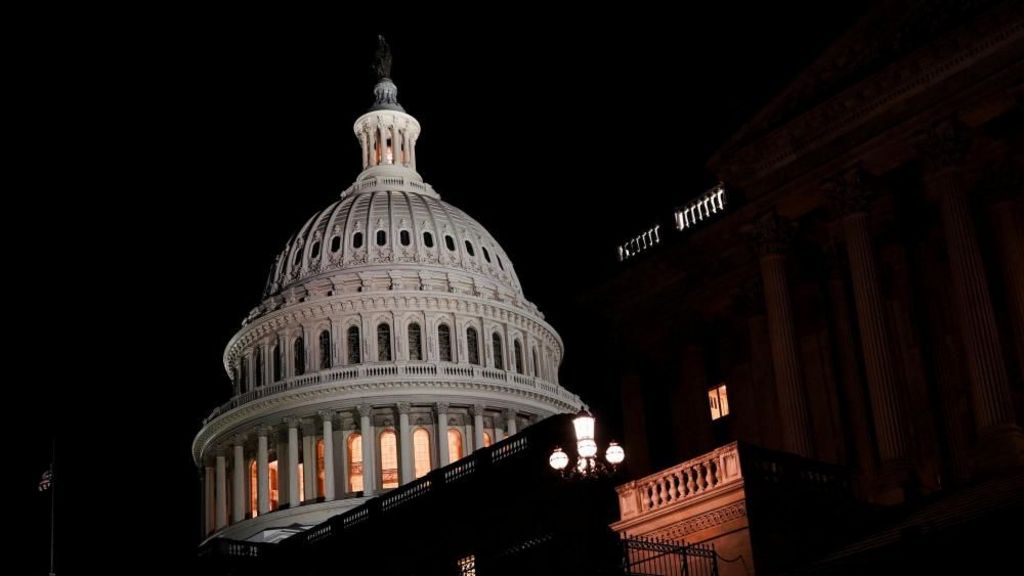
The United States government has entered its first shutdown in nearly seven years, as Congress failed to reach a consensus on a critical funding bill. The impasse has left hundreds of thousands of federal workers facing furloughs or layoffs, while national parks, museums, and essential services risk closure. The shutdown could also disrupt air travel due to staff shortages, echoing the consequences of previous government closures.
The stalemate stems from a bitter partisan divide over healthcare spending, with Democrats insisting on extending health insurance subsidies set to expire at year-end, while many Republicans oppose the costly measures or demand stricter eligibility rules. Despite frenetic negotiations, a Republican-led short-term funding bill fell short of the required 60 Senate votes, with a Democrat-led proposal also failing to pass.
President Donald Trump has escalated tensions by threatening mass firings of federal employees and cuts to programs he claims are favored by Democrats. ‘A lot of good can come from shutdowns,’ Trump remarked, suggesting the crisis could be an opportunity to eliminate policies opposed by his administration. However, the White House has hinted at permanent layoffs for ‘non-essential’ workers if the shutdown persists.
Senate Majority Leader Mitch McConnell and top Democrat Chuck Schumer have traded blame, with Schumer accusing Republicans of ‘bullying’ tactics. The shutdown highlights the unique challenges of U.S. governance, where spending plans require bipartisan agreement across the legislative and executive branches. Analysts predict this shutdown could surpass the 2018 crisis, potentially affecting over 800,000 federal workers.
The path forward remains uncertain, with both parties entrenched in their positions. As the standoff continues, the economic and social repercussions of the shutdown are expected to deepen, leaving federal employees and the public in limbo.