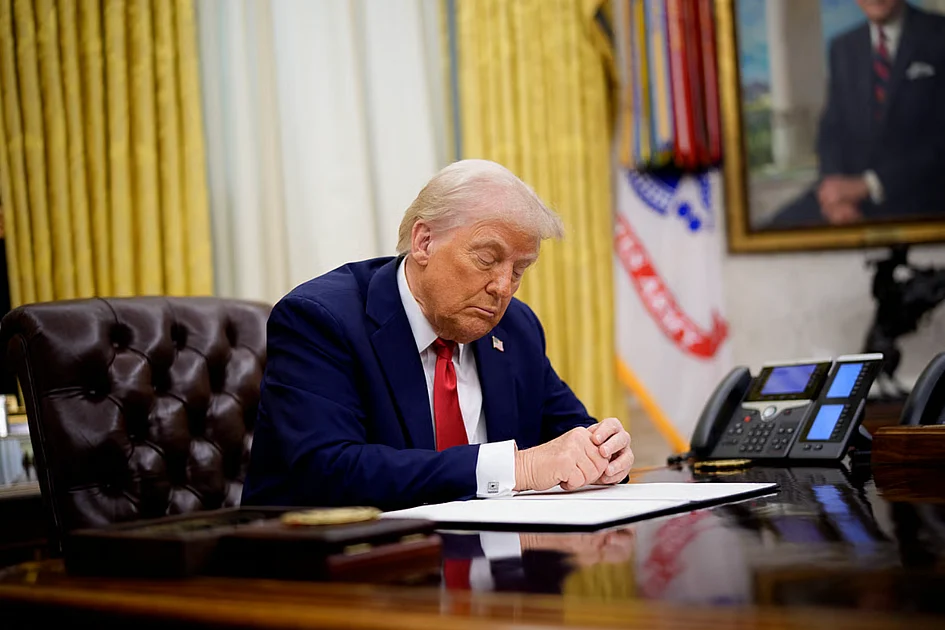
The United States federal government commenced a partial shutdown early Saturday morning after Congress failed to approve fiscal year 2026 budget allocations before the midnight funding deadline. This development marks the second government shutdown of President Donald Trump’s second term, though congressional leaders from both parties indicate the disruption will likely be brief.
The budgetary stalemate originated from a dramatic breakdown in negotiations, primarily fueled by Democratic outrage over the killing of two protesters in Minneapolis by federal immigration agents. This incident critically derailed discussions regarding new funding allocations for the Department of Homeland Security (DHS).
Senate Democratic Minority Whip Dick Durbin publicly condemned the administration’s priorities, stating on social media, ‘Instead of going after drug smugglers, child predators, and human traffickers, the Trump Administration is wasting valuable resources targeting peaceful protestors in Chicago and Minneapolis. This Administration continues to make Americans less safe.’
Approximately 75% of federal operations are impacted by the funding lapse, potentially activating shutdown protocols across a vast spectrum of agencies encompassing education, health, housing, and national defense. Federal departments were mandated to initiate their contingency plans overnight.
However, the practical impact on government services, federal contractors, and employees is projected to be limited. The Senate has already advanced a bipartisan deal, which has received endorsement from President Trump. The House of Representatives, currently out of session until Monday, is expected to ratify this package early next week, thereby restoring funding within days.
While a prolonged impasse could force tens of thousands of federal workers into furloughs or unpaid work, congressional leadership expresses strong confidence in a swift resolution, aiming to avoid a repeat of the record-length shutdown that occurred last fall.