A diplomatic rift has emerged over the fate of 13 Australian citizens – four adult women and nine children – currently stranded in northeastern Syria, after senior United States State Department officials publicly condemned Canberra’s ongoing refusal to facilitate their repatriation. The stranded group, all linked to members of the defunct Islamic State (ISIS) militant network, had recently attempted to leave the overcrowded al-Roj camp where they have been held for years, only to be turned back and detained once again, a reversal that drew direct criticism from US policymakers.
In a February 18 correspondence obtained and published by the *Sydney Morning Herald*, a senior State Department policy analyst laid out Washington’s formal position, noting that the US has actively pushed for all nations to repatriate their citizens held in Syrian detention camps. The official emphasized that this push has grown more urgent amid rapidly shifting security and political developments across northeastern Syria, where the future of camp governance remains deeply uncertain. “I see that the Australian government has dug in on its opposition to repatriating them from the camp,” the analyst wrote, adding that the frustration of the stranded group, now forced back to al-Roj after a failed exit, is entirely understandable. “I can only imagine how frustrating their return to Roj is,” the correspondence read.
The group had made tangible progress toward a return to Australia earlier this year. With support from prominent Sydney community leader and respected medic Jamal Rifi – an Order of Australia recipient who has spent more than a decade assisting this population – the citizens secured valid Australian passports. By Saturday last week, they had exited al-Roj camp and even held confirmed tickets for commercial flights back to Australia, only for the effort to collapse when Australian authorities blocked the repatriation, forcing them back to the camp. Rifi has long argued that Australia’s domestic security is better served by bringing the group home, particularly the children, who he calls innocent victims of their parents’ ideological choices. In a February statement, Rifi noted, “I said publicly that these children were the first victims of the terrible actions of their fathers,” adding that bringing the group home would leave Australia safer than leaving them stranded in a unstable region where extremist radicalization remains a persistent risk.
Major Australian Islamic and community organizations have echoed Rifi’s calls, placing mounting public pressure on Prime Minister Anthony Albanese’s center-left government to reverse course. The Australian National Imams Council, the Muslim Legal Network, and the Lebanese Muslim Association have all publicly urged the government to allow the group to return, framing the children’s situation as a humanitarian crisis that cannot be ignored.
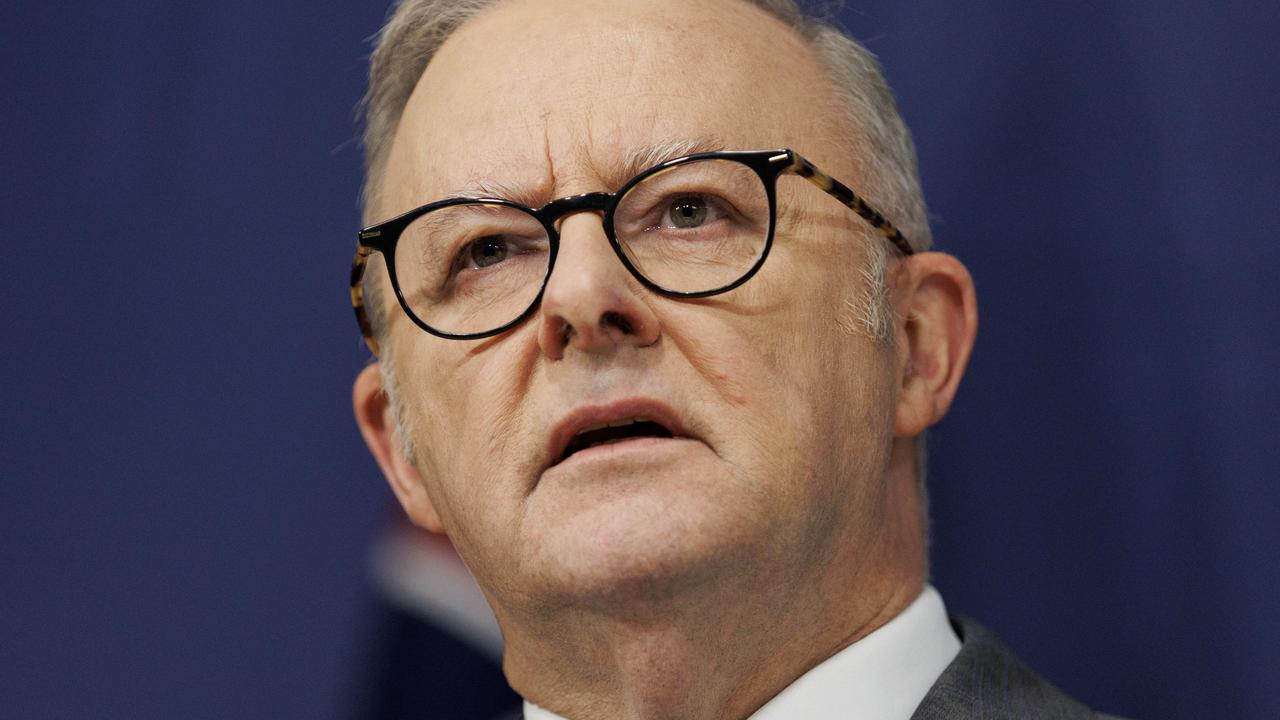
In response to the unfolding controversy, the Albanese government has denied providing any official assistance to facilitate the group’s exit from Syria, though it has acknowledged that the citizens hold a legal right to enter Australian territory under existing national legislation. Prime Minister Albanese doubled down on his long-held position during a press briefing in Canberra Tuesday, reaffirming his opposition to voluntary repatriation for adult citizens who chose to join ISIS. “My views have not changed with regard to people who went overseas and chose to support ISIS rather than Australia, when ISIS had an objective of setting up a caliphate to literally attack democracies like Australia,” he told reporters. He did, however, acknowledge the vulnerable status of the children, describing them as “victims of their parents’ bad choices, evil choices, to undermine Australia’s national interest” – a stance that leaves the government caught between legal obligations, political pressure, and diplomatic criticism from its closest ally.