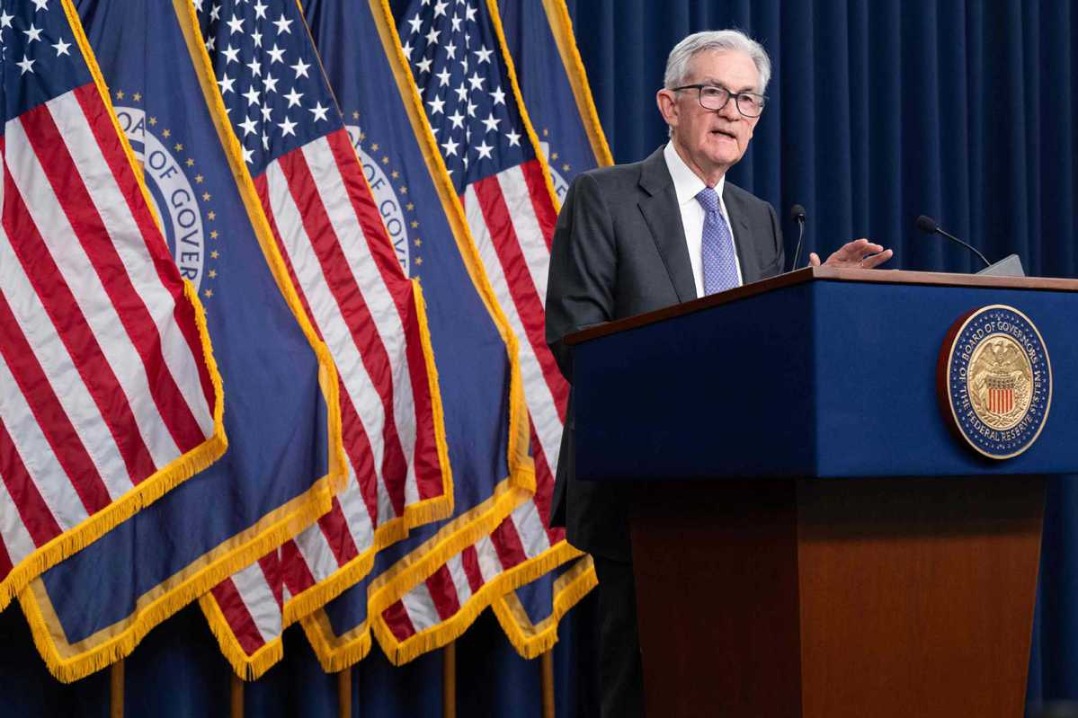
In a pivotal monetary policy decision, the U.S. Federal Reserve announced a 25 basis point reduction in the federal funds rate on Wednesday, December 10, 2025, lowering the target range to 3.50-3.75 percent. This marks the third consecutive rate cut implemented by the central bank since September, bringing interest rates to their lowest level in approximately three years.
The Federal Open Market Committee’s decision emerged from a divided governing body confronting competing economic pressures. While inflation remains persistently elevated, exceeding the Fed’s 2 percent target by approximately one percentage point, growing concerns about employment stability ultimately guided the committee’s action.
Committee officials cited ‘elevated uncertainty about the economic outlook’ in their official statement, specifically noting that ‘downside risks to employment rose in recent months.’ This assessment follows troubling labor market indicators, including recent data from Automatic Data Processing, Inc. showing private companies unexpectedly cut 32,000 workers in November—a stark contrast to economists’ projections of a 40,000-job increase.
The labor market deterioration has been particularly acute among small businesses, with establishments employing fewer than 50 workers shedding 120,000 positions in November. Mid-sized and large enterprises continued modest hiring during the same period, creating a bifurcated employment landscape.
Compounding these challenges, the recent 43-day federal government shutdown significantly disrupted economic data collection and exacerbated labor market weaknesses. The statistical disruption means October unemployment data will remain unavailable, while November employment figures—scheduled for release on December 16—will provide crucial insight into the economy’s trajectory.
The Fed’s unusual third consecutive rate cut reflects the complex balancing act facing policymakers as they navigate elevated inflation concerns against emerging employment vulnerabilities, all while contending with ongoing trade policy uncertainties that continue to influence economic conditions.