On a Thursday vote, the U.S. House of Representatives has advanced a Republican-sponsored bill targeting U.S. universities that participate in boycotts of Israel or restrict student access to Israel-based academic exchange programs, setting up a critical next step for the legislation in the U.S. Senate. The final vote tally for the Protect Economic and Academic Freedom Act stood at 237 in favor to 169 against, with unusual cross-party defying the typical partisan line on this deeply divisive issue.
Thirty-three Democratic members, most of whom are facing competitive re-election races this cycle and hold long-standing pro-Israel voting records, broke with their party to support the measure. Only two Republican lawmakers voted against the bill. The legislation’s scope is limited to postsecondary institutions that participate in federal student aid programs; it requires universities receiving federal funding for international study and foreign language initiatives to submit annual verification confirming they do not bar domestic students from joining Israel-based programs, nor block Israeli students from enrolling in programming on their own campuses.
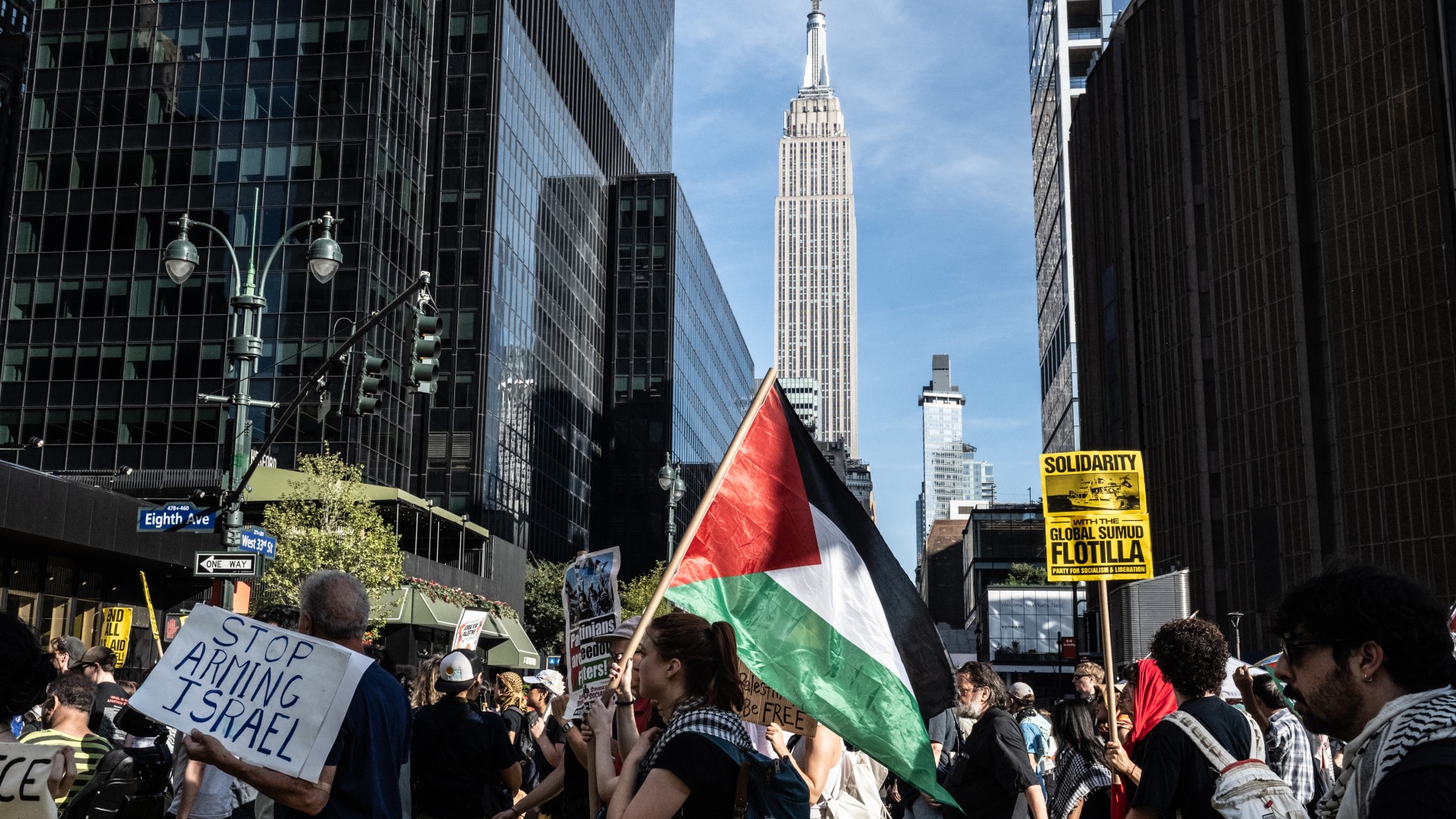
The debate over the bill comes against the backdrop of the ongoing Israel-Gaza war, which has reshaped U.S. political discourse around the Israeli-Palestinian conflict and amplified campus activism. The conflict erupted after Hamas-led attacks on October 7, 2023 killed roughly 1,200 people in southern Israel. Since that date, Israeli military operations in Gaza have killed more than 73,000 Palestinians, per official counts from the Palestinian Ministry of Health. In response to the humanitarian crisis unfolding in the enclave, student and faculty coalitions at dozens of top U.S. universities have stepped up pressure on institutional leadership to join the Boycott, Divestment and Sanctions (BDS) movement targeting Israel. To date, the vast majority of university administrations have either ignored these demands or rejected them outright.
House Republican supporters of the bill framed the legislation as a necessary check on anti-Israel discrimination on taxpayer-funded campuses. “Our universities should not use taxpayer-funded federal programs to discriminate against Israeli students, faculty, institutions, or businesses simply because they are Israeli,” Tim Walberg, Republican chair of the House education committee, told colleagues ahead of the final vote. House Republican Conference leader Virginia Foxx went further, characterizing ongoing anti-war protests on college campuses as inherently antisemitic, arguing that “the antisemitic rot that has corroded college campuses must be eradicated.” She added: “Today, the House sent a clear message: if an institution of higher education chooses to capitulate to the caustic BDS movement, there will be consequences – starting with this bipartisan legislation.”
Democratic opponents of the bill pushed back against this framing, arguing the legislation unnecessarily infringes on First Amendment protections for peaceful protest and political expression. Bobby Scott, the top Democratic member of the House education committee, argued the bill is unnecessary on its face and dangerous for free speech. “No college or university has embraced the BDS movement anyway. So, we should combat antisemitism wherever it occurs, but we should not do so by punishing protected speech or conflating a student’s view with university policies,” Scott said on the House floor. Even some lawmakers who publicly oppose BDS voted against the measure, citing core free speech principles. New York Democratic Congressman Jerrold Nadler explained ahead of the vote that while he rejects the BDS movement, he could not support the bill because protecting the right to dissent is critical to safeguarding all expression: “It is the only way to ensure speech I do agree with is equally protected,” Nadler said.
Pro-Palestinian activists have long pushed back against claims that campus protests and BDS organizing are inherently antisemitic, arguing that critics deliberately blur the line between criticism of the Israeli government’s policies and anti-Jewish bigotry to silence legitimate dissent. Bill supporters have countered that the legislation does not target individual speech, but rather seeks to prevent discriminatory institutional practices supported by federal public funds.
Political analysts have noted the House vote comes as partisan tensions over Israel policy have exposed deep rifts within the Democratic caucus, just ahead of a critical midterm election that will determine which party controls Congress for the final two years of the current presidential term. Some observers view the bill as a deliberate effort by House Republicans to amplify these divisions and appeal to swing voters ahead of the vote. Just months earlier, in July, more than 100 House Democrats backed a separate bill that would cut portions of U.S. military aid to Israel, a vote that laid bare the competing ideological currents within the party on Middle East policy. For now, the fate of the Protect Economic and Academic Freedom Act rests with the Senate, where it faces an uncertain path forward.