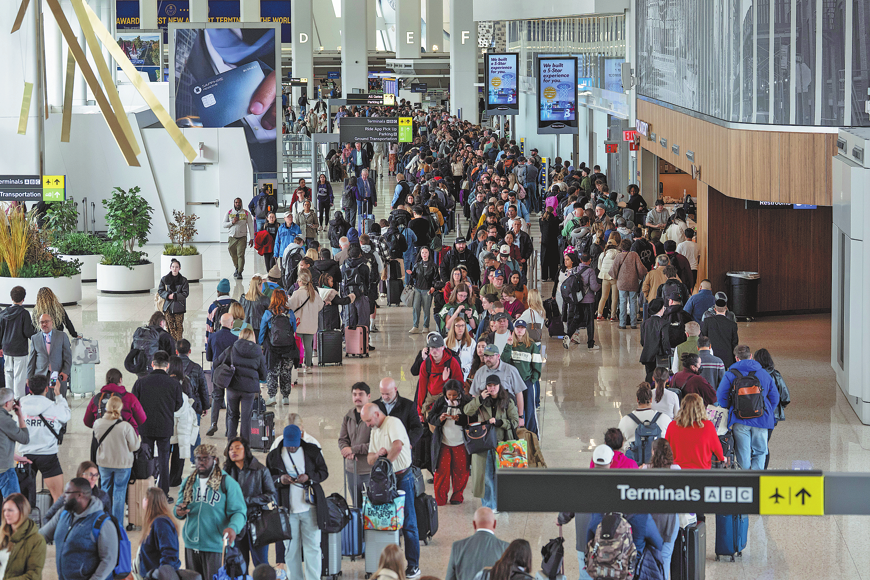
WASHINGTON — A critical funding impasse over immigration enforcement policies has plunged the United States Congress into a severe crisis, with the 41-day government shutdown now threatening to paralyze the nation’s aviation security apparatus. The stalemate, which has left Transportation Security Administration (TSA) employees working without pay since mid-February, is escalating toward potential airport closures as absentee rates among unpaid screeners reach critical levels.
Legislative efforts to break the deadlock appeared destined for failure on Thursday. Senate Republicans proposed funding the TSA and most Department of Homeland Security operations while deliberately excluding resources for Immigration and Customs Enforcement (ICE) removal operations. Democrats immediately rejected the measure as insufficient, demanding additional constraints on immigration enforcement agencies.
The human toll of the political standoff was starkly illustrated during Wednesday’s House hearing, where acting TSA administrator Ha Nguyen McNeill described federal employees facing eviction notices, mounting debt, and even resorting to plasma donation to cover basic expenses. ‘This is a dire situation,’ McNeill testified, revealing that nationwide callout rates had surged to 11% as financially strained employees skip work.
The administrator issued an unprecedented warning that the agency may soon face ‘very difficult choices’ about which airports to keep operational if the situation deteriorates further. The funding expiration on February 13 has created the longest homeland security funding gap in modern history, coinciding with Congress’s planned spring recess that begins this weekend.
Political recriminations have intensified as travel disruptions mount. Former President Donald Trump accused Democrats of wanting ‘our country to fail’ in a social media post, while Senate Minority Leader Chuck Schumer countered that Republicans had ‘blocked TSA funding nine times’ and were ‘solely responsible for the chaos.’
The fundamental disagreement stems from Democratic demands for immigration enforcement reforms following the January fatal shootings of two citizens by federal agents in Minneapolis. Republicans have repeatedly rejected these demands, creating a policy chasm that shows no signs of narrowing despite the escalating consequences for national security and transportation infrastructure.