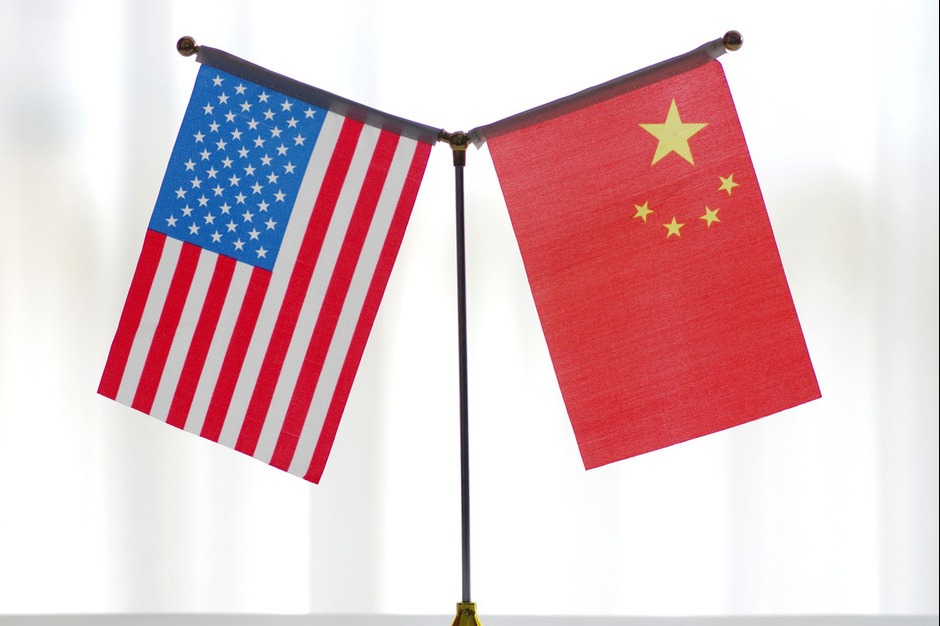
Academic experts specializing in international affairs have presented a nuanced assessment of Sino-American relations for the coming year, identifying both stabilizing factors and underlying vulnerabilities in the bilateral relationship. The analysis emerged during a recent virtual symposium organized by the Institute for China-America Studies, where scholars examined the geopolitical landscape following significant developments throughout 2025.
David Kang, who holds the Maria Crutcher professorship in international relations at the University of Southern California, expressed measured optimism, noting that the current state of affairs has surpassed earlier expectations. This cautiously positive outlook follows a year that witnessed five substantial trade negotiation rounds and a consequential summit in Busan, South Korea, which resulted in a temporary suspension of tariff escalations.
The Trump administration’s recently published National Security Strategy provided additional context for the discussion. The document notably emphasized economic engagement across Asia while refraining from characterizing China as an existential national security threat—a significant departure from conventional Washington foreign policy rhetoric.
Robert Sutter, professor of practice at George Washington University’s Elliott School of International Affairs, highlighted President Trump’s distinctive approach to China relations, describing it as fundamentally “transactional” rather than ideologically driven. This methodology leverages access to the enormous American consumer market as diplomatic capital to negotiate bilateral agreements more favorable to United States interests.
However, Professor Kang offered a more circumspect perspective regarding American influence in Asia, suggesting that regional trends continue to move in concerning directions. He characterized the public displays of diplomatic engagement from Asian allies as “performative flattery” that masks deeper efforts to establish regional networks as protection against potential American policy volatility.
The Taiwan question emerged as a critical flashpoint in the discussions. The United States’ approval of an unprecedented $11 billion arms package to Taiwan in late 2025—the largest single authorization to date—contrasted with the National Security Strategy’s reaffirmation of established policy without explicit endorsement of the One-China principle.
Bucknell University Professor Zhu Zhiqun described the arms sales as a “problematic approach” that contributes to relationship fragility. He characterized the current bilateral dynamic as a “negative equilibrium” sustained not by mutual benefit or shared values but by reciprocal capacity for economic harm through mechanisms including tariff impositions, technology controls, and commodity restrictions.
Despite these challenges, Liu Yawei, senior China advisor at the Carter Center, projected optimism for 2026, suggesting that stability on the Taiwan issue could produce stabilizing effects across the entire US-China relationship, ultimately benefiting the international community at large.