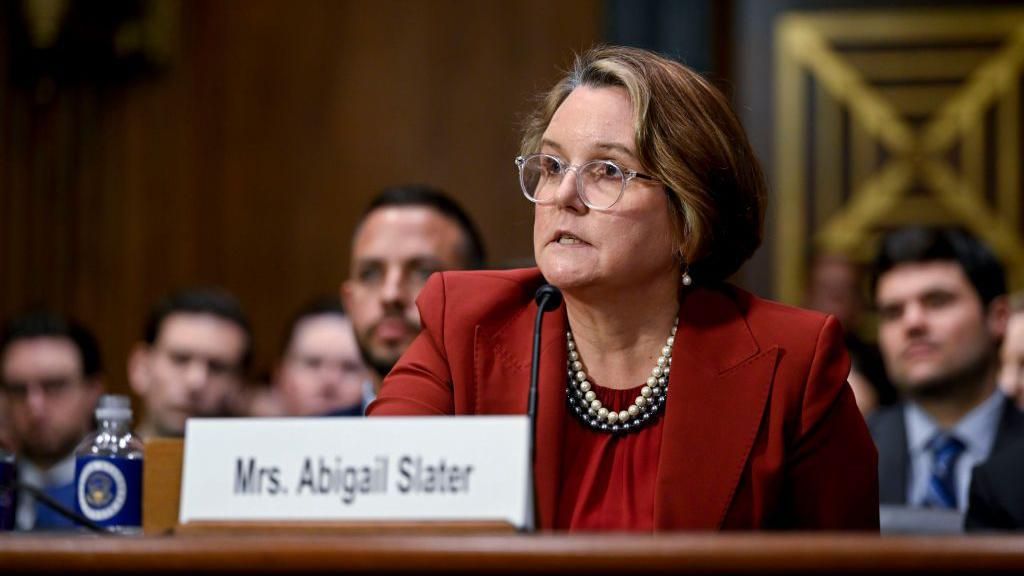
In a significant development for US competition policy, Gail Slater, the head of the Justice Department’s Antitrust Division, announced her resignation on Thursday via social media. The departure marks the latest in a series of leadership changes within the division since last summer, including the removal of two other senior officials.
Slater, appointed by President Donald Trump last year and confirmed with bipartisan support, wrote that she was leaving her role ‘with great sadness and abiding hope.’ The Justice Department confirmed her departure but provided no details regarding the circumstances.
The resignation has sparked concern among antitrust practitioners, lawmakers, and former officials who interpret it as evidence of the White House retreating from robust monopoly enforcement. Critics allege that senior Trump administration officials have repeatedly overruled antitrust division leaders on enforcement decisions, suggesting a softer approach to corporate mergers under lobbyist influence.
These tensions became publicly visible last summer when the DOJ unexpectedly dropped a lawsuit challenging Hewlett-Packard Enterprise’s $14 billion acquisition of Juniper Networks after companies appealed to top officials. Following this decision, Roger Alford, Slater’s top deputy and veteran of the first Trump administration, was ousted. Alford has since described an internal ‘battle within the Department of Justice’ between antitrust enforcers and senior leadership.
The ongoing turbulence raises serious questions about the fate of major ongoing cases against companies including Live Nation, Visa, and Apple. According to John Newman, a former FTC official during the Biden administration, this regulatory uncertainty creates a ‘worst case scenario’ for honest businesses while potentially benefiting those indifferent to legal compliance.
Senator Elizabeth Warren characterized Slater’s departure as appearing ‘like corruption’ and called for congressional investigation into the Trump administration’s actions. The White House did not immediately respond to requests for comment, while a DOJ spokesperson declined to address allegations of intervention by higher-ups.