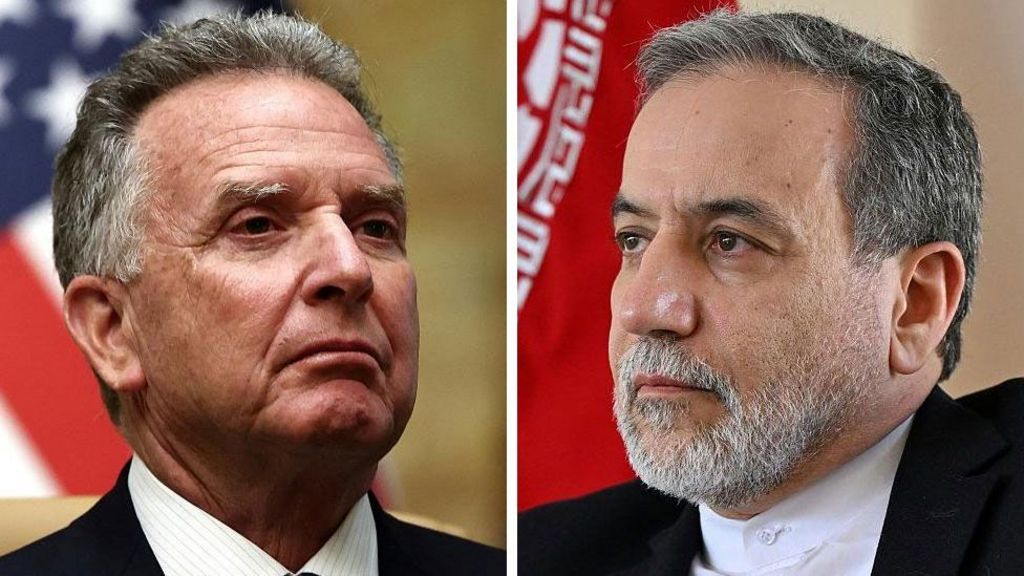
High-level diplomatic efforts are underway in Muscat as American and Iranian officials engage in critical negotiations aimed at de-escalating mounting tensions that threaten to erupt into armed conflict. The talks, mediated by Omani officials, represent a crucial diplomatic channel between the two nations who have not maintained formal relations since 1980.
The American delegation, led by Special Envoy Steve Witkoff and presidential emissary Jared Kushner, faces Iranian Foreign Minister Abbas Araghchi across the negotiating table. These discussions occur against a backdrop of significant US military mobilization in the Persian Gulf, including the deployment of an aircraft carrier battle group and thousands of additional troops—a show of force that President Trump has explicitly tied to demands for Iranian concessions.
Substantial disagreements persist regarding the scope of negotiations. Washington insists any comprehensive agreement must address four key areas: Iran’s nuclear program, its ballistic missile development, support for regional proxy forces, and human rights practices. Tehran maintains that discussions should be strictly limited to nuclear matters, particularly following the collapse of the 2025 nuclear talks after Israel’s surprise military action against Iranian facilities.
The current crisis has been exacerbated by Iran’s violent suppression of nationwide protests last month, which human rights organizations report resulted in nearly 7,000 fatalities and over 50,000 arrests. This domestic unrest, fueled by economic hardship exacerbated by international sanctions, has created additional pressure on Iran’s leadership while simultaneously making concessions politically dangerous.
Both nations face compelling reasons to seek diplomatic resolution. For Iran, the talks potentially offer relief from crippling economic sanctions that have devastated its economy. For the United States, successful negotiations could provide an alternative to military action that regional analysts warn could destabilize the entire Middle East without achieving strategic objectives.
Omani Foreign Ministry officials characterized the discussions as focusing on ‘creating appropriate conditions for resuming diplomatic and technical negotiations,’ suggesting these preliminary talks aim to establish framework rather than achieve immediate breakthroughs. The location shift from originally planned Istanbul talks to Oman—which hosted previous negotiations—reflects Iranian preferences for a more neutral venue.
President Trump’s blunt warning that Iran’s Supreme Leader ‘should be very worried’ underscores the gravity of the situation, while Secretary of State Marco Rubio’s statement that ‘we don’t see there’s any harm in trying’ indicates cautious diplomatic exploration rather than guaranteed success.