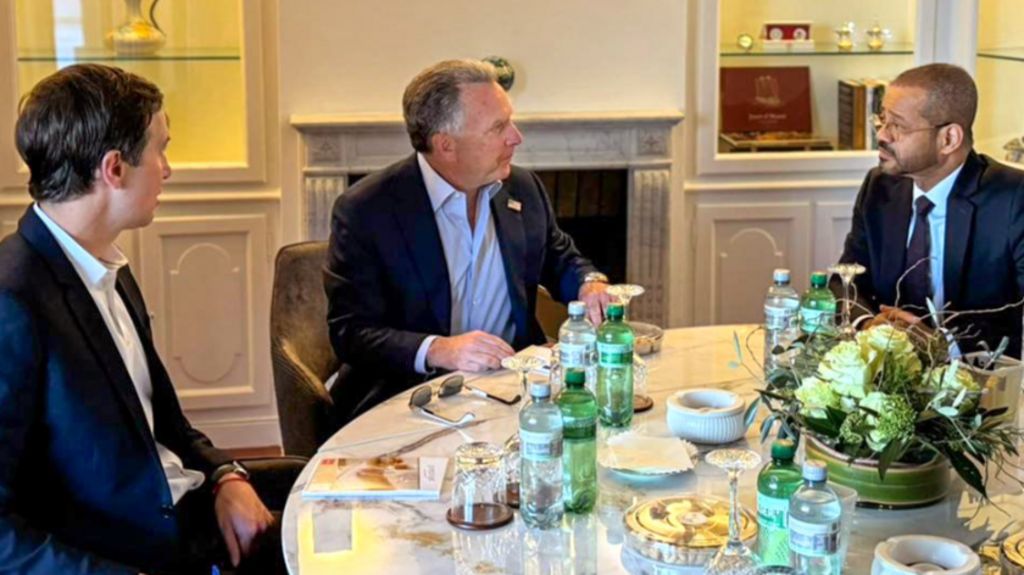
GENEVA – Critical indirect negotiations between the United States and Iran have entered a third round in Geneva, facilitated by Omani diplomatic channels, as both nations demonstrate what mediators describe as “unprecedented openness to new and creative ideas” despite escalating military posturing.
Omani Foreign Minister Badr Albusaidi, serving as primary mediator in the talks held at Oman’s ambassador’s residence, reported constructive engagement from both delegations. The U.S. contingent, led by Special Envoy Steve Witkoff and Presidential Advisor Jared Kushner, faces Iranian officials headed by Foreign Minister Abbas Araghchi in discussions aimed at preventing open conflict.
The negotiations unfold against the backdrop of the largest U.S. military deployment in the Middle East since the 2003 invasion of Iraq, including two aircraft carrier groups and thousands of troops that President Trump has characterized as an “armada.” This show of force coincides with explicit threats from Trump regarding potential limited strikes on Iranian nuclear facilities and Revolutionary Guard assets if diplomatic efforts fail.
Iranian officials have maintained their longstanding position against nuclear weapons development, with Araghchi publicly affirming that Iran would “under no circumstances ever develop a nuclear weapon” while expressing optimism for an “historic opportunity to strike an unprecedented agreement.”
Substantive discussion points reportedly include potential establishment of a regional uranium enrichment consortium and disposition of Iran’s existing stockpile of approximately 400kg of highly enriched uranium. In exchange, Tehran seeks relief from crippling economic sanctions that have devastated its economy.
Significant obstacles remain, however, as Iran continues to reject limitations on its ballistic missile program or cessation of support for regional proxy groups comprising what Tehran terms the “Axis of Resistance” – including Hamas, Hezbollah, and Yemen’s Houthi rebels.
The political landscape is further complicated by Israeli Prime Minister Benjamin Netanyahu’s opposition to any agreement excluding missile and proxy limitations, while regional U.S. allies express concerns about potential escalation into broader conflict. Congressional leaders have received classified briefings on the situation, with Senate Minority Leader Chuck Schumer acknowledging the seriousness of the situation and emphasizing the administration’s need to “make its case to the American people.”
Military analysts note the considerable risks associated with strikes against Iranian targets, potentially drawing the U.S. into prolonged engagement, despite Trump’s assertions that any conflict would be “easily won.” Iran has vowed to retaliate against any attack by targeting U.S. military assets throughout the Middle East and Israel.
The negotiations represent the most significant diplomatic engagement between the two nations since U.S. airstrikes destroyed Iranian nuclear facilities eight months ago during the Israel-Iran conflict, after which Iran claims to have halted enrichment activities though international inspectors have been denied access to verify these claims.