Diplomatic efforts to address Iran’s nuclear program are advancing as both Tehran and Washington confirm high-stakes negotiations scheduled for Friday in Muscat, Oman. The talks proceed against a backdrop of severe military threats and regional instability, marking a critical juncture in bilateral relations.
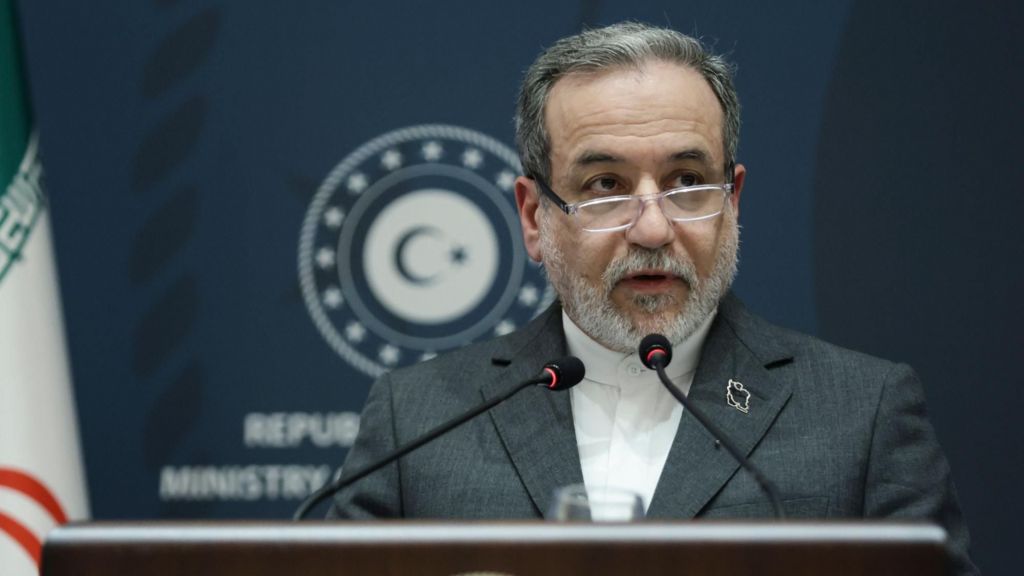
Iranian Foreign Minister Abbas Araghchi announced the meeting would commence at 10:00 local time (06:00 GMT), with US officials subsequently verifying the Oman location. This development follows a period of considerable uncertainty regarding the meeting’s venue and agenda parameters, bringing the negotiations back from the brink of collapse.
The diplomatic breakthrough emerged after several Arab and Muslim leaders intervened, urging the Trump administration to maintain dialogue despite previous threats of withdrawal. According to Axios reports confirmed by three US officials, the administration agreed to proceed “to be respectful” to allied nations, though maintaining substantial skepticism regarding the negotiation’s potential success.
President Trump escalated tensions dramatically during an NBC News interview, issuing a stark warning to Supreme Leader Ayatollah Ali Khamenei: “I would say he should be very worried… As you know, they’re negotiating with us.” This verbal confrontation followed Khamenei’s Sunday declaration that any American attack would ignite a “regional war.”
Secretary of State Marco Rubio outlined expanded US demands beyond nuclear limitations, insisting meaningful negotiations must address Iran’s ballistic missile development, regional sponsorship of terrorist organizations, and domestic human rights issues. This comprehensive approach contrasts with Iran’s preference for focused nuclear discussions coupled with sanctions relief.
Foreign Minister Araghchi expressed conditional optimism regarding a potential agreement, stating: “President Trump said, ‘no nuclear weapons,’ and we fully agree with that. That could be a very good deal. Of course, in return we expect sanction lifting.” Tehran maintains its nuclear program remains exclusively peaceful despite Western suspicions.
The negotiations occur alongside ongoing domestic turmoil within Iran, where recent protests over economic conditions evolved into demands for political reform. The government’s severe crackdown resulted in significant casualties, with US-based HRANA documenting over 6,400 protester deaths and investigating thousands more potential fatalities. Iranian authorities acknowledge approximately 3,000 deaths while attributing most to “rioters” targeting security personnel.
This complex diplomatic engagement represents perhaps the final opportunity for peaceful resolution before potential military confrontation, with regional stability hanging in the balance.