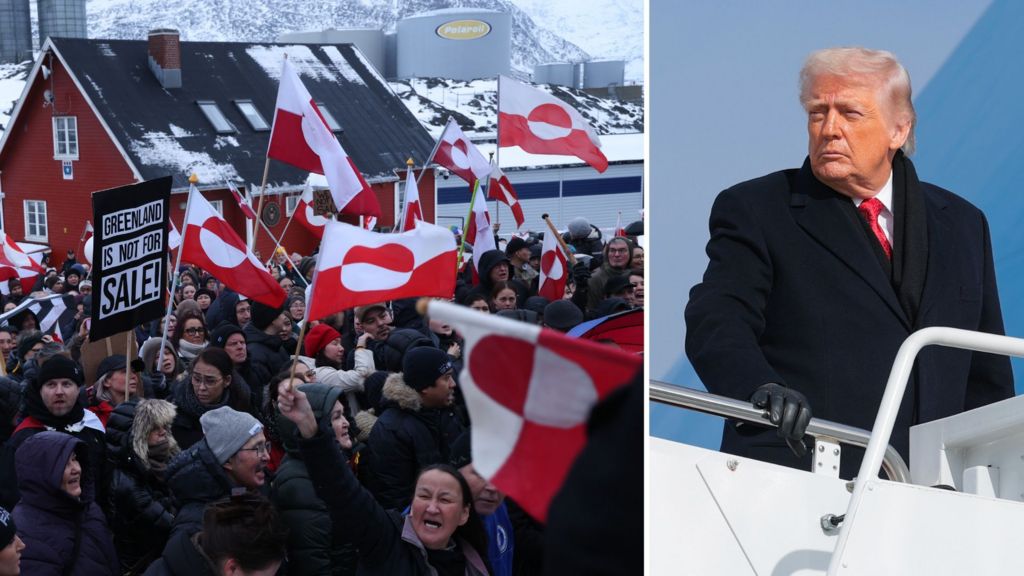
A tense diplomatic standoff over Greenland’s sovereignty, ignited by Donald Trump’s acquisition threats and military rhetoric, appears to have been resolved through high-level NATO intervention. The crisis, which unfolded over two weeks and threatened transatlantic relations, culminated in a strategic agreement focused on Arctic security rather than territorial transfer.
NATO Secretary General Mark Rutte played a pivotal role in de-escalating tensions following Trump’s provocative statements about purchasing Greenland and imposing tariffs on European allies. The breakthrough built upon preliminary discussions between Washington and a diplomatic delegation comprising Danish and Greenlandic foreign ministers, which established a working group to address the island’s future.
While specific terms remain confidential, emerging details suggest the arrangement involves enhanced U.S. military presence on Greenland rather than sovereignty transfer. Anonymous officials cited by The New York Times indicate potential Danish cession of small territorial parcels for American military bases, mirroring the UK’s sovereign base model in Cyprus. President Trump additionally referenced secured access to Greenland’s substantial mineral resources, though neither Danish authorities nor NATO have confirmed these claims.
NATO clarified that discussions center on collective Arctic security efforts among the seven Arctic allies—United States, Canada, Denmark, Norway, Sweden, Finland and Iceland—with explicit intent to counter Russian and Chinese military and economic expansion in the region.
The resolution leaves behind diplomatic reverberations, with Canadian Prime Minister Mark Carney describing the episode as a ‘rupture’ in traditional alliances and EU Commission President Ursula von der Leyen referencing ‘seismic change’ in international relations. Observers note the crisis has accelerated calls for European strategic independence and exposed the fragility of existing alliance structures in the face of unilateral actions.