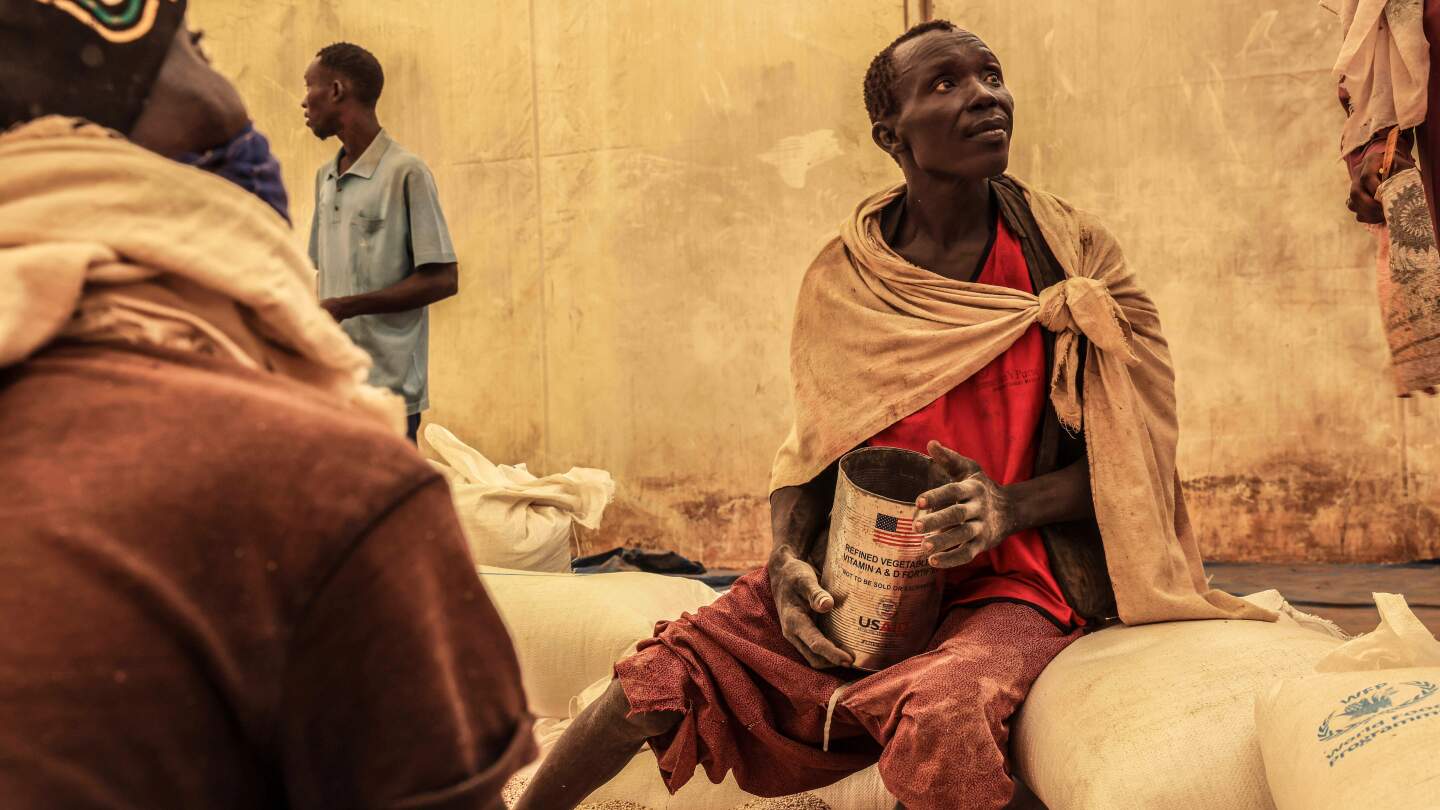
The World Food Program (WFP), the United Nations’ primary food aid agency, issued a stark warning on Wednesday, highlighting the dire consequences of severe funding reductions from its major donors. The agency revealed that nearly 14 million people across six countries—Afghanistan, Congo, Haiti, Somalia, South Sudan, and Sudan—are at risk of facing emergency levels of hunger due to these cuts. WFP Executive Director Cindy McCain described the situation as a ‘lifeline disintegrating before our eyes,’ emphasizing the gravity of the crisis. The agency anticipates a 40% drop in funding this year, reducing its budget to $6.4 billion from $10 billion in 2023. This shortfall is largely attributed to significant reductions in contributions from the United States under the Trump administration and other leading Western donors. The WFP stressed that global hunger is already at record levels, with 319 million people experiencing acute food insecurity, including 44 million at emergency levels. Famine has been declared in Gaza and Sudan, while in Afghanistan, food assistance reaches less than 10% of those in need. The funding crisis has also impacted other UN agencies, including those focused on migration, health, and refugees, leading to widespread aid and staffing cuts. The humanitarian aid community is grappling with the ripple effects of reduced support from traditional donors, including the U.S. Agency for International Development (USAID).