The United Nations’ human rights chief Volker Türk has issued an urgent warning about escalating violence in Sudan’s resource-rich Kordofan region, expressing grave concerns that the area could witness atrocities mirroring the recent horrors witnessed in el-Fasher. This alert comes as the protracted conflict between the Sudanese military and the paramilitary Rapid Support Forces (RSF) enters a dangerous new phase, shifting strategically toward the oil-producing heartlands of central and southern Sudan.
According to documented evidence, the town of Bara in North Kordofan has already suffered devastating casualties, with at least 269 fatalities recorded since late October through aerial bombardments, artillery shelling, and extrajudicial killings. Telecommunications blackouts across the region have severely hampered verification efforts, suggesting the actual death toll may be substantially higher. Particularly disturbing incidents include an RSF drone strike on November 3 that killed 45 predominantly female victims in an el-Obeid tent settlement, followed by military airstrikes on Saturday claiming 48 lives, mostly civilians, in Kauda, South Kordofan.
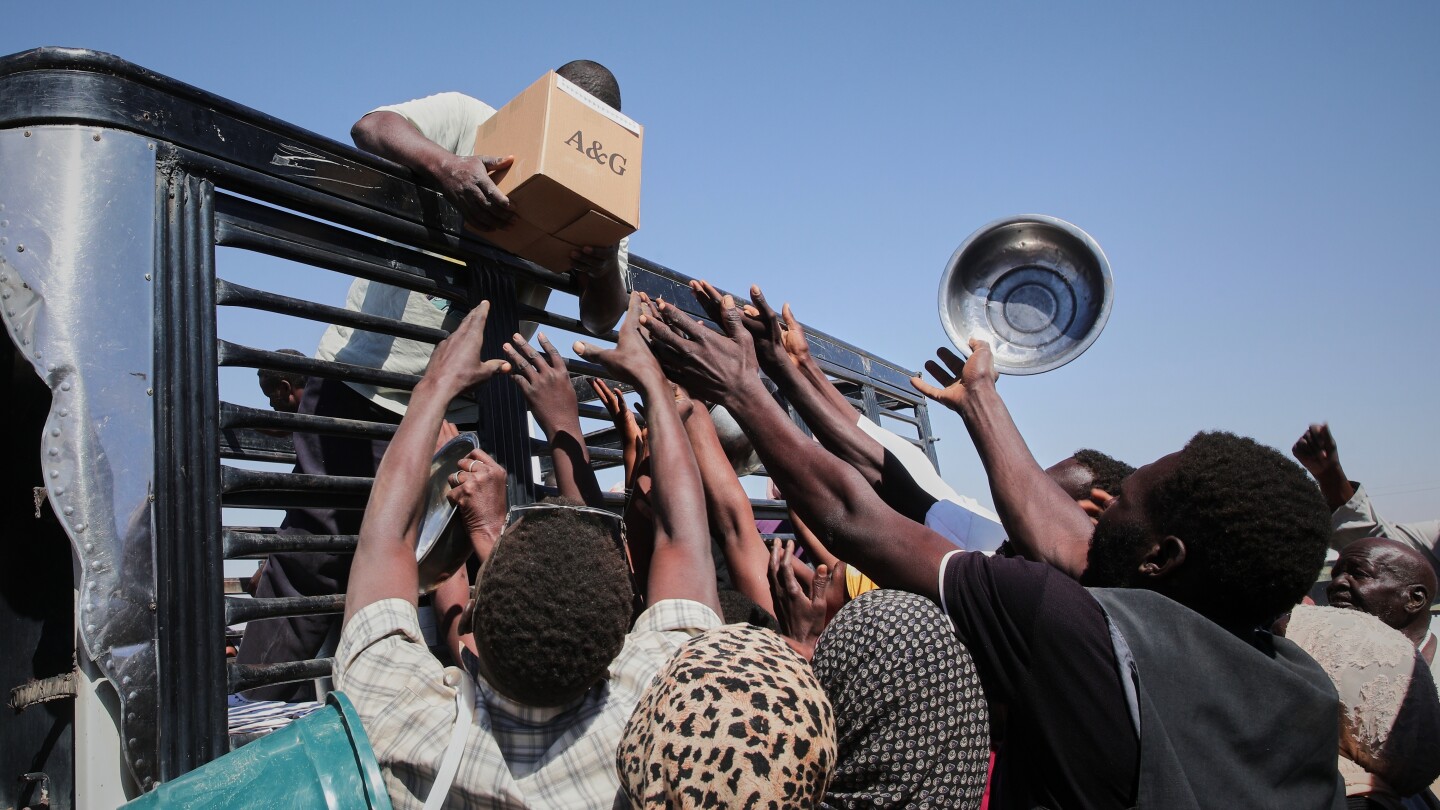
The RSF’s recent capture of Babanusa’s strategic army headquarters represents a significant tactical advancement, though these claims remain unverified independently. This development has raised alarms among medical professionals associated with the Sudan Doctor’s network, who report that dozens of women and children sheltering within the military compound now face imminent danger. The humanitarian situation has reached catastrophic proportions, with the UN estimating over 44,000 displaced from Kordofan alone, while communities in Kadugli and Dilling face famine conditions under RSF sieges.
Türk has implored influential nations to immediately intervene by halting weapons transfers that fuel the conflict and restoring telecommunications to facilitate lifesaving assistance. The two-year civil war has already created the world’s most severe displacement crisis with over 14 million affected and an estimated 40,000 fatalities—though actual numbers are believed to be considerably higher according to human rights organizations.