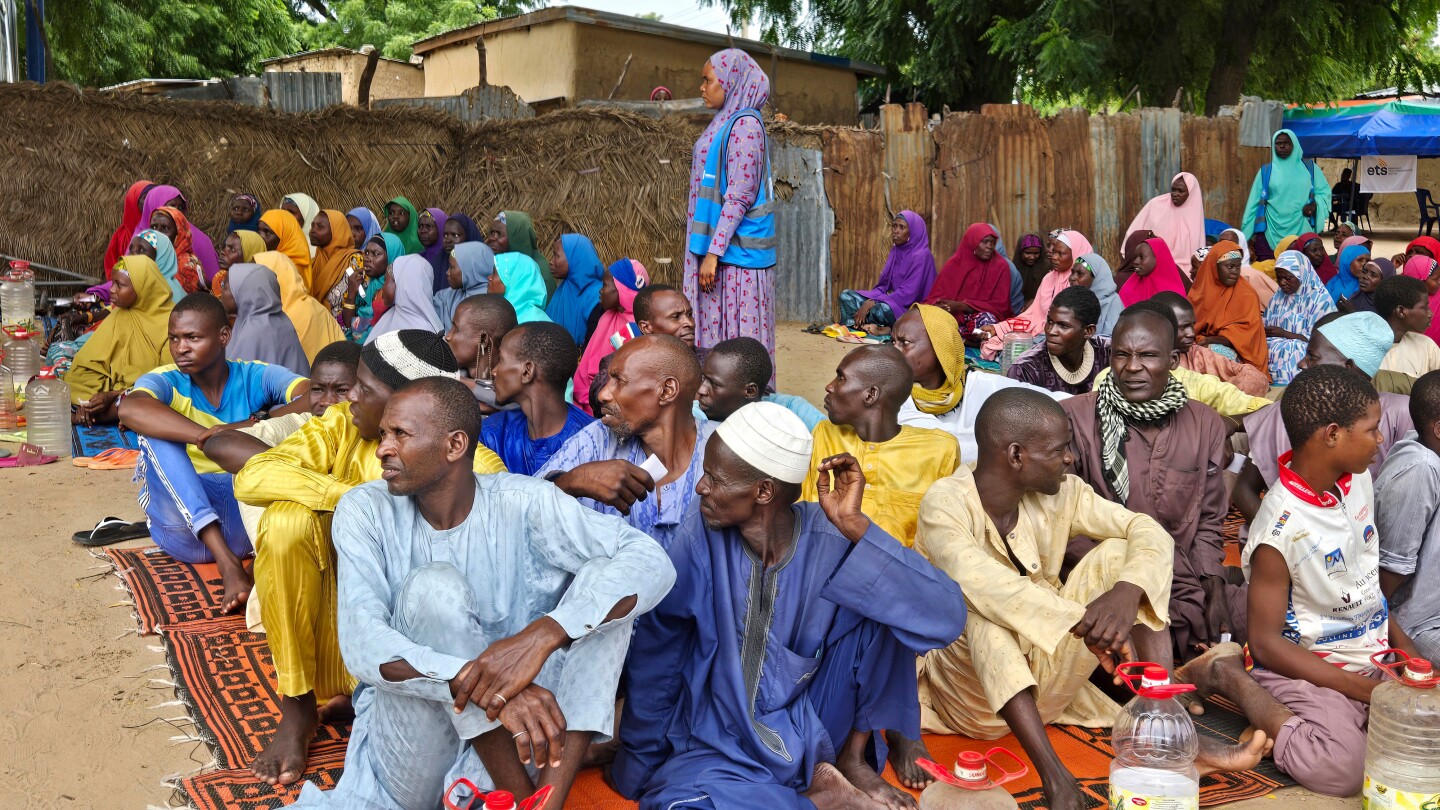
DAKAR, Senegal — The United Nations World Food Programme (WFP) issued an urgent warning Thursday that over one million vulnerable people in northeastern Nigeria face imminent loss of critical food and nutrition assistance due to severe funding shortages. This crisis emerges amid escalating violence and worsening hunger conditions in the conflict-ridden region.
The UN agency announced drastic reductions in its emergency operations, projecting assistance for merely 72,000 individuals in February—a catastrophic drop from the 1.3 million people supported during last year’s lean season from May through October. This represents the most severe operational contraction since WFP initiated humanitarian operations in Nigeria in 2015.
According to recently compiled data, approximately 35 million Nigerians are projected to experience acute hunger this year, marking the highest food insecurity rate on the African continent since WFP began systematic data collection in the country.
David Stevenson, WFP’s Nigeria Country Director, emphasized the grave implications: ‘This funding collapse will produce catastrophic humanitarian, security and economic consequences for the most vulnerable populations who have been forcibly displaced from their homes in search of sustenance and safety.’
The crisis has been exacerbated by renewed violence across northern Nigeria, where approximately 3.5 million people have been displaced in recent months. Widespread attacks by armed groups have devastated agricultural production, destroyed food supplies, and driven malnutrition to critical levels. Security concerns have prevented farmers from accessing their lands, creating a self-reinforcing cycle of food insecurity.
The situation deteriorated further last week when gunmen abducted over 150 worshippers in coordinated attacks targeting three separate churches in northwest Nigeria, demonstrating the expanding security crisis.
Compounding these challenges, Nigeria has been severely affected by the large-scale reduction of UN food assistance following structural changes to the United States Agency for International Development. Nigeria stands among several West and Central African nations where these funding cuts have significantly deepened preexisting food crises, prompting WFP to suspend assistance programs across the region since July.