The United Nations Security Council has issued a forceful condemnation of Rwanda’s military presence in the Democratic Republic of Congo while simultaneously extending the mandate of its peacekeeping mission for an additional year. This decisive action comes despite a recently brokered peace agreement between the two African nations.
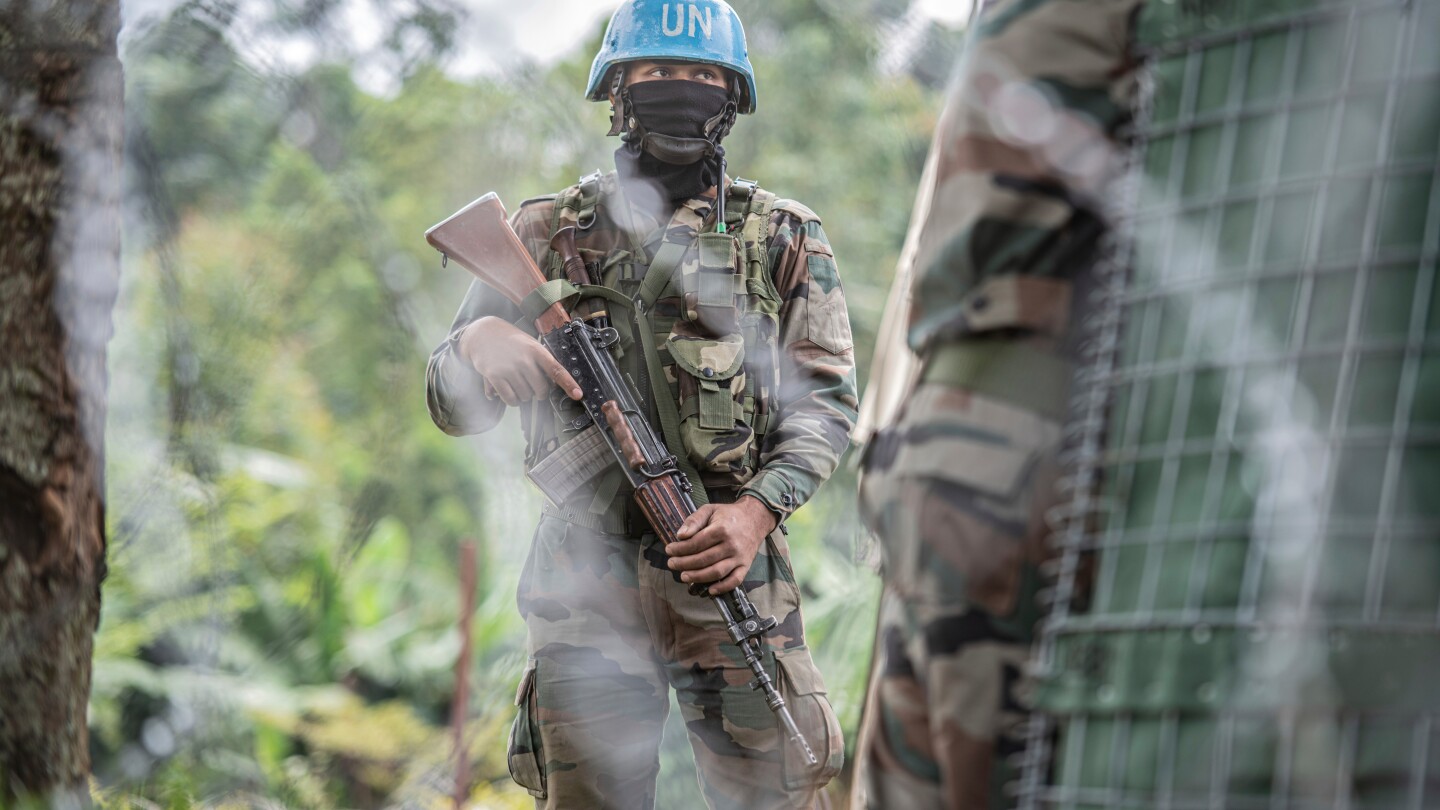
In a unanimously adopted resolution on Friday, the UN’s most powerful body denounced the ongoing offensive by the Rwanda-backed M23 rebel group and explicitly demanded that Kigali cease all support for the insurgents and immediately withdraw its forces from Congolese territory. The resolution maintains approximately 11,500 UN military personnel in the country under the MONUSCO peacekeeping mission.
The diplomatic developments coincide with contested claims regarding the strategic city of Uvira in eastern Congo. While M23 rebels announced a withdrawal from the city they seized last week, Congolese authorities dismissed the move as “staged” and asserted that rebel forces remain present. U.S. Deputy Ambassador Jennifer Locetta addressed the Security Council, demanding M23 immediately retreat at least 75 kilometers (47 miles) from Uvira.
This escalation occurs despite a U.S.-mediated peace agreement signed earlier this month by the presidents of Congo and Rwanda in Washington. Notably, the accord did not include the M23 rebel group, which has been conducting separate negotiations with Congolese officials. The agreement obligates Rwanda to terminate support for armed groups like M23 and work toward ceasing hostilities.
According to UN experts, the Congo government, and United States officials, Rwanda has been backing M23, which has dramatically expanded from hundreds of fighters in 2021 to approximately 6,500 combatants today. Eastern Congo, particularly the mineral-rich border region with Rwanda, remains contested by more than 100 armed groups, with M23 being the most prominent. The protracted conflict has created one of the world’s most severe humanitarian crises, displacing over 7 million people according to UN refugee agencies.
The MONUSCO force, which arrived in Congo in 2010, faces growing local frustration. Many Congolese citizens report feeling unprotected from rebel attacks, leading to sometimes deadly protests against the UN mission. In response to these concerns and at the request of the Congolese government, the Security Council previously voted unanimously in 2023 to begin drawing down the peacekeeping force and gradually transferring security responsibilities to national authorities.