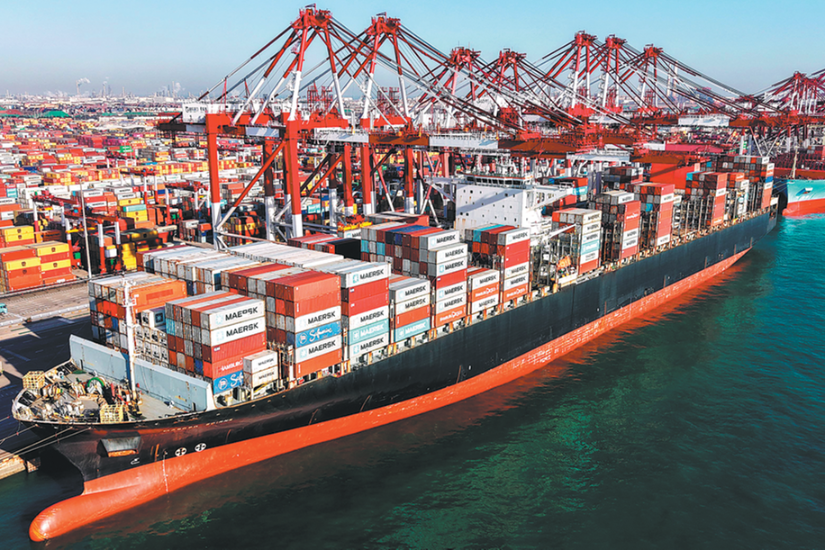
The United Nations has projected a global economic expansion of 2.7 percent for 2026, according to its World Economic Situation and Prospects 2026 report released Thursday. This figure represents a marginal deceleration from the 2.8 percent growth estimated for 2025 and remains substantially below the pre-pandemic average of 3.2 percent, indicating a prolonged period of moderated economic performance worldwide.
Regional economic trajectories reveal significant variations. The United States is anticipated to maintain relative stability with 2 percent growth in 2026, slightly improving from 1.9 percent in 2025, bolstered by monetary and fiscal easing measures. Conversely, the European Union faces a downturn to 1.3 percent growth in 2026 from 1.5 percent, constrained by elevated U.S. tariffs and persistent geopolitical uncertainties affecting export performance.
East Asia demonstrates resilient yet slowing expansion at 4.4 percent for 2026, down from 4.9 percent, as the temporary stimulus from front-loaded exports diminishes. Japan’s economy is expected to grow modestly at 0.9 percent. South Asia maintains robust growth at 5.6 percent, primarily driven by India’s strong 6.6 percent expansion, though this represents a slight easing from regional performance in 2025.
Notable improvements are forecast for Western Asia, with GDP growth accelerating to 4.1 percent from 3.4 percent. Africa projects a marginal uptick to 4 percent growth despite confronting substantial challenges including high debt burdens and climate-related disruptions. Latin America and the Caribbean anticipate moderate growth of 2.3 percent, slightly down from 2.4 percent, supported by steady consumer demand and gradual investment recovery.
The Commonwealth of Independent States and Georgia demonstrate remarkable stability with 2.1 percent growth projected for 2026, maintaining pace despite ongoing macroeconomic pressures from the Ukraine crisis.
Global trade exhibited unexpected resilience in 2025, expanding 3.8 percent despite policy uncertainties and rising protectionist measures, fueled by early-year shipment surges and vigorous services trade. However, this momentum is expected to moderate significantly to 2.2 percent growth in 2026, reflecting broader economic headwinds.