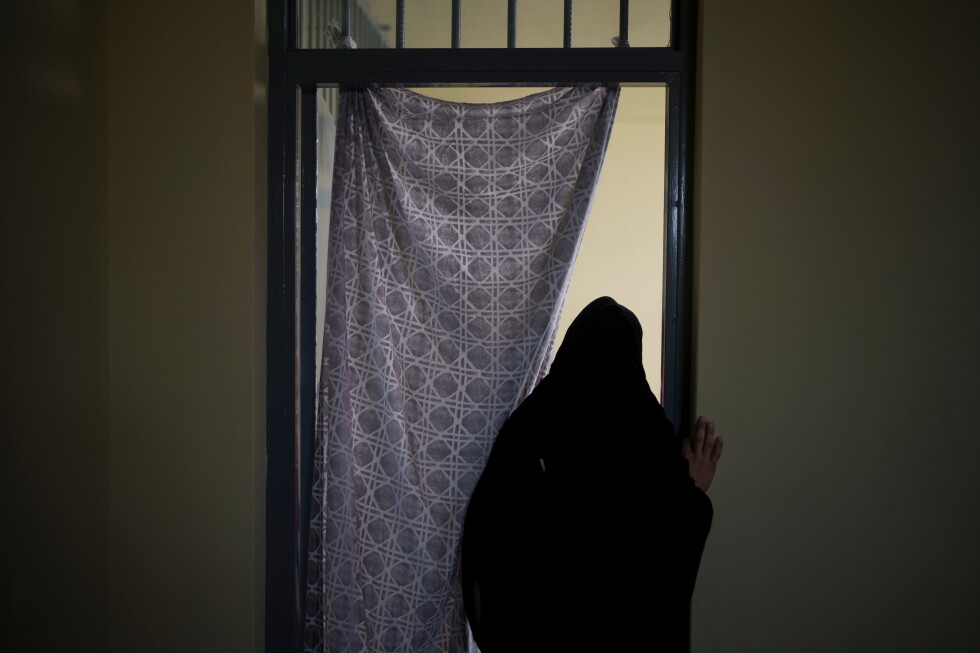
Less than three years after the Taliban retook control of Afghanistan amid the chaotic withdrawal of U.S.-led coalition forces, new reports of arbitrary detentions of women in the western city of Herat have reignited global condemnation of the hardline government’s sweeping gender restrictions, with the United Nations formally flagging serious human rights risks over the incident.
The UN Assistance Mission in Afghanistan (UNAMA) first issued its warning on the social platform X on Sunday night, confirming that the recent wave of arrests and detentions in Herat has sparked “serious human rights concerns.” In its statement, the mission reminded Afghanistan’s de facto ruling authorities that all Afghans, regardless of gender, are guaranteed the right to freedom of movement and equal treatment under international human rights law. This is not the first time UNAMA has raised alarm over such detentions: the mission similarly condemned arbitrary arrests of women for dress code non-compliance in Kabul last year, though the de facto government rejected those claims as well.
While UNAMA has not released specific details on the latest incident to the public, an anonymous human rights monitor, who spoke on condition of anonymity due to restrictions on sharing information with external media, confirmed Monday that independent observers have verified at least 16 detentions across Herat since the previous Friday. The list of detainees reportedly includes a pregnant woman, all held exclusively over allegations that they failed to comply with the Taliban’s strict public dress regulations for women.
The crackdown followed a formal notification issued just days earlier: on Friday, Herat mosque imams delivered announcements during weekly Friday prayers on behalf of Afghanistan’s Ministry for the Propagation of Virtue and the Prevention of Vice, the governing body tasked with enforcing the Taliban’s strict social rules. The announcement reminded local women that they are prohibited from leaving their homes unless they wear mandatory hijab, and the detentions began within hours of the public notice, according to the monitor.
The Afghan virtue and vice ministry has pushed back against the claims, dismissing all reports of mass arrests as “unfounded rumors” in an official statement. At the same time, the ministry reaffirmed its commitment to enforcing the dress rules, noting that “hijab is a divine command, a law that we are obliged to implement.” Under current Taliban regulations, women in public must wear a full hijab that covers the entire body, plus a face covering that leaves only the eyes exposed. In response to the rule, many Afghan women have adopted COVID-style face masks as a practical way to meet the face covering requirement while going about daily life.
Since retaking full control of Afghanistan in August 2021, the Taliban government has implemented a series of increasingly draconian restrictions targeting women and girls across every sphere of public life. Beyond the strict public dress code, these rules include a total ban on secondary and university education for girls and women, severe restrictions that bar women from nearly all professions outside of a small number of sectors like healthcare and education, and additional limits on women’s access to public spaces including parks, gyms and beauty salons. The sweeping restrictions have been widely condemned by the international community and human rights organizations, which have repeatedly called on the Taliban to reverse the policies that have systematically excluded half of Afghanistan’s population from public life.