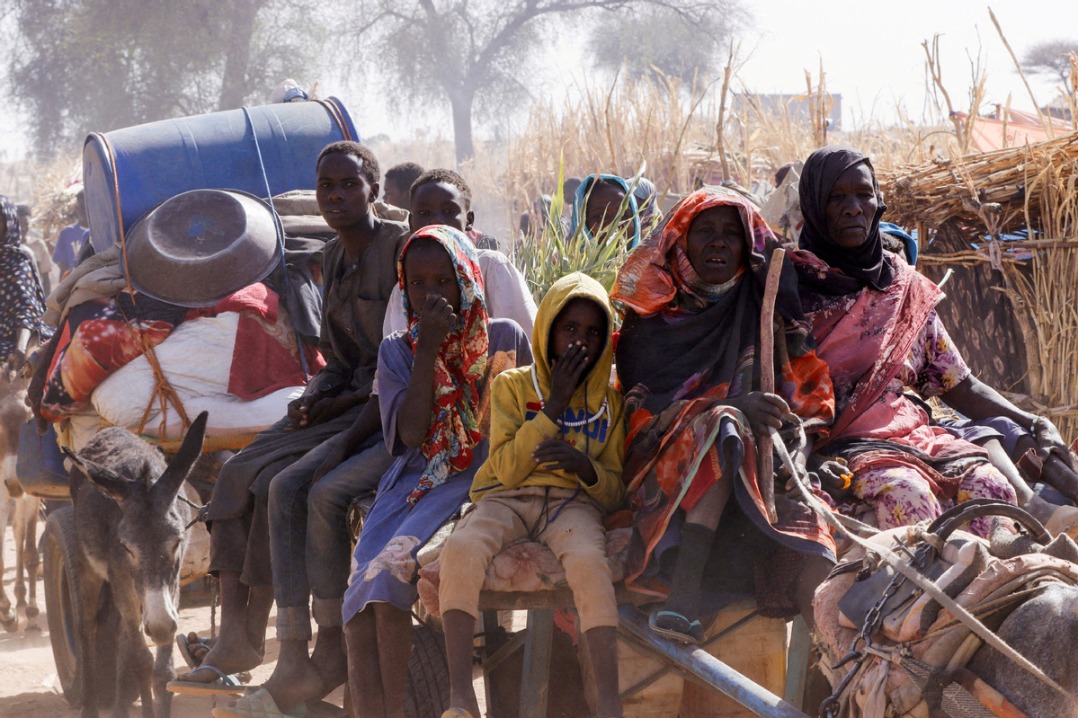
A damning United Nations report has exposed the systematic massacre of civilians during a paramilitary assault on a displacement camp in Sudan’s Darfur region, revealing one of the conflict’s most brutal episodes.
According to findings released Thursday by the UN Office of the High Commissioner for Human Rights (OHCHR), Sudan’s Rapid Support Forces (RSF) killed at least 1,013 civilians during a three-day offensive against the Zamzam displacement camp in North Darfur from April 11-13, 2025. The investigation uncovered a ‘consistent pattern’ of grave breaches of international humanitarian law and egregious human rights violations.
The methodology of the killings demonstrates deliberate targeting of non-combatants. Among the victims, 319 individuals were summarily executed either within the camp confines or while attempting to flee the violence. Additional fatalities occurred during systematic house-to-house searches, with civilians slaughtered in their homes, as well as in public spaces including the main marketplace, educational institutions, medical facilities, and places of worship.
The report further documented extensive conflict-related sexual violence, with at least 104 survivors—comprising 75 women, 26 girls, and three boys, predominantly from the Zaghawa ethnic group—enduring severe sexual abuse. These atrocities included rape, gang rape, and sexual slavery perpetrated both during the initial attack and along escape routes from the camp.
In the preceding months, the RSF had imposed a crippling siege on Zamzam, deliberately severing access to food, water, fuel, and other essential supplies while targeting humanitarian aid convoys. The deprivation became so severe that families resorted to feeding their children animal feed to ensure survival.
UN High Commissioner for Human Rights Volker Turk characterized the attacks as potential war crimes, stating that ‘deliberate killing of civilians or persons hors de combat may constitute the war crime of murder.’ He demanded an impartial, thorough investigation and emphasized that perpetrators of serious violations must face accountability through fair judicial proceedings.
Turk described these ‘horrific violations, committed with impunity’ as consistent with patterns documented during the RSF’s takeover of El Fasher in October. He presented the findings as a ‘stark reminder’ of the urgent necessity to break cycles of atrocities, ensure accountability, and provide reparations to victims.
The High Commissioner renewed appeals for international action, urging all states to prevent crimes under international law and pressure conflict parties to cease violence across Darfur, Kordofan, and other regions. He specifically called for halting arms transfers that fuel the conflict and sustained diplomatic engagement to achieve ceasefire agreements and lasting resolution.
The OHCHR report draws from comprehensive monitoring activities, including interviews conducted in July 2025 with 155 survivors and witnesses in eastern Chad, where many sought refuge.
Sudan has been embroiled in devastating conflict since April 15, 2023, when fighting erupted between the Sudanese Armed Forces and the RSF paramilitary group. The ongoing violence has claimed tens of thousands of lives and displaced millions both within Sudan and across its borders, creating one of the world’s most severe humanitarian crises.