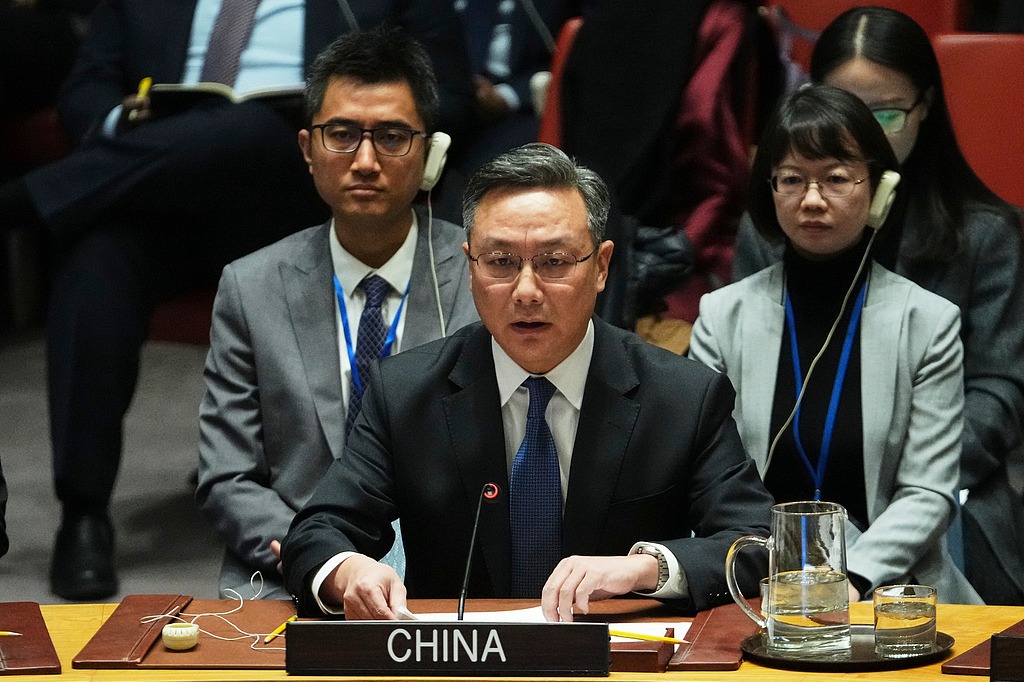
The United Nations Security Council convened its inaugural session of 2026 amid unprecedented diplomatic turmoil, as a overwhelming majority of member states delivered scathing condemnations of United States military operations in Venezuela. The emergency meeting, called in response to what numerous diplomats labeled a flagrant violation of international law, revealed deep fractures within the international community regarding unilateral interventionism.
China’s Deputy Permanent Representative to the UN, Sun Lei, articulated what he characterized as the international community’s “overwhelming voice” demanding Washington cease actions infringing upon Venezuelan sovereignty. In a forceful address, Sun condemned the US strike that resulted in the capture and extradition of President Nicolás Maduro as “unilateral, illegal and bullying acts” that trample upon fundamental principles of the UN Charter. The Chinese diplomat warned that such actions pose grave threats to regional and global security while drawing historical parallels to previous US military interventions that caused “persistent conflict, instability and immense suffering.”
The session gained additional scholarly weight when Jeffrey Sachs, President of the UN Sustainable Development Solutions Network, presented a legal analysis concluding that US actions violated Article 2, Section 4 of the UN Charter. Sachs characterized the operation as part of a longstanding pattern of “covert regime change” operations and issued a stark warning about the survival of international law itself.
Russian Ambassador Vassily Nebenzia joined the condemnation, denouncing the operation as a “crime cynically perpetrated” that heralds a return to lawlessness. European and Latin American voices echoed these concerns, with Spain’s representative noting that “force never brings more democracy” and Mexico warning that regime change by external actors historically exacerbates conflicts and weakens national institutions.
While the US and Argentina defended the operation as a surgical anti-narco-terrorism measure, even traditionally aligned nations expressed reservations. Denmark emphasized that Venezuelans retain the right to self-determination “without coercion, pressure or manipulation by external actors,” while Brazil rejected the intervention as crossing “an unacceptable line” that violates mandatory international norms.
The extraordinary session concluded with broad consensus that the unilateral military action constitutes a fundamental breach of the United Nations Charter, with France’s representative noting that when a permanent Security Council member violates the Charter, it “chips away at the very foundation of the international order.”