Somalia is confronting an escalating humanitarian emergency with approximately 6.5 million citizens projected to experience crisis-level food insecurity by March’s end, according to joint assessments by the federal government and United Nations agencies. The alarming data, compiled in the Integrated Food Security Phase Classification report, reveals a multifaceted crisis driven by compounding factors including severe drought conditions, ongoing conflict, and drastic reductions in global humanitarian funding.
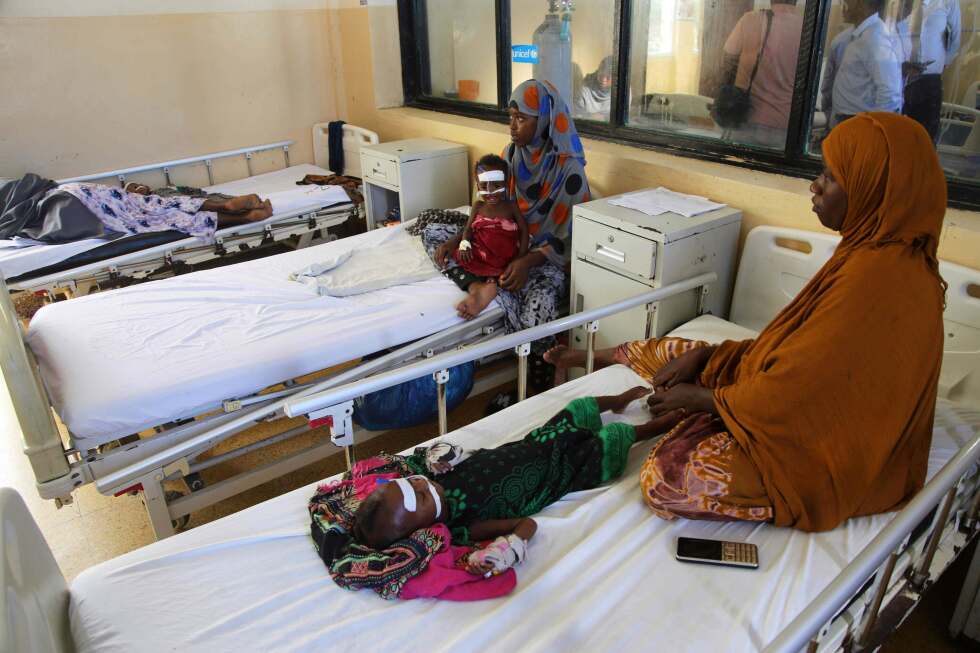
The nutritional outlook appears particularly dire for children, with estimates indicating 1.84 million children under five will likely suffer acute malnutrition throughout 2026. Within this vulnerable demographic, nearly 500,000 are expected to experience severe malnourishment requiring urgent medical intervention.
Environmental factors have significantly exacerbated the situation, with below-average rainfall creating widespread agricultural failures, substantial livestock losses, and critical water shortages. These conditions have triggered dramatic food price increases and forced approximately 278,000 people from their homes between July and December, further disrupting agricultural production and market accessibility.
UN Humanitarian Coordinator for Somalia George Conway characterized the drought emergency as ‘deepening alarmingly,’ noting the convergence of exorbitant water prices, diminished food supplies, and inadequate humanitarian funding. Conway emphasized that immediate lifesaving assistance remains essential throughout the coming months, particularly as no meaningful rainfall is anticipated before the primary rainy season commencing in April.
Even with average rainfall performance during the April-June period, officials project 5.5 million people will remain in crisis conditions throughout later 2026, noting that recovery from such extreme drought requires substantial time.
Mohamud Moallim Abdulle, Commissioner of the Somalia Disaster Management Agency, described the situation’s severity as ‘undeniable and deeply alarming,’ issuing urgent appeals to international partners, the Somali diaspora, private businesses, and civil society organizations to intensify support efforts.
The coordinated response capacity has been severely hampered by funding reductions, forcing humanitarian organizations to scale back or completely suspend critical programs addressing food security, health services, nutrition support, and water sanitation infrastructure.