The United Nations General Assembly has overwhelmingly approved the creation of a 40-member global scientific panel dedicated to assessing the impacts and risks of artificial intelligence. The Thursday vote saw 117 nations in favor, with only the United States and Paraguay voting against the initiative, while Tunisia and Ukraine abstained.
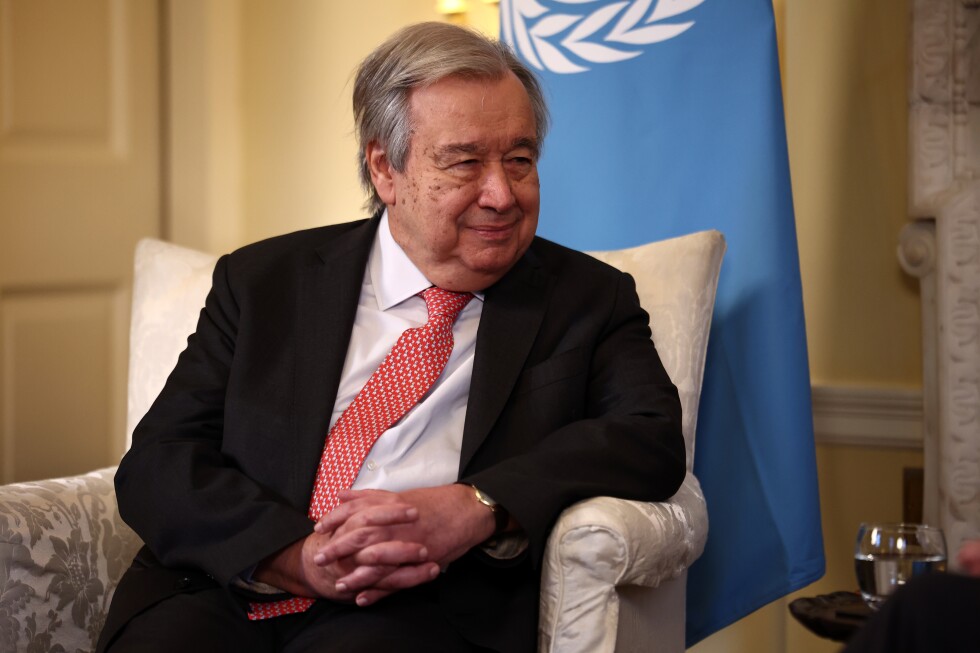
UN Secretary-General Antonio Guterres, who established the panel, hailed the decision as “a foundational step toward global scientific understanding of AI.” He emphasized that the fully independent scientific body would provide rigorous, independent insight enabling all member states to engage on equal footing regardless of technological capacity.
The United States Mission strongly objected to the panel, with counselor Lauren Lovelace characterizing it as “a significant overreach of the UN’s mandate and competence.” Lovelace stated that AI governance should not be dictated by the UN and expressed concerns about authoritarian regimes potentially influencing international bodies to impose “controlled surveillance societies.”
Panel members were selected from over 2,600 candidates through an independent review process involving the International Telecommunications Union, the UN Office for Digital and Emerging Technologies, and UNESCO. The diverse panel includes predominantly AI experts alongside professionals from other disciplines, including Nobel Peace Prize laureate Maria Ressa, a Filipino journalist.
Notable appointments include two American experts: University of Minnesota professor Vipin Kumar and retired University of Colorado professor Martha Palmer. The panel also features two Chinese specialists: Shanghai Jiao Tong University dean Song Haitao and Chinese Academy of Engineering cloud-computing expert Wang Jian.
Ukraine cited its objection to Russian AI regulation expert Andrei Neznamov’s inclusion as the reason for its abstention. Panel members will serve three-year terms focused on bridging knowledge gaps and assessing AI’s real-world economic and social impacts.