The United Kingdom has ignited fresh controversy over its entry policies targeting foreign critics of Israel, after barring two high-profile American political commentators from entering the country just days ahead of their scheduled public appearances.
Cenk Uygur, the founder and lead host of progressive digital news network The Young Turks, announced on social media over the weekend that he was blocked from boarding a commercial flight bound for London. Uygur was scheduled to speak at the inaugural SXSW London festival and deliver a public lecture at the University of Oxford this week. He directly blamed British officials for the decision, saying the ban was a direct response to his longstanding public criticism of the Israeli government. “I’ve been banned from the UK,” Uygur wrote on his social media platform. “I tried to get on a flight to London to attend SXSW London and give a speech at Oxford. I’ve been banned for criticizing Israel.”
Following Uygur’s announcement, his nephew, prominent political commentator and Twitch streamer Hasan Piker, confirmed that British authorities had also revoked his travel authorization. Piker, who was also set to appear as a speaker at SXSW London, claimed the move was made “at the behest of Israel.”
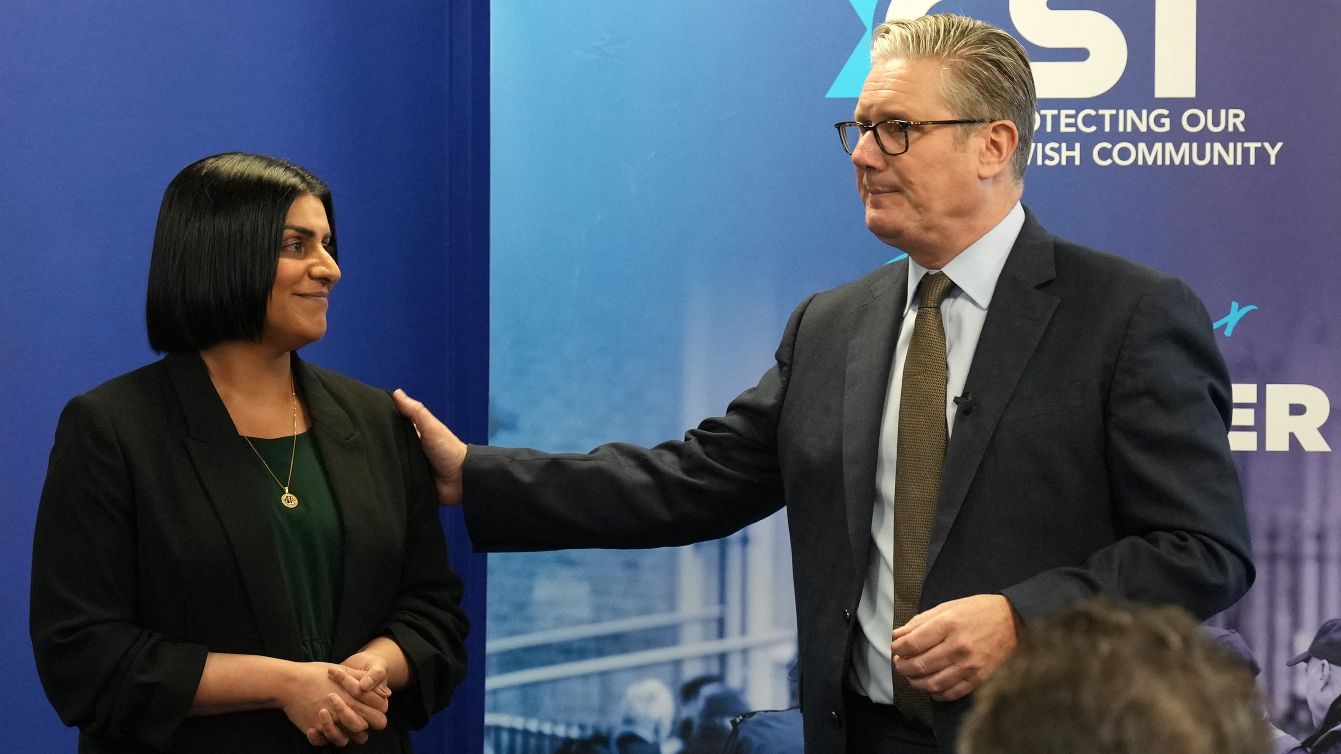
According to a reporting from The Times, UK Home Secretary Shabana Mahmood personally approved the cancellation of Uygur’s Electronic Travel Authorisation (ETA) after concluding that his entry into the country would not be “conducive to the public good.” Multiple factors informed the decision, The Times reported, chief among them concerns that Uygur’s public comments since the October 7, 2023, Hamas attack on Israel could fuel antisemitic sentiment and exacerbate intercommunal tensions across the UK. Uygur has repeatedly denounced Israel’s ongoing military campaign in Gaza, labeling the operation a genocide against Palestinian civilians.
This latest series of entry bans is not an isolated action, but part of a broader escalation of scrutiny by the UK Home Office against foreign speakers deemed to pose a risk to domestic public order. Back in April, the British government launched a dedicated cross-agency task force with the explicit mandate of blocking high-risk individuals from entering the country. That same month, the UK barred American Muslim scholar and preacher Dr. Shadee Elmasry just days before he was set to deliver a series of talks across multiple UK cities. Mahmood revoked Elmasry’s travel authorization over social media posts he made criticizing Western governments’ military and diplomatic support for Israel in the wake of the October 7 attacks.
In his post, Elmasry wrote that Western leaders were feigning shock over the Hamas assault after 50 years of Israeli occupation of Palestinian territories. “They are all in this (fake or real) state of shock that the people of Gaza finally punched back (after 50 years),” Elmasry posted. The scholar has since pushed back against the ban, saying his public messaging has always centered on compassion and intercommunity connection.
The string of entry restrictions has sparked intense debate over freedom of speech in the UK, with critics arguing that the government is prioritizing political alignment over the right to open debate about the Gaza conflict, while supporters of the policy say it is necessary to prevent the spread of division and hate speech.