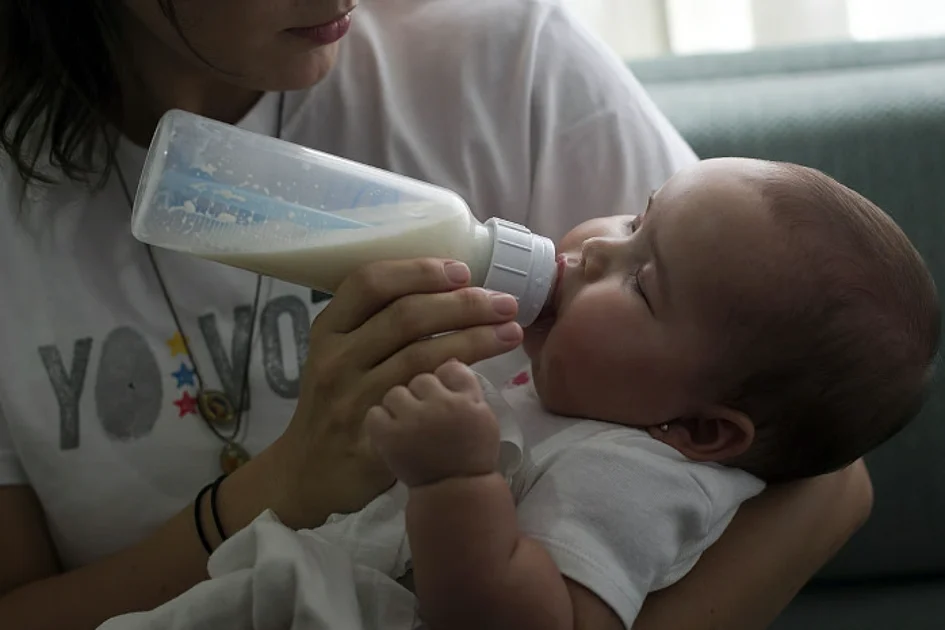
British health authorities have confirmed 36 probable cases of infant poisoning connected to contaminated formula products, sparking nationwide concern over food safety standards. The UK Health Security Agency (UKHSA) disclosed on Thursday that these cases exhibit symptoms consistent with toxin exposure from affected batches of nutritional products.
The contamination crisis began on January 6th when Nestle initiated a massive European recall of several infant nutrition lines, including SMA, BEBA and NAN formulas, following the discovery of potential toxin contamination. The compromised products were found to contain substances capable of inducing severe nausea and vomiting in infants. Subsequently, Danone expanded the recall effort two weeks later by withdrawing one batch of its Aptamil infant formula.
UKHSA officials indicated that the widespread distribution of these products prior to their removal from shelves made additional cases inevitable. Despite issuing urgent alerts to healthcare facilities nationwide, the agency acknowledged the challenge in containing exposure given the products’ previous market penetration.
Notably, current surveillance data reveals no abnormal increases in vomiting reports among children under one year old compared to seasonal norms. However, UKHSA maintains heightened vigilance through continuous monitoring of public health indicators. The agency emphasizes that while the risk has been substantially reduced through recall actions, healthcare providers should remain alert for potential late-presenting cases.
The incident has triggered rigorous quality control reassessments within the infant nutrition industry and prompted calls for strengthened food safety protocols across European markets.