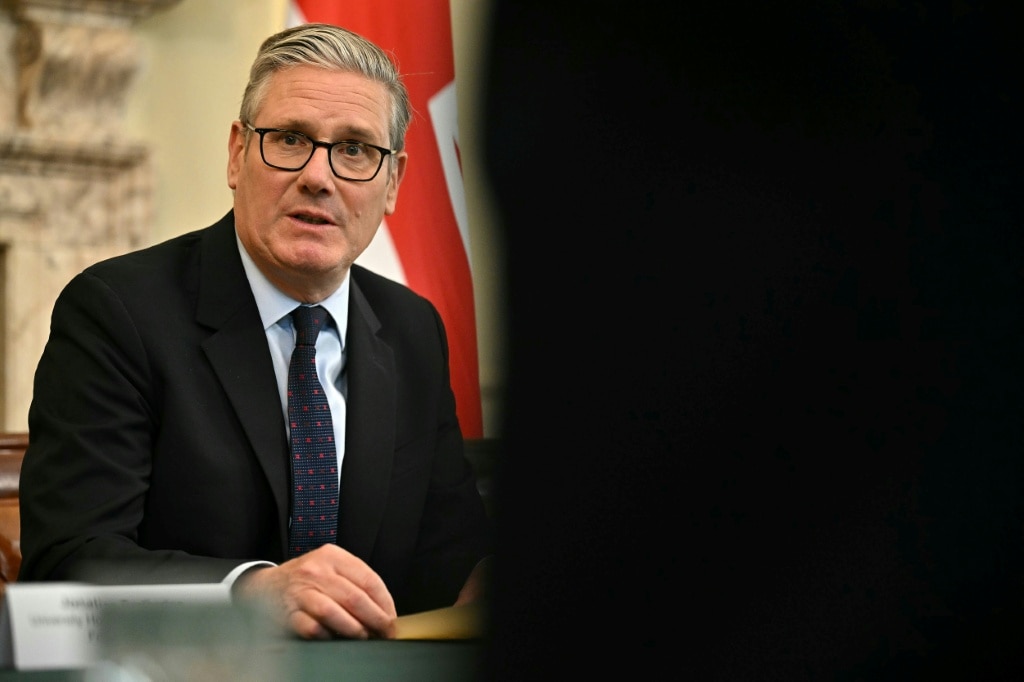
In a shocking move that has sent ripples through British politics, Defence Secretary John Healey stepped down from his post Thursday, launching a blistering rebuke of Prime Minister Keir Starmer and the UK Treasury over what he calls insufficient funding commitments for national defence. The sudden exit comes after months of repeated delays to the Labour government’s much-anticipated 10-year Defence Investment Plan (DIP), a policy framework the prime minister has yet to publicly release.
In a resignation letter published on his X social media account, Healey made clear his frustrations with the leadership: “You have been unable, and the Treasury has been unwilling, to commit the resources that the nation needs to defend the country at this time of rising threats.” He added that after warning Starmer he would not sign off on a DIP that failed to deliver adequate funding for British armed forces, he had no choice but to resign, warning that the underfunded proposal would leave Britain “less safe” amid growing global security risks.
Within hours of Healey’s announcement, two more members of the defence team resigned: Armed Forces Minister Al Carns, who has previously been named as a potential Labour leadership contender, and Pamela Nash, a senior aide to Healey. The resignations mark a significant blow to Starmer’s already fragile authority, coming just one week ahead of a critical by-election that could open the door to a leadership challenge.
Starmer responded quickly to Healey’s departure, pushing back against the criticism in a reply letter. The prime minister insisted his proposed spending plans would allow the UK armed forces to undergo necessary transformation and modernization, adding, “I will always do what is needed to keep our country safe.” He has repeatedly reaffirmed his commitment to publishing the DIP ahead of the NATO summit scheduled to take place in Turkey on July 7, despite repeated delays that have frustrated defence industry stakeholders and security experts.
Starmer’s centre-left Labour government took power in July 2024, ending 14 years of Conservative Party rule. It campaigned on a promise to increase defence spending and prioritize NATO alliance commitments, a pledge that comes as Russian threats to European security grow and former U.S. President Donald Trump continues to pressure NATO allies to shoulder more of the cost of collective defence, reducing reliance on Washington.
The prime minister has publicly pledged to raise UK defence spending to 2.5% of gross domestic product starting next year, with planned increases to 3% by 2029 if Labour wins re-election, and a final target of 3.5% by 2035. But behind the scenes, media reports have long pointed to deep internal discontent over the fine print of the spending plan. Healey revealed in his letter that he only received full access to the DIP draft earlier this week, and the proposal only projects defence spending will reach 2.68% of GDP by 2030, falling far short of public commitments. A source close to the former defence secretary added that the Treasury’s offer failed to set any firm timeline for reaching the 3% spending target. Calling the current proposal inadequate for Britain’s current security challenges, Healey said the plan fell “well short of what is required for defence and the country at this dangerous time”.
Tan Dhesi, Labour MP and chair of the UK Parliament’s Defence Select Committee, urged the government to treat Healey’s warning “with the utmost seriousness”, describing the resignation as “a grave moment” for the government.
The political pressure on Starmer is already mounting ahead of next Thursday’s by-election in the Makerfield parliamentary constituency, where Greater Manchester Mayor Andy Burnham is running for a seat. Both Burnham and former Health Secretary Wes Streeting, who resigned last month in the wake of disastrous local election results for Labour, have confirmed they would run in any future Labour leadership contest, though no challenge has formally been launched yet. While Healey has also been named as a potential leadership contender, there is no immediate evidence linking his resignation to leadership plotting.
Political analysts warn the resignations have exposed deep divisions within Starmer’s government that further erode his standing. Patrick Diamond, a politics professor at Queen Mary University of London, told AFP the development “underlines that Starmer has become a lame duck prime minister who cannot get decisions through his own government”.
Ed Arnold, senior associate fellow at the Royal United Services Institute (RUSI), a leading UK defence and security think tank, noted that Healey’s resignation “creates a sequence of political headaches” for Starmer. The prime minister must first quickly fill the vacant defence secretary post, then work to shore up internal support to finally get the delayed defence investment plan over the line for publication ahead of the NATO summit, a task that has grown far more difficult in the wake of the resignations.