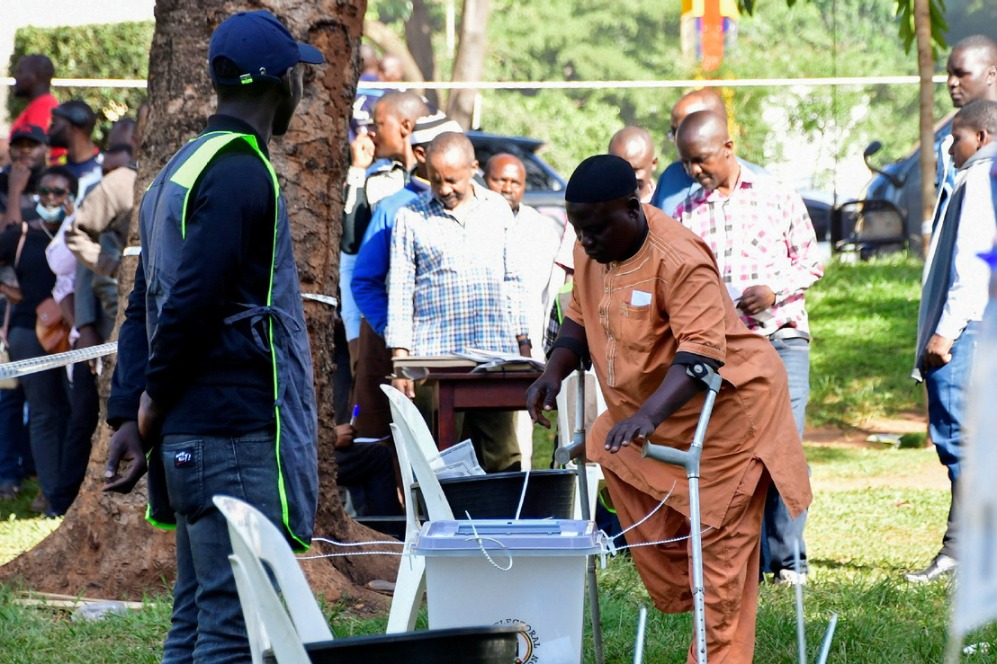
Uganda embarked on a pivotal electoral process Thursday amid heightened tensions as long-serving President Yoweri Museveni pursued an unprecedented seventh term in office. The East African nation’s general election pits the 81-year-old incumbent against charismatic opposition leader Robert Kyagulanyi Sentamu, popularly known as Bobi Wine, who has mobilized the country’s substantial youth demographic in his bid for power.
The electoral contest features eight presidential candidates competing to lead Uganda for the next five years, with approximately 21.7 million registered voters participating across 50,739 polling stations nationwide. Beyond the presidency, Ugandans are simultaneously selecting representatives for 353 parliamentary constituency seats, 146 District Woman Representative positions, and numerous local government roles.
Campaign rhetoric has highlighted starkly different visions for Uganda’s future. President Museveni, representing the National Resistance Movement, has positioned himself as the guardian of national stability and continued development. Conversely, Bobi Wine’s National Unity Platform has centered its campaign on combating systemic corruption and implementing comprehensive governmental reforms.
The electoral environment has been marked by significant digital restrictions, with Ugandan authorities implementing an internet blackout citing concerns about misinformation dissemination, potential electoral fraud, and prevention of violence incitement. This decision by the Communications Commission has drawn international scrutiny as polling commenced.
Voting procedures will continue until 4 PM local time Thursday, with electoral officials confirming that any voters in queue at closing time will be permitted to cast their ballots. The electoral commission anticipates announcing presidential results within approximately 48 hours after polling concludes, setting the stage for a potentially contentious outcome declaration.
The 2026 election represents a critical juncture in Uganda’s political evolution, testing the durability of Museveni’s 40-year administration against growing demands for change from the country’s youthful majority population.