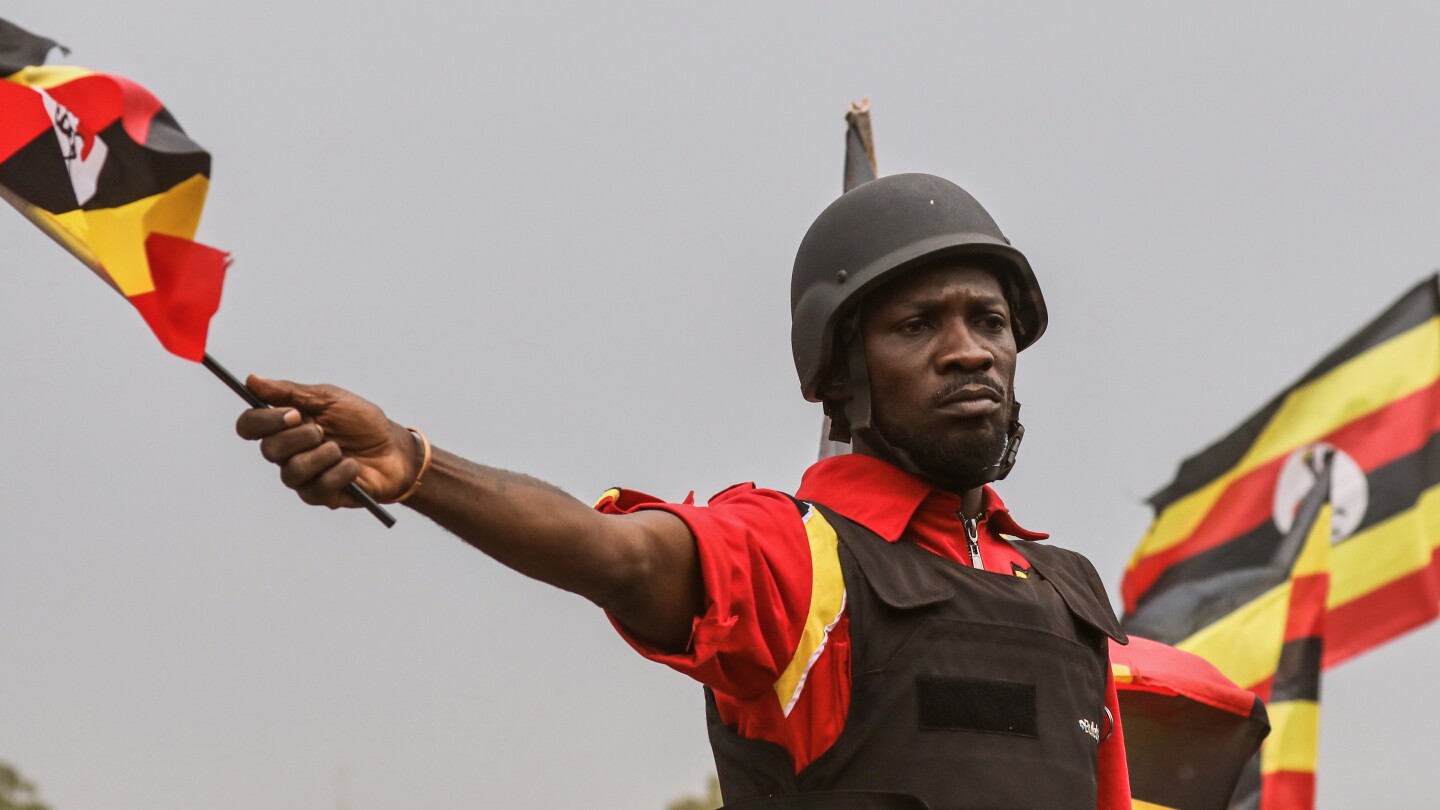
KAMPALA, Uganda — Ugandans head to the polls Thursday in a high-stakes presidential election marked by unprecedented digital censorship and military mobilization. President Yoweri Museveni, Africa’s second-longest serving leader who seized power in 1986, seeks a seventh term that would extend his nearly four-decade rule. His primary challenger is 43-year-old musician-turned-legislator Bobi Wine (born Robert Kyagulanyi), who embodies a generational shift and widespread yearning for political change.
The electoral landscape has been dominated by three critical developments: a nationwide internet shutdown implemented Tuesday by the Uganda Communications Commission, massive military deployments across the capital Kampala, and an opposition strategy urging voters to physically protect polling stations against alleged tampering. The internet suspension, justified by authorities as necessary to combat ‘misinformation and electoral fraud,’ has severely hampered pro-democracy activists’ ability to document alleged irregularities.
Security forces have transformed Kampala into a fortified zone, with armored vehicles and patrolling soldiers becoming ubiquitous. Military spokesman Colonel Chris Magezi maintains these measures aim to deter violence, rejecting characterization of the mobilization as anti-democratic. Meanwhile, Wine’s National Unity Platform party has instructed supporters to remain near polling stations after voting—a tactic that has created tension with electoral officials who urge voters to return home.
The election also highlights concerns about hereditary succession. Museveni’s son, General Muhoozi Kainerugaba, commands Uganda’s military and has openly expressed presidential ambitions. The four-star general has previously made inflammatory social media statements about opposition figures, including threats against Wine and former presidential candidate Kizza Besigye.
With 21.6 million registered voters choosing among eight presidential candidates, analysts predict Museveni will likely extend his rule despite growing discontent over economic challenges and democratic backsliding. The United Nations Human Rights Office has documented ‘widespread repression’ including abductions and disappearances of opposition supporters during the campaign period.