The United Arab Emirates is experiencing a fundamental transformation in its real estate sector, with Sharjah emerging as a pioneering testing ground for sustainable community development. This paradigm shift represents a dramatic departure from traditional housing models, as buyers now demand integrated lifestyle features that combine environmental responsibility, wellness design, and long-term investment value as standard offerings rather than premium additions.
Sharjah’s real estate market demonstrates remarkable momentum, attracting international investors while fundamentally reimagining urban development principles. The emirate recorded over 6,600 investors from 109 nationalities in the first half of 2025, with transactions exceeding Dh27 billion during this period. This growth is underpinned by a structural evolution in development philosophy that aligns with global sustainability trends while addressing local lifestyle priorities.
The groundbreaking Sharjah Sustainable City stands as a testament to this transformation. Spanning 7.2 million square feet with approximately 1,250 villas, this community has established new benchmarks for low-emission living. Every residence incorporates solar panels and energy-efficient appliances, while the development treats all wastewater for irrigation purposes. The comprehensive approach reduces utility consumption significantly while simultaneously lowering carbon emissions.
Beyond technical specifications, the community reshapes daily life through thoughtful urban design. Pedestrian-friendly pathways, abundant green spaces featuring native vegetation, and community facilities encourage sustainable living practices. The development includes a Sustainability Experience Center that educates residents about renewable energy, recycling, and responsible consumption—integrating environmental awareness into the community’s core ethos.
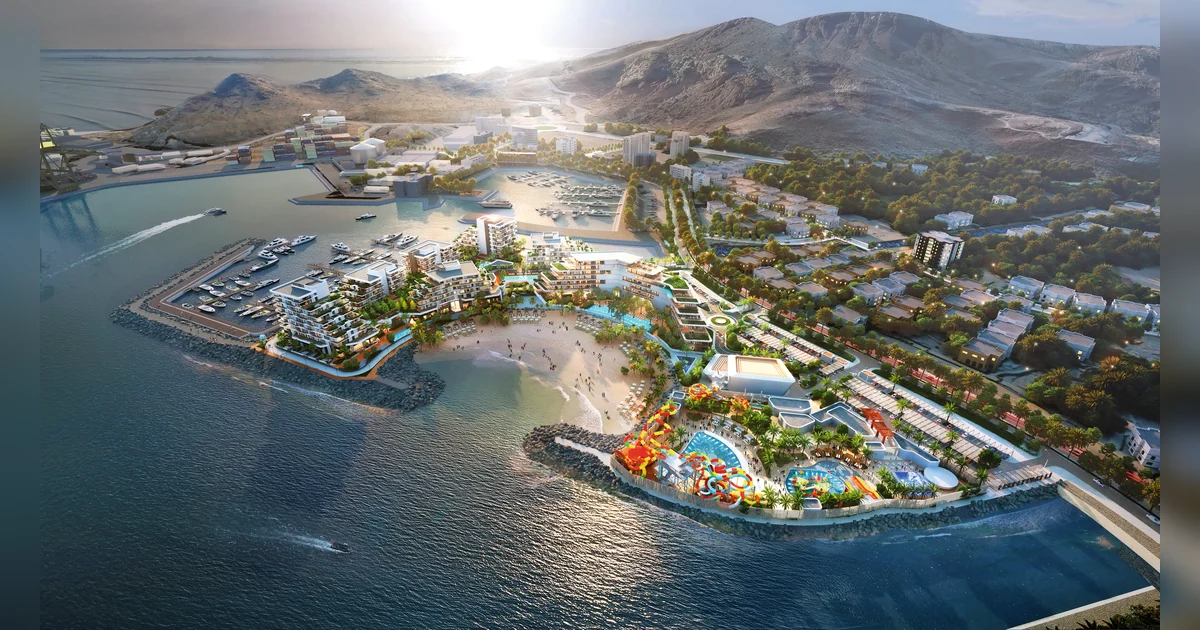
Concurrently, the Ajwan Khorfakkan development represents a parallel shift toward wellness-oriented coastal living. This beachfront project combines dramatic natural surroundings with sophisticated design, responding to growing demand for waterfront communities that serve as both primary residences and retreat spaces. The development’s master plan incorporates shaded walking paths, recreational facilities, and hospitality offerings that emphasize connection to the natural environment.
Market data confirms robust demand for sustainable properties, with reports indicating a 40% increase in demand for eco-friendly residential units since early 2025. Industry experts attribute this growth to improved consumer awareness, increased supply, and strengthened long-term confidence in sustainable investments. Developers are responding by accelerating new project launches that incorporate features such as water recycling systems, solar integration, energy-efficient appliances, and low-emission building materials.
Sharjah’s government has played a crucial institutional role in this transformation through flexible legislation and updated construction standards. The widespread adoption of green concrete in public housing projects has yielded a 30% reduction in energy consumption and an 80% decrease in carbon emissions. This regulatory framework ensures that sustainability innovation extends beyond individual developments to become embedded in the emirate’s broader urban strategy.
The convergence of developer commitment, consumer demand, and government support has established sustainability and wellness as fundamental determinants of real estate success rather than optional design trends. This comprehensive approach creates communities that demonstrate greater resilience to market fluctuations while attracting diverse investor profiles and supporting longer resident retention—ultimately contributing to Sharjah’s broader economic diversification objectives.