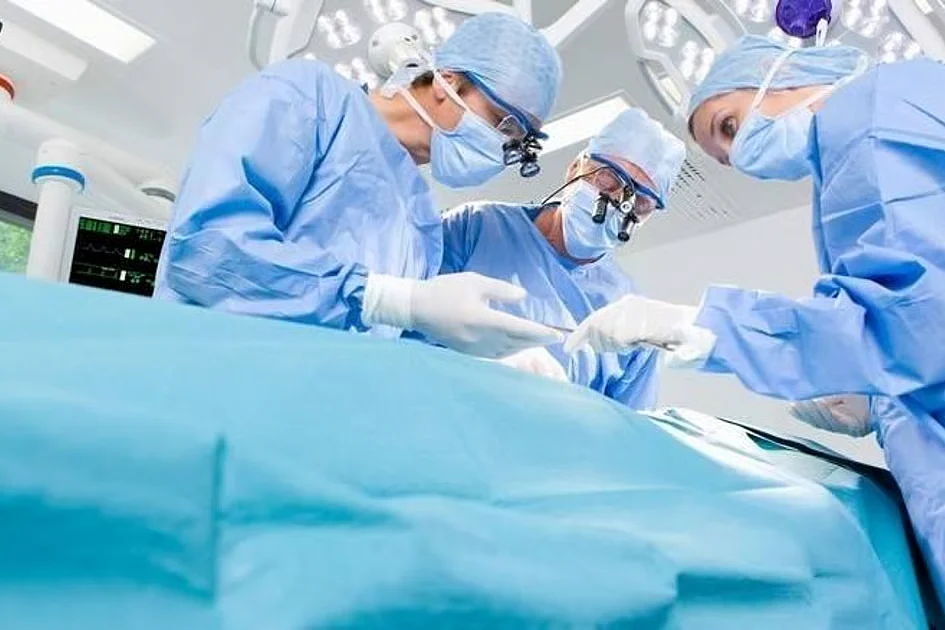
In a groundbreaking medical achievement, a patient from the United Arab Emirates suffering from both beta-thalassemia and severe heart failure has received successful treatment through an innovative combination of heart transplantation and advanced gene therapy. This complex sequential treatment, typically considered high-risk by many medical institutions, represents a significant advancement in precision medicine.
According to Dr. Rabi Hanna, a pediatric cellular therapy specialist at Cleveland Clinic, the medical team employed an innovative approach using the patient’s own stem cells. This methodology enabled physicians to address both the genetic blood disorder and the cardiac condition simultaneously, while eliminating the necessity for long-term immunosuppression following the gene therapy procedure.
Gene therapy functions by correcting defective genes responsible for disease manifestations. For conditions like beta-thalassemia and sickle cell disease, where genetic abnormalities impair healthy red blood cell production, CRISPR gene-editing technology serves as molecular scissors to precisely modify DNA within a patient’s stem cells. These genetically corrected cells are subsequently reintroduced into the body to generate healthy blood cells.
The comprehensive treatment process spans nine to fifteen months, beginning with stem cell collection—which may require multiple cycles—followed by a meticulous six-month manufacturing phase involving genetic modification and rigorous safety testing. Prior to reinfusion, patients undergo myeloablative chemotherapy to clear bone marrow space for the modified cells, a step associated with significant side effects including oral mucositis, infection susceptibility, and potential fertility implications.
Medical researchers are now pioneering base editing techniques, a more precise genetic modification approach that alters individual DNA letters without severing both genetic code strands. Recent BEAM study data presented at American Society of Hematology conferences indicates this method yields faster recovery rates, reduced complications, and shorter hospitalization periods compared to conventional CRISPR treatments.
The medical community is actively developing in vivo gene editing techniques that could potentially eliminate chemotherapy requirements altogether. Parallel research explores antibody-based conditioning as a less toxic alternative to traditional chemotherapy preparation methods.
This medical breakthrough holds particular significance for the Middle Eastern region, where beta-thalassemia prevalence exceeds global averages. Health authorities have long recognized this condition as a substantial inherited blood disorder affecting families throughout the Gulf region and beyond.
Dr. Hanna emphasized that successful long-term outcomes necessitate integrated care approaches involving local hematologists, mental health professionals, and primary care teams alongside specialist centers. Patients require structured annual follow-up monitoring managed through collaborative local and specialist support systems, representing a comprehensive approach to restoring quality of life beyond mere genetic correction.