The United Arab Emirates is solidifying its position as a premier global luxury retail destination, propelled by strategic geopolitical positioning, robust tourism infrastructure, and evolving consumer demographics. According to Deloitte Middle East experts Joerg Meiser and Devi Nilayangode, this transformation results from deliberate economic planning and adaptive retail strategies surpassing traditional luxury capitals.
The nation’s diplomatic equilibrium serves as a foundational advantage, maintaining strong ties with both Western and Eastern economic powers. Trade data reveals substantial commercial engagement, with UAE-US trade reaching $47.9 billion in 2024 while UAE-China trade approached $95 billion in 2023. This balanced positioning creates a stable environment for luxury retailers operating within global supply chains.
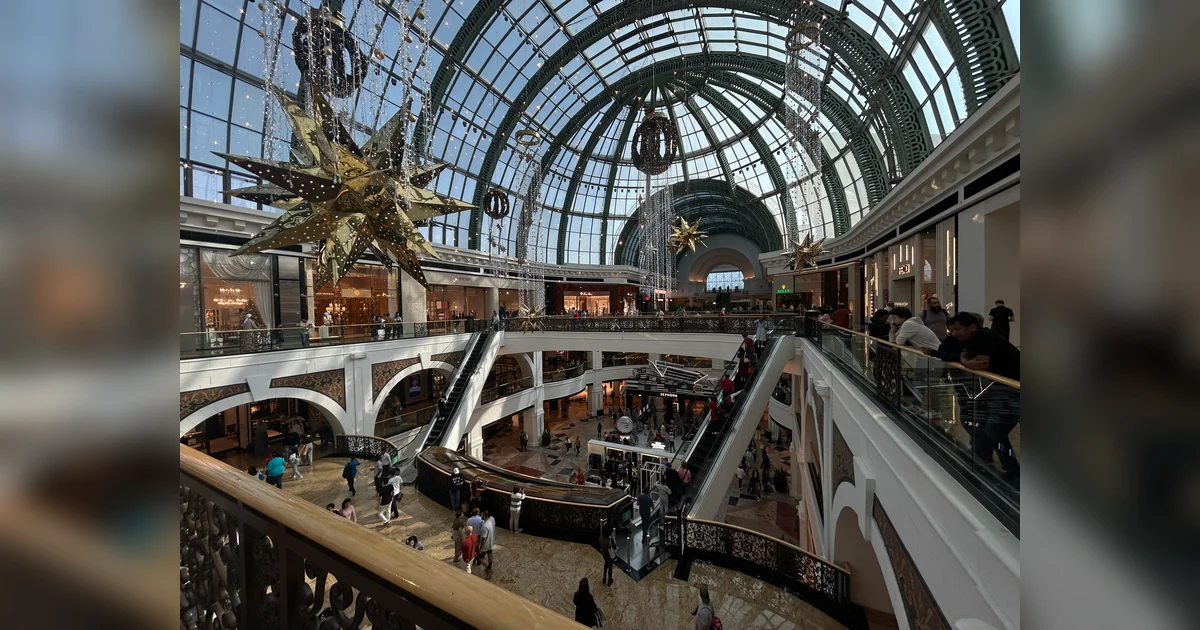
Beyond geopolitics, the UAE has developed sophisticated retail infrastructure that transcends conventional shopping experiences. Dubai Mall’s Fashion Avenue ranks among the world’s top 15 most expensive retail locations, while tourism-driven retail spending accounts for over 40% of all visitor expenditures. The retail landscape extends beyond flagship destinations to include integrated experiences at Yas Mall, cultural waterfront dining at The Galleria, and emerging hubs in Sharjah and Al Ain.
Regulatory advancements have further strengthened the sector’s credibility. The UAE’s removal from the FATF grey-list in early 2024 signaled enhanced financial governance, coinciding with the nation’s leading position in attracting high-net-worth individuals worldwide.
Despite these advantages, the UAE continues developing cultural depth to match established luxury capitals. Unlike Paris and London’s centuries-old fashion institutions, the Emirates are consciously building cultural legitimacy through initiatives supporting immersive activations and high-value experiences.
Capturing the lucrative Chinese luxury market represents a particular opportunity, requiring retailers to adopt digital-first engagement strategies and Mandarin-language services. Meanwhile, family enterprises that traditionally dominated Gulf retail must modernize governance structures and digital capabilities to remain competitive.
The future luxury landscape will increasingly prioritize experiential consumption, wellness integration, and personalized omnichannel engagement. As global wealth transfers to younger generations valuing experiences over mere transactions, the UAE’s evolving ecosystem positions it as both a shopping destination and innovation launchpad for the luxury industry’s next chapter.