The United Arab Emirates is solidifying its position at the forefront of digital trade innovation as transaction volumes on the mBridge platform exceed $55 billion. This groundbreaking multi-central bank digital currency (CBDC) initiative is fundamentally transforming international payment systems by enabling real-time settlements using sovereign digital currencies.
Developed through collaboration between central banks across Asia and the Middle East, mBridge represents a paradigm shift in cross-border financial transactions. The platform connects the People’s Bank of China, Hong Kong Monetary Authority, Bank of Thailand, Central Bank of the UAE, and Saudi Central Bank, with participation from over 20 commercial banking institutions. This coalition bypasses traditional correspondent banking networks, creating a more efficient settlement infrastructure.
Atlantic Council data reveals that mBridge has already processed more than 4,000 cross-border transactions, with settlements occurring in seconds and at minimal transaction costs. Notably, approximately 95% of the total settled value has been conducted using China’s digital yuan, demonstrating both the scale of early adoption and the growing preference for digital currencies in wholesale payments.
The UAE’s strategic engagement with mBridge extends beyond technological advancement. In November 2025, the nation formally launched its live operations with a cross-border payment to China, executed by Vice President and Deputy Prime Minister Sheikh Mansour bin Zayed Al Nahyan. This milestone followed an earlier landmark transaction in January 2024, when Sheikh Mansour initiated the first Digital Dirham transfer to China, sending Dh50 million via the platform.
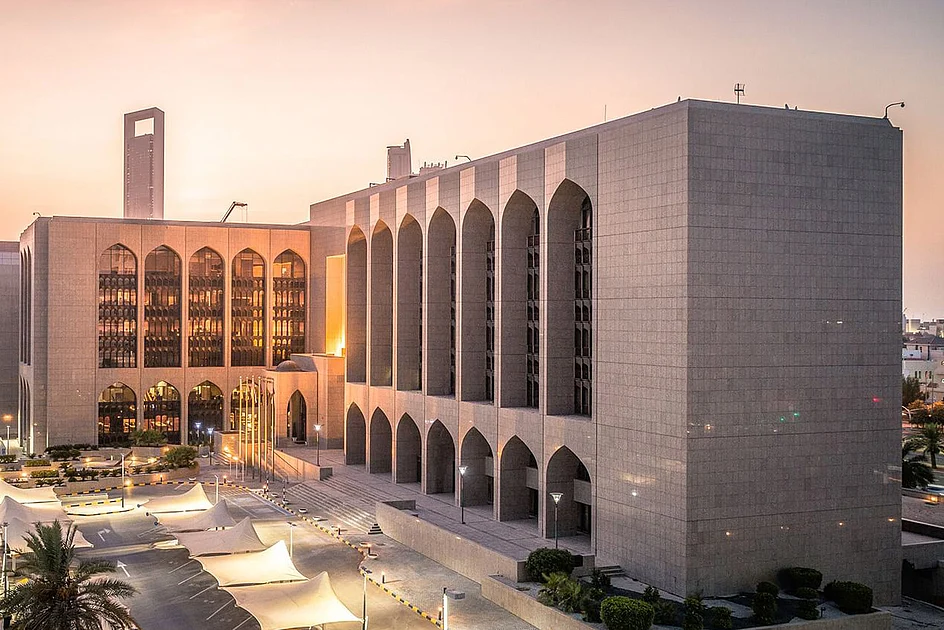
The Central Bank of the UAE anticipates steady growth in mBridge usage as more financial institutions join and payment corridors expand. The platform serves as a cornerstone of the bank’s Financial Infrastructure Transformation programme, which aims to modernize payment systems, enhance financial inclusion, and strengthen the country’s competitiveness as a regional clearing hub.
Unlike conventional transfers that rely on SWIFT messaging and correspondent banks, mBridge enables direct bank-to-bank transactions using tokenized central bank money. This architecture eliminates multiple intermediaries, reduces settlement risk, and compresses processing times from days to seconds. Embedded smart contracts automate compliance checks, foreign exchange conversion, and settlement finality.
Market analysts observe that mBridge’s expanding transaction volumes signal a broader transformation of global payment infrastructure. While the digital yuan currently dominates settlement flows, participation from the UAE and other jurisdictions is enhancing the platform’s multi-currency functionality and establishing foundations for wider CBDC-based trade settlement adoption.
According to People’s Bank of China data, the digital yuan has processed approximately 3.4 billion domestic and cross-border transactions worth around $2.4 trillion. These figures suggest China’s CBDC is transitioning from pilot programs to practical commercial applications, with mBridge providing a crucial international settlement channel.
The Atlantic Council reports that 136 countries are currently exploring CBDCs at various development stages. While few nations have fully launched retail digital currencies, rapid progress with wholesale platforms like mBridge is attracting significant attention from central banks seeking alternatives to legacy payment systems.
For the UAE, mBridge participation reinforces its role as a connector between Asian and Middle Eastern financial markets. As trade flows between the UAE, China, and other Asian economies continue to grow, faster settlement times and reduced transaction costs are expected to deliver substantial benefits for exporters, importers, and financial institutions.
Although analysts suggest mBridge is unlikely to challenge the US dollar’s dominance in global finance immediately, its increasing adoption indicates a gradual shift toward more diversified, technology-driven settlement networks that could reshape international trade dynamics in the coming decades.