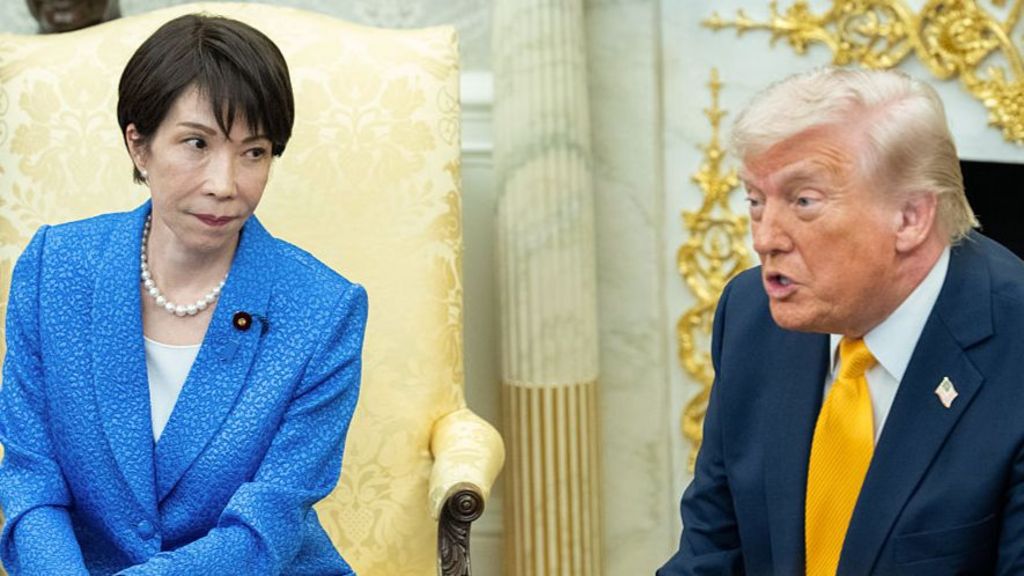
During Japanese Prime Minister Sanae Takaichi’s official visit to Washington, President Donald Trump invoked one of the most painful chapters in U.S.-Japan history to justify his administration’s surprise military strike against Iran. When questioned by Japanese journalists about why allies weren’t forewarned of the February 28th operation, Trump retorted: “Who knows better about surprise than Japan? Why didn’t you tell me about Pearl Harbor?”
The remark created visible discomfort for Prime Minister Takaichi, who according to eyewitnesses from Japan’s Yomiuri Shimbun newspaper, “viscerally reacted, her eyes widening and her smile disappearing as she leaned back, drawing her hands in, clearly taken aback.” The comment drew some laughter from others in the Oval Office, but highlighted the delicate nature of historical references between the two nations.
The Pearl Harbor attack on December 7, 1941, resulted in 2,403 American deaths and propelled the United States into World War II. The conflict culminated with the atomic bombings of Hiroshima and Nagasaki in 1945, which killed hundreds of thousands of Japanese civilians. Since the 1952 peace treaty, both countries have consciously focused on reconciliation rather than historical grievances.
This diplomatic encounter occurred against the backdrop of ongoing tensions in the Strait of Hormuz, where Iran has blocked oil shipments in retaliation for U.S.-Israeli attacks. Japan had previously declined Trump’s request to help reopen the vital waterway, though Takaichi later indicated Tokyo would provide support within its legal framework. The blockade has caused global oil prices to skyrocket, affecting approximately 20% of the world’s oil supply.
The incident underscores the ongoing challenges in the U.S.-Japan alliance, where historical memory continues to influence contemporary diplomacy despite seven decades of partnership.