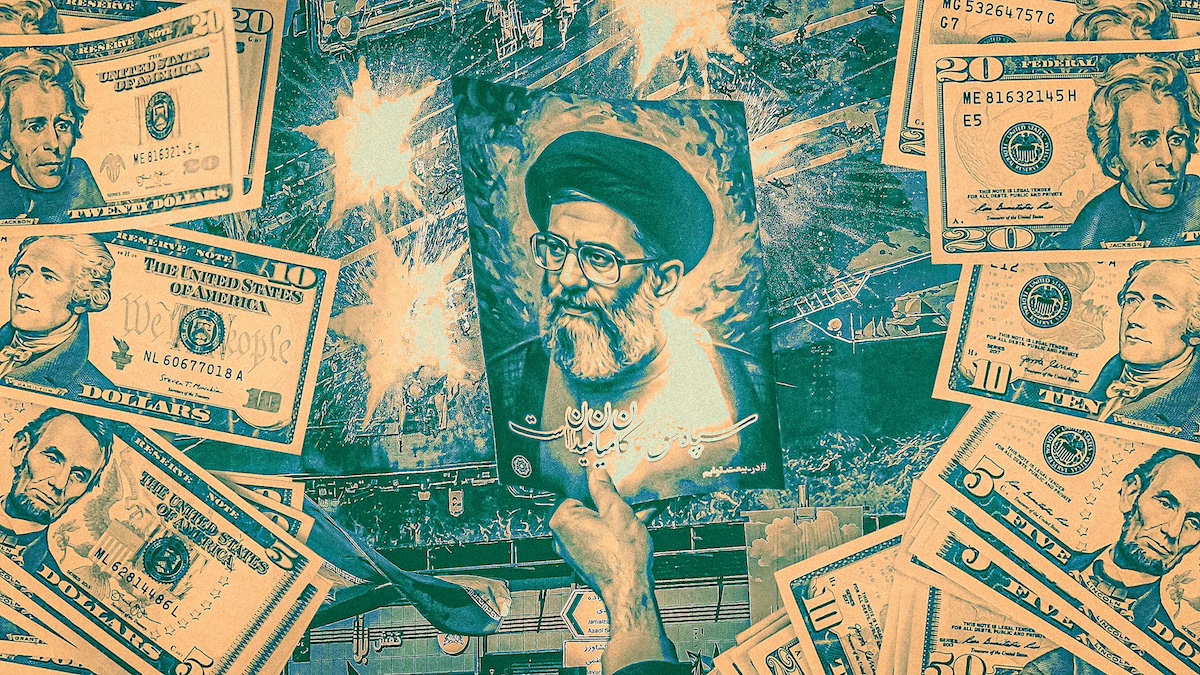
TOKYO – The escalating geopolitical tensions between the United States and Iran under President Donald Trump’s administration have triggered profound economic repercussions that extend far beyond immediate conflict zones. Regardless of whether diplomatic resolutions emerge swiftly, analysts confirm that substantial damage to global economic confidence has already been cemented.
The current administration has dramatically shifted the Overton window of acceptable geopolitical shocks, introducing unprecedented uncertainty into international markets. Financial institutions worldwide now grapple with incorporating potential “Black Swan” events that might originate from presidential social media channels into their risk assessments.
This paradigm shift compounds existing economic disruptions stemming from Trump’s aggressive tariff policies and immigration reforms. According to former Federal Reserve Bank of San Francisco economist Tim Mahedy, “This administration represents a sequence of supply shocks—the Iran conflict layers upon two other significant disruptions through tariffs and immigration policy.”
The potential protracted nature of the Iran confrontation poses particular threats to business confidence. Nationwide Financial economist Kathy Bostjancic warns that prolonged uncertainty could significantly reduce corporate investment and household spending, creating a tangible drag on economic growth.
Simultaneously, the administration’s confrontational approach toward Federal Reserve independence has raised alarms within financial circles. Attempts to remove Chair Jerome Powell, replace Governor Lisa Cook, and install political loyalists to the Fed board suggest a deliberate effort to politicize monetary policy institutions.
Perhaps most significantly, Trump’s combination of massive fiscal expansion—pushing national debt beyond $38 trillion—and unconventional monetary policy proposals has triggered concerns about the dollar’s long-term status as the global reserve currency. Despite Moody’s recent downgrade of U.S. credit ratings, the dollar maintains its dominant position, though analysts note increasing nervousness among foreign holders of U.S. debt, particularly China and Japan, which collectively hold approximately $1.9 trillion in Treasury securities.
UBS economist Paul Donovan observes that while outright dumping of dollar holdings remains unlikely, “reduced future appetite for U.S. Treasuries among international investors is gaining market attention.”
The administration’s pursuit of a weaker dollar through potential “Mar-a-Lago Accord” style agreements reflects a misunderstanding of contemporary global economic dynamics, particularly the rising influence of BRICS nations and oil-rich Gulf states.
Meanwhile, China perceives strategic opportunity in U.S. geopolitical isolation and fiscal uncertainty. Despite the yuan comprising only 2% of global foreign exchange reserves compared to the dollar’s 57%, Trump’s alienation of traditional allies and unconventional economic policies have created openings for Chinese currency internationalization efforts.
Enodo Economics Chief Economist Diana Choyleva emphasizes that conventional analytical approaches separating economics, geopolitics, and military risk have become dangerously inadequate. “The Iran conflict is altering strategic balances between the U.S. and China, strengthening Iran-China-Russia alignment, and forcing nations from Saudi Arabia to Taiwan to reconsider positions,” she notes. “These structural shifts will ultimately matter more than immediate oil price spikes.”