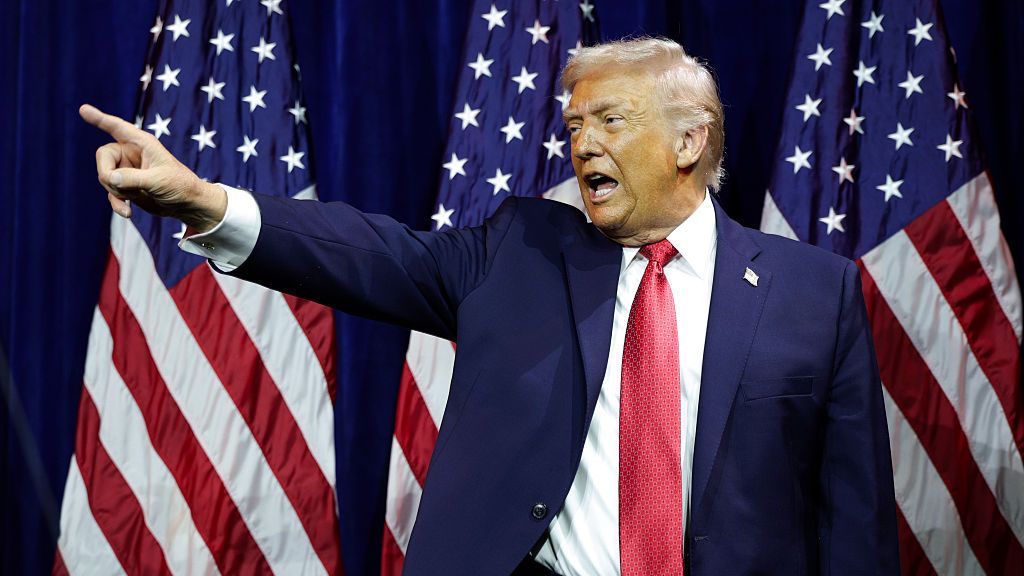
The Trump administration has executed a sweeping disengagement from global governance structures by formally withdrawing the United States from 66 international organizations. This strategic repositioning, enacted through a presidential memorandum signed Wednesday, represents one of the most comprehensive shifts in American foreign policy in recent decades.
Nearly half of the affected entities operate under the United Nations framework, including the foundational UN Framework Convention on Climate Change that serves as the architectural basis for worldwide climate cooperation. The withdrawal extends to the UN’s Intergovernmental Panel on Climate Change (IPCC), the premier scientific body assessing global climate science, alongside organizations addressing peacekeeping, democratic governance, family planning, and conflict-related sexual violence.
The White House justified these withdrawals as necessary to terminate American taxpayer funding to entities that allegedly advance “globalist agendas” at the expense of U.S. priorities. An official statement characterized many of these organizations as promoting “radical climate policies, global governance and ideological programs” that conflict with American sovereignty and economic interests.
This action follows President Trump’s consistent pattern of challenging multilateral institutions and established scientific consensus. The administration had previously withdrawn from the Paris Climate Agreement and declined participation in the COP30 climate summit in Brazil. Legal scholars note that while the Constitution outlines procedures for treaty ratification, it remains silent on withdrawal mechanisms, potentially setting the stage for constitutional challenges.
Reaction from the scientific community has been sharply critical. Rachel Cleetus, senior policy director at the Union of Concerned Scientists, described the move as emblematic of an “authoritarian” and “anti-science” administration deliberately undermining global cooperation. This systematic disengagement from international frameworks signals a fundamental reorientation of America’s role in global governance structures.