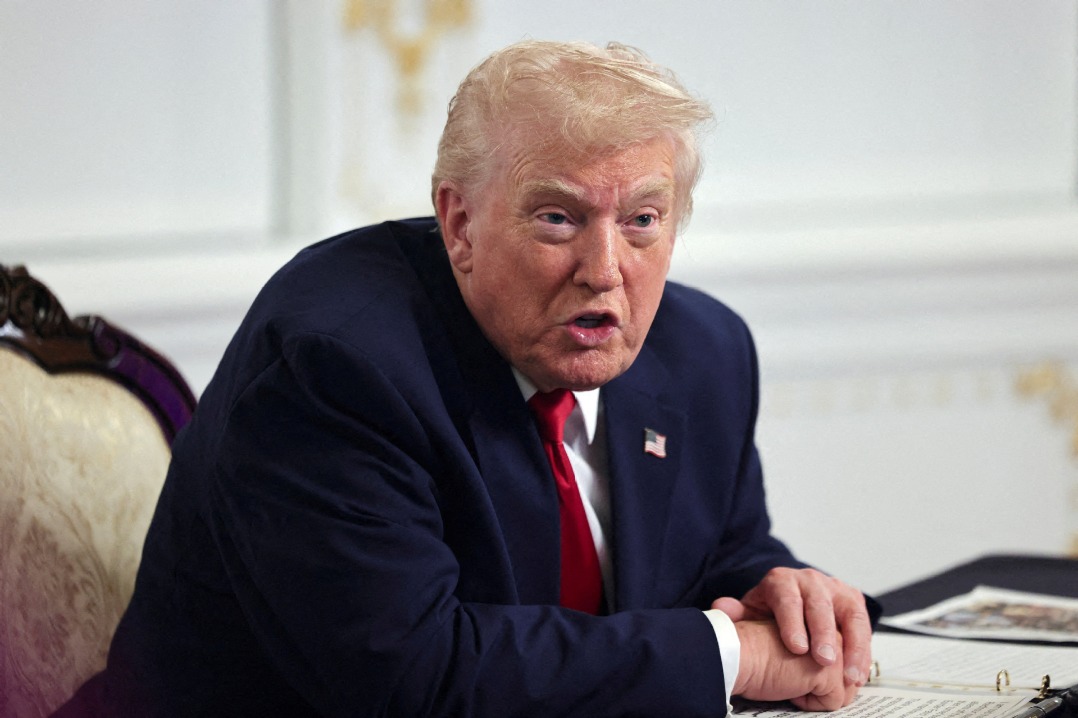
The White House is evaluating potential military options against Venezuela following President Nicolás Maduro’s refusal to comply with a U.S. ultimatum demanding his resignation. President Donald Trump convened with senior national security advisors Monday evening to deliberate next steps, including the possibility of ground operations.
According to multiple media reports, Trump issued a direct deadline during a November 21st phone conversation, requiring Maduro to relinquish power and depart the oil-rich nation with his family by last Friday. The Venezuelan leader reportedly rejected these demands, instead requesting comprehensive global amnesty for himself and associates, alongside maintained control of military forces.
Trump confirmed the unprecedented diplomatic exchange occurred, offering limited commentary: “I wouldn’t say it went well or badly, it was a phone call.” The Miami Herald reported Trump delivered a “blunt message” emphasizing immediate resignation as Maduro’s sole pathway to safety for himself and his inner circle.
This diplomatic confrontation unfolds alongside significant U.S. military mobilization in the Caribbean region. Approximately 15,000 troops and a dozen warships have deployed to waters bordering Venezuela—the largest such buildup in over three decades. Since September, U.S. forces have conducted at least 21 documented strikes against vessels suspected of narcotics trafficking, resulting in numerous casualties.
Defense Secretary Pete Hegseth has defended these operations as “lawful,” despite allegations regarding excessive force, including a September incident where military personnel reportedly received orders to “kill everyone” aboard a targeted vessel.
While Trump hinted during Thanksgiving addresses that land-based anti-trafficking operations could commence “very soon,” analysts remain skeptical about actual invasion prospects. Michael O’Hanlon of the Brookings Institution noted presidential temptation toward regime change in nearby nations but expressed doubt regarding genuine invasion intentions. Saint Anselm College professor Christopher Galdieri highlighted the administration’s failure to build public consensus for intervention, contrasting it with the extensive campaigning preceding the 2003 Iraq invasion. Galdieri further questioned the credibility of using narcotics enforcement as primary justification, noting the contradiction with Trump’s previous non-interventionist foreign policy rhetoric.