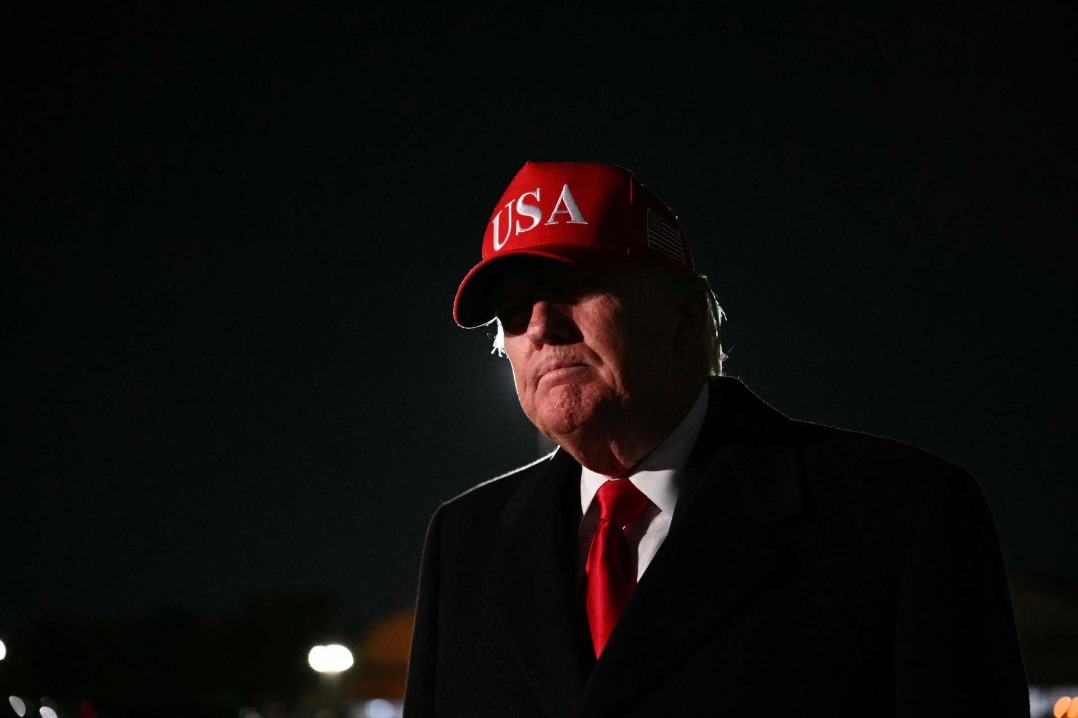
Fresh off the breakdown of high-stakes peace negotiations with Iran in Pakistan, former US President Donald Trump is actively evaluating a slate of coercive responses, including limited military strikes and a tightened maritime blockade of the Strait of Hormuz, to break the diplomatic stalemate, The Wall Street Journal reported on Sunday.
Citing unnamed senior officials and individuals briefed on internal administration deliberations, the outlet confirmed that limited targeted strikes were among the active options under Trump’s consideration as of Sunday, just hours after the Pakistan-based talks between the two nations collapsed with no agreement reached.
According to the sources, a large-scale, full bombing campaign is being ruled out as a lower-probability option. Two core factors are driving this hesitation: widespread regional concerns that a major offensive would trigger widespread instability across the Middle East, and Trump’s long-stated public and private aversion to entering open-ended, prolonged military conflicts that would draw the US deeper into the region.
Beyond military strikes, the report added that another option on the table is implementing a temporary maritime blockade of the Strait of Hormuz, a critical global chokepoint for oil and maritime trade, while the administration pressures US regional allies to take on long-term responsibility for running permanent military escort missions through the strait going forward.
Earlier on the same day, Trump publicly announced that the US Navy would begin blocking commercial and military traffic moving into or out of Iran through the Strait of Hormuz. This announcement was followed by a formal statement from US Central Command on Sunday, confirming that American forces would begin full implementation of the blockade, covering “all maritime traffic entering and exiting Iranian ports,” starting at 10 am Eastern Time on Monday.
The collapse of the Pakistan-hosted talks marks a major escalation in tensions between the US and Iran, ending a brief window of diplomatic progress that had raised hopes of de-escalation in the long-running standoff between the two nations.