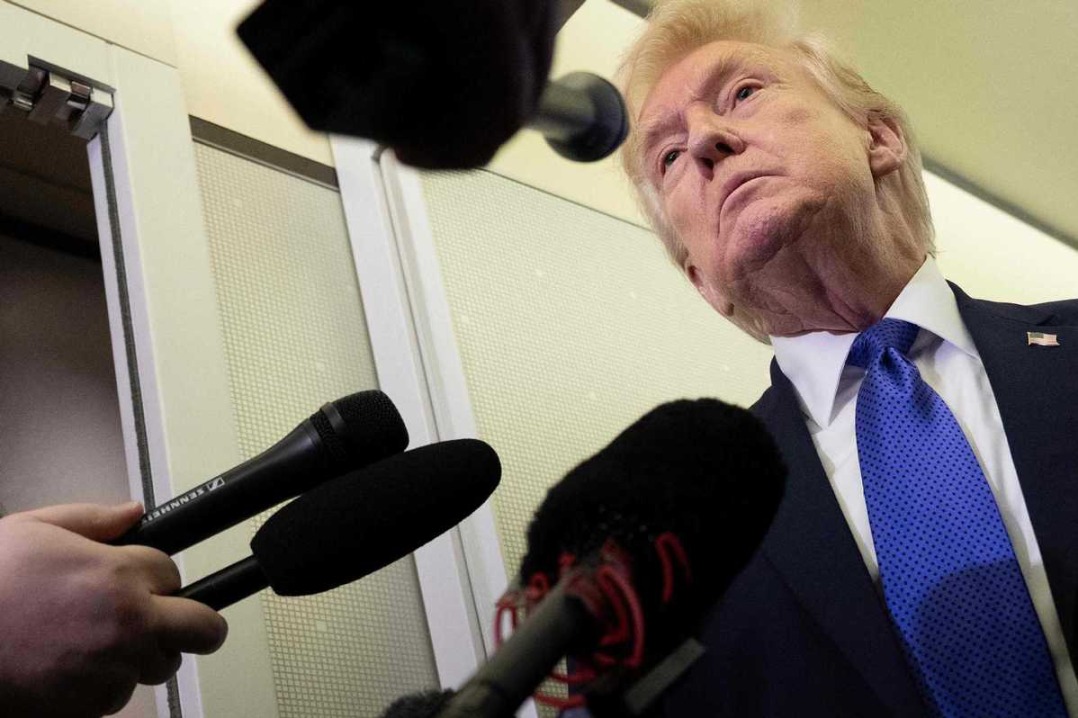
A significant political confrontation is unfolding in Washington as President Donald Trump’s administration faces mounting pressure from both sides of the political aisle regarding the handling of the Jeffrey Epstein investigation documents. While the President has publicly stated that “it’s really time for the country to maybe get onto something else,” legislative bodies and victims’ advocates are demanding greater transparency and accountability.
The Justice Department, under the direction of Deputy Attorney General Todd Blanche, maintains that it has completed its document review in compliance with congressional mandates, releasing millions of pages of evidence including correspondence, emails, and photographs. Blanche asserted that the available materials “don’t allow us necessarily to prosecute somebody” and indicated no grounds for new prosecutions.
Despite these assurances, Senate Minority Leader Chuck Schumer has challenged the administration’s compliance with legal requirements, questioning whether all documents referencing political figures, including Trump himself, have been properly disclosed. Schumer’s request for legal action against the administration was recently blocked by the GOP-led Senate.
Parallel investigations continue in the House of Representatives, with former President Bill Clinton and former Secretary of State Hillary Clinton scheduled to testify under threat of contempt charges. Bill Clinton, while acknowledging past acquaintance with Epstein, has denied any knowledge of his criminal activities and claims to have severed ties two decades ago.
Victim advocacy groups remain dissatisfied with the process. Lisa Phillips, a survivor of Epstein’s trafficking network, articulated three primary concerns: incomplete document disclosure, missed deadlines, and the inappropriate release of victims’ identities. “We feel they’re playing some games with us, but we’re not going to stop fighting,” Phillips told the BBC.
Political analysts suggest the controversy will persist regardless of administrative efforts to close the case. Darrell West of the Brookings Institution noted, “Americans are not ready to move on from the Epstein story because there remain unanswered questions regarding culpability for bad behavior.” University of Maryland researcher Clay Ramsay predicted cyclical public attention would maintain the story’s relevance indefinitely.
The political implications may extend to the upcoming midterm elections, with Democrats promising subpoenas for Trump and other Republicans should they gain control of the House.