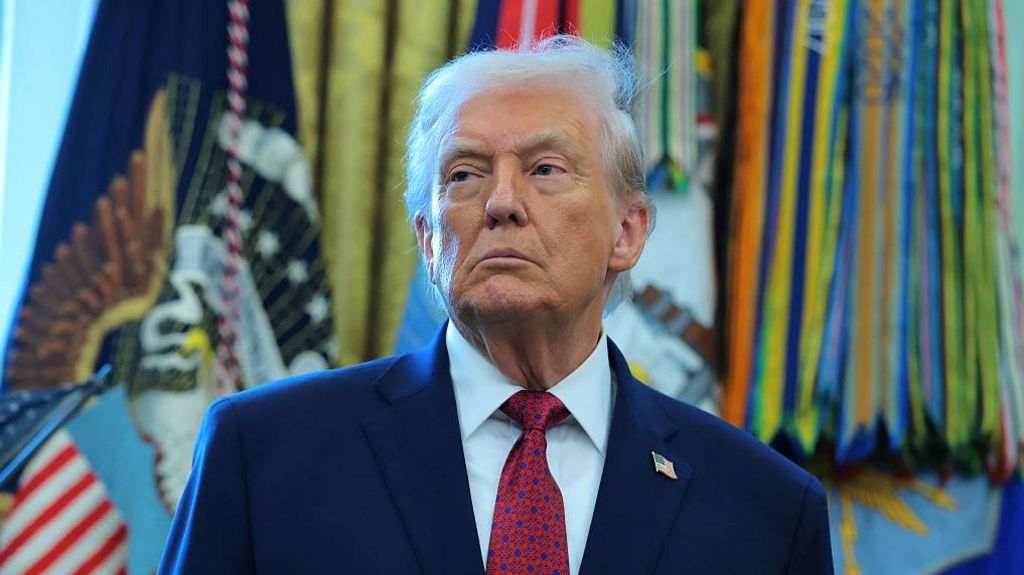
In a significant political maneuver, former President Donald Trump has executed his first legislative vetoes since reassuming office nearly one year ago, creating a potential constitutional confrontation with Congress. The two rejected bills had previously garnered substantial bipartisan support in both chambers, indicating possible veto-override votes when lawmakers reconvene.
The first veto targeted the Colorado Water Infrastructure Act, sponsored by Republican Representative Lauren Boebert. This legislation sought to reduce financial burdens on Colorado communities funding a critical water pipeline project. Despite Boebert’s general alignment with Trump’s agenda, the former president declared the measure “economically unviable” in his official communication to Congress. “Enough is enough,” Trump stated. “My Administration is committed to preventing American taxpayers from funding expensive and unreliable policies.”
The second veto struck down the Miccosukee Reserved Area Act, which would have authorized federal assistance for flood mitigation infrastructure benefiting a Native American tribe in Florida. The Trump administration justified this rejection by citing alleged “unauthorized” development activities by the tribe and accusing them of obstructing immigration policies.
Boebert, who recently diverged from Trump by advocating for the release of Epstein-related documents, responded defiantly on social media: “This isn’t over.” She further expressed concern that the veto might represent “political retaliation” for her independent stance.
The Colorado situation intersects with another contentious issue: the imprisonment of Tina Peters, a former county clerk convicted of election security offenses who promoted false claims about the 2020 election. Trump recently pardoned Peters of federal charges and has demanded that Colorado’s Democratic Governor Jared Polis release her from state custody, escalating tensions with Colorado’s leadership.
The Miccosukee tribe had previously sued the Trump administration to halt construction of an immigration detention facility nicknamed “Alligator Alcatraz” in the Florida Everglades, arguing both environmental concerns and unique cultural impacts. The White House’s veto message explicitly connected the flooding bill rejection to this legal opposition.
These vetoes represent Trump’s first use of this executive power since returning to office and set the stage for potential veto override votes in the new congressional session.