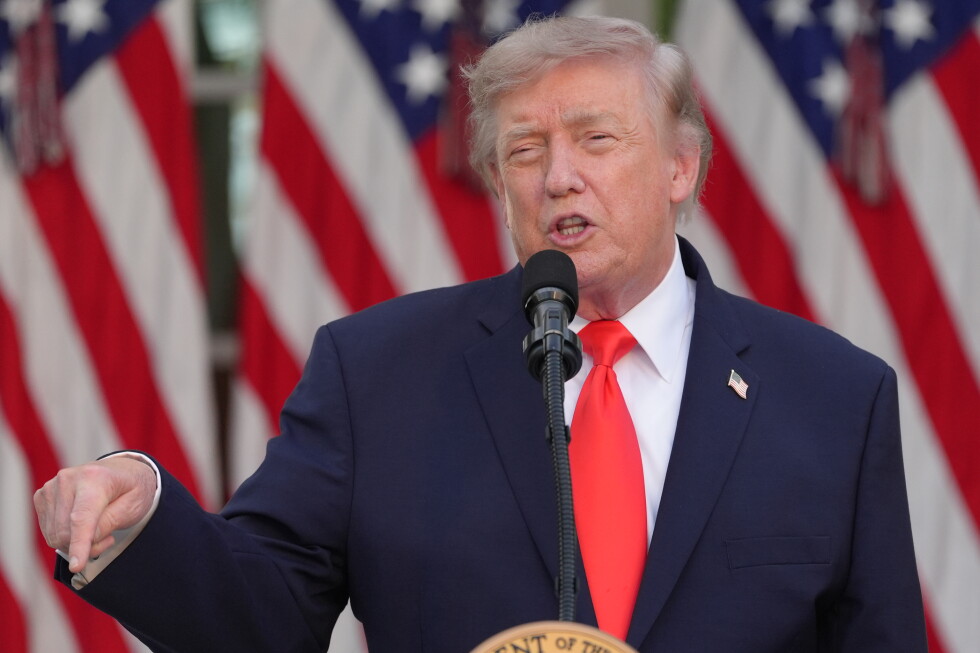
The simmering transatlantic trade dispute over digital service taxes erupted into a new standoff Friday, as former U.S. President Donald Trump issued an ultimatum threatening steep 100% import tariffs on any nation moving forward with levies targeting American digital firms.
In a public social media post, Trump specifically called out European countries that he claims are preparing to imminently roll out new digital tax regimes. For years, the U.S. leader has leveraged tariff threats to discourage such policies, as a growing number of governments across the globe seek new tax revenues from the digital economy — a sector overwhelmingly dominated by large U.S. tech corporations.
“Please let this statement serve to represent that any Country that imposes such a Tax will immediately be met with a 100% TARIFF on any and all Goods sent to the United States of America,” Trump wrote in the post. He added that the proposed tariffs would override all previously negotiated bilateral and multilateral trade agreements. While the threat applies to all countries pursuing digital taxes, Trump’s post centered European nations as the primary target.
Policy analysts warn the aggressive move could escalate into a full-scale transatlantic trade war. If the 27-nation European Union chooses to retaliate against the tariffs, the resulting trade disruption would push up consumer prices, slow global economic growth, and unravel years of incremental trade progress between the two blocs.
The European Commission swiftly pushed back against Trump’s threat Friday. “Unilateral measures targeting such legitimate policies are unjustified. If pursued, the EU will respond swiftly and decisively to defend its rights and regulatory autonomy,” said commission spokesperson Olof Gill. Gill emphasized that the EU’s digital tax framework is non-discriminatory, applying equally to all large tech firms regardless of their country of origin.
This is not the first time Trump has threatened tariffs over digital taxation. Last August, he issued a similar warning, arguing that foreign digital tax and regulatory policies “are all designed to harm, or discriminate against, American Technology.”
The latest tariff threat comes ahead of a July 4 deadline for the implementation of a U.S.-EU tariff deal reached earlier this year. The agreement, first negotiated tentatively by European Commission chief Ursula von der Leyen during a 2024 visit to Trump’s Scottish golf resort, caps most tariffs on EU exports to the U.S. at 15% after months of fractious internal debate within the bloc. Notably, digital service taxes were excluded from the deal, leaving the issue as the most intractable sticking point in U.S.-EU trade relations.
The U.S. government has already opened Section 301 trade investigations into foreign digital service taxes under the 1974 Trade Act, but it remains unclear whether Trump will follow through on his latest threat, or how the tariffs would be structured if implemented. It is also unknown whether the administration would roll out broad tariffs immediately or target specific countries initially.
Outside the EU, the United Kingdom — which left the bloc in 2020 — has already enforced a 2% digital services tax since that year, applied to revenues earned by search engines, social media platforms, and online marketplaces that derive value from UK-based users. UK policymakers justified the tax by arguing that long-standing corporate tax rules for digital businesses have created a mismatch between where profits are taxed and where economic value is actually generated. The tax includes revenue thresholds that mean it applies almost exclusively to large multinational corporations, with the stated goal of ensuring big global tech firms pay a fair share to support UK public services.