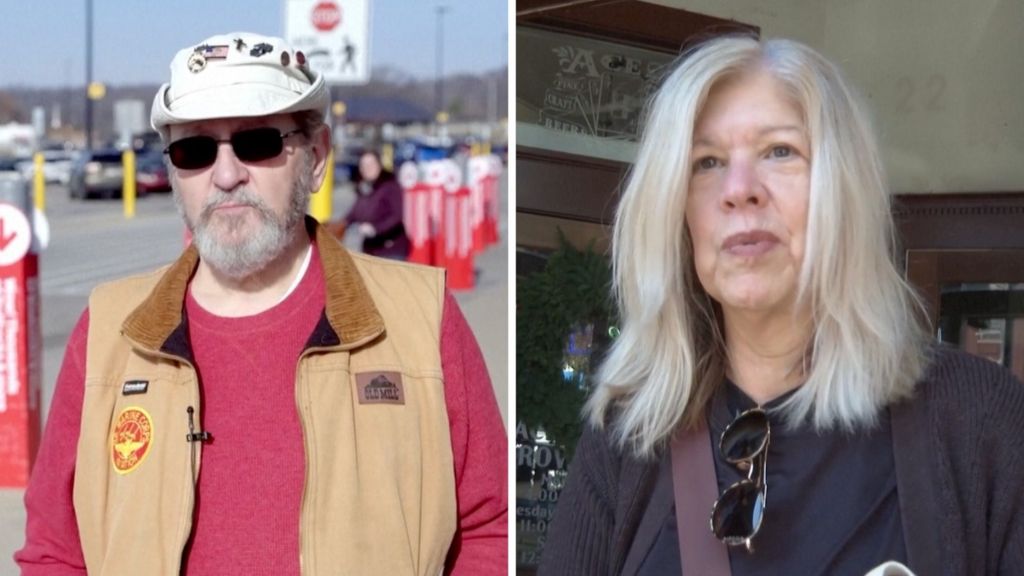
A complex tapestry of reactions has emerged from former President Donald Trump’s support base following the recent U.S. military operation that resulted in the seizure of Venezuelan leader Nicolás Maduro. The dramatic development has exposed significant divisions within the political movement, highlighting contrasting perspectives on American interventionism.
Initial responses from Trump loyalists revealed enthusiastic approval from certain quarters, with many celebrating the operation as a decisive blow against a controversial socialist leader long criticized by Washington. These supporters framed the action as a demonstration of American strength and a continuation of Trump’s hardline approach toward leftist regimes in Latin America.
However, a substantial contingent within the Trump coalition expressed reservations about the long-term implications and potential consequences of such direct military involvement. These cautious voices raised questions about the operation’s timing, legal justification, and possible geopolitical fallout, reflecting a more non-interventionist streak that has gained traction within certain conservative circles.
The divergent reactions underscore the ongoing ideological evolution within Trump’s political base, which has historically balanced nationalist rhetoric with varying attitudes toward foreign military engagements. This internal debate occurs against the backdrop of escalating tensions between Washington and Caracas, with Venezuela remaining a persistent foreign policy challenge through multiple U.S. administrations.
Analysts suggest the mixed response illustrates the complex foreign policy expectations among Trump’s supporters, who simultaneously demand assertive American leadership while remaining wary of extended foreign entanglements. The operation and its aftermath are likely to fuel continued discussion about the proper scope of U.S. military action in pursuing international objectives.