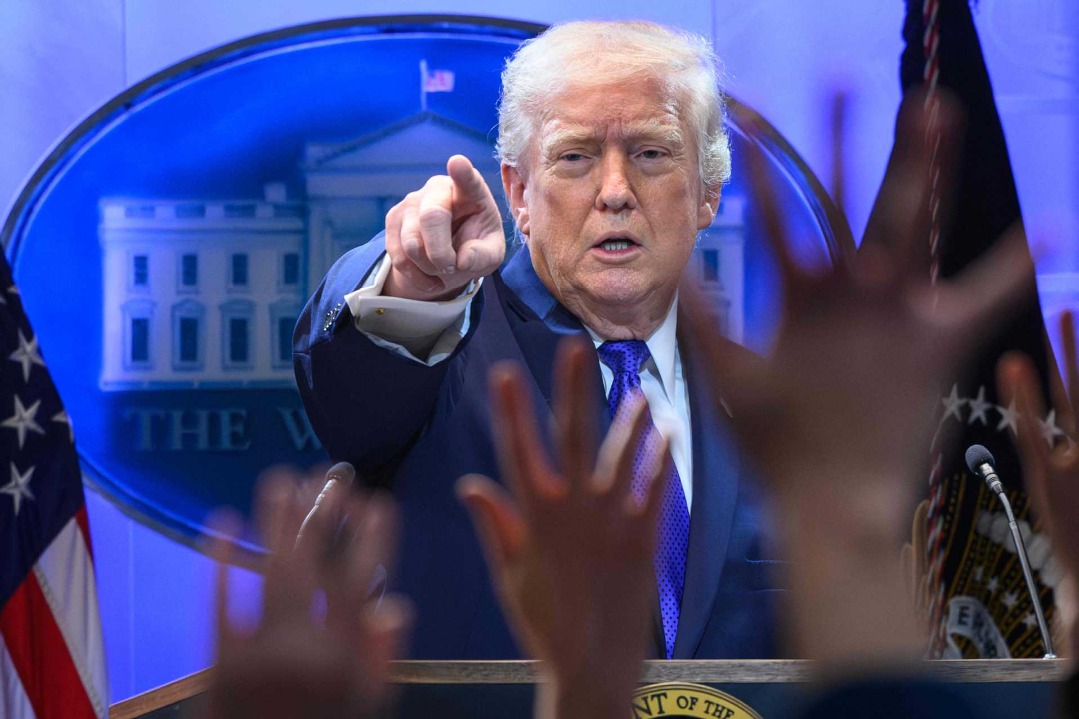
In a landmark economic policy shift, former President Donald Trump has enacted a comprehensive 10% tariff on imports from all trading partners worldwide. The sweeping measure, signed on February 21, 2026, represents one of the most extensive trade policy interventions in modern economic history, effectively applying uniform import duties across all nations without exemptions.
The policy departure marks a significant escalation from previous targeted tariff approaches, establishing a blanket import tax that economists predict will trigger substantial adjustments in global supply chains and international trade relations. The uniform nature of the tariff structure eliminates country-specific trade preferences that have characterized international commerce for decades.
Trade analysts anticipate immediate repercussions across multiple sectors, with consumer goods, automotive imports, and electronics expected to experience price increases. Manufacturing industries reliant on imported components face potential cost pressures, while domestic producers may benefit from reduced foreign competition.
The implementation coincides with ongoing diplomatic engagements, as evidenced by recent high-level discussions between Chinese Foreign Ministry officials and European counterparts emphasizing cooperation. These parallel developments highlight the complex interplay between trade policy and international diplomacy in the current global landscape.
Market observers are monitoring potential retaliatory measures from major trading partners, which could initiate a new phase of trade adjustments affecting trillions of dollars in global commerce. The policy’s long-term implications for inflation, economic growth, and international relations remain subjects of intense speculation among policymakers and economists worldwide.