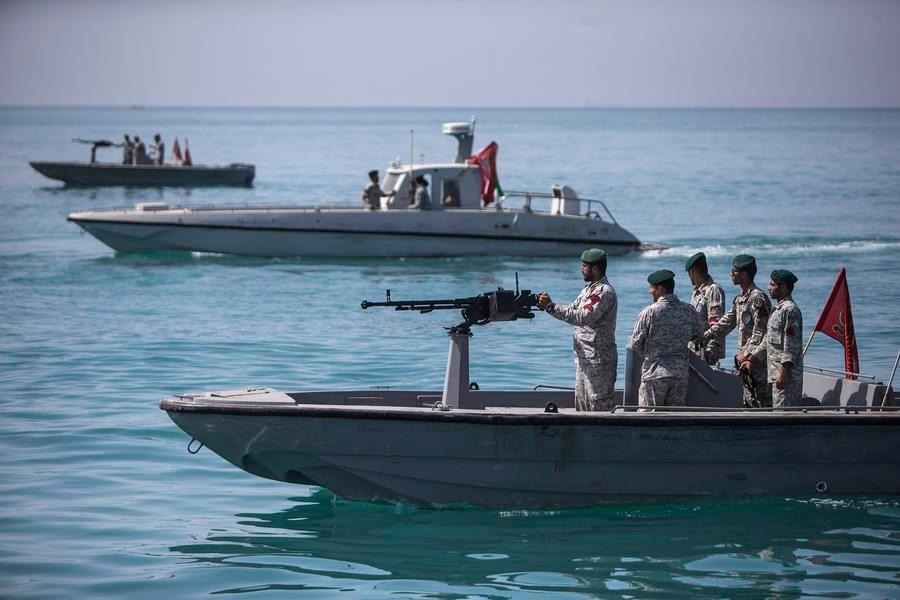
In a significant escalation of tensions in the Persian Gulf, former US President Donald Trump declared through social media platforms that multiple nations are preparing to deploy naval forces to ensure the Strait of Hormuz remains accessible for international shipping. The strategic waterway, through which approximately 20% of globally consumed oil passes, has become the focal point of renewed geopolitical tensions.
Trump’s statement on Truth Social indicated that affected nations would collaborate with United States naval assets to maintain open passage through the vital shipping lane. The former president employed characteristically forceful language, vowing aggressive military action including coastal bombardment and the destruction of Iranian vessels attempting to interfere with maritime traffic.
The announcement follows Trump’s previous remarks to journalists regarding imminent US Navy escorts for commercial tankers transiting the strait. This development occurs alongside provocative statements from Iran’s new Supreme Leader, Mojtaba Khamenei, who has advocated for maintaining the waterway’s closure while promising expanded confrontation against American and Israeli interests.
Diplomatic tensions further intensified through statements from Iran’s United Nations representative, Amir Saeid Iravani, who attributed regional instability directly to American aggression and security undermining actions. The exchange represents the latest chapter in the long-standing adversarial relationship between Tehran and Washington, with global energy markets closely monitoring developments that could significantly impact oil transportation and pricing worldwide.